Online Radio Mistakes: 8 Common Errors New Stations Make and How to Fix Them
You picked a name, set up your stream and pressed play for the first time. It felt like the hard part was over. A few weeks later, though, the listener count is barely moving, the same three songs keep coming back and the station goes silent every time you step away from the computer. If that sounds familiar, you’re not alone: these are some of the most common online radio mistakes, and almost every new station makes at least one of them.
The good news is that most of these problems don’t come from technology. They come from small decisions made in the first weeks, before and right after launch, and every one of them can be fixed. Once you know what to look for, you can catch them early instead of wondering why your station isn’t growing.
In this guide, we walk through eight mistakes in the order they usually happen: before you go live, on launch day and after launch. For each one, you’ll see why it happens and how to fix it, with links to our detailed guides when you want to go deeper. At the end, you’ll find a quick checklist you can keep next to your setup.
Mistakes Before You Go Live
Most of what decides whether a station grows happens before the first song plays. This is the stage where you choose what your station is, what it’s allowed to play and how it will sound, and it’s also the stage where new broadcasters tend to rush.
1. Launching Without a Clear Format and Audience
Many stations start as “a little bit of everything”: some pop, some talk, a weekend show about football and a playlist of personal favorites. It feels generous, but listeners can’t tell what the station is for, so they have no reason to come back. A station for everyone usually ends up being a station for no one in particular.
The fix is to describe your station in one sentence before you launch: who it’s for, what they hear and when they listen. “Gospel and community news for Spanish-speaking families in our city” gives you a direction for every decision, from the music you add to the shows you schedule. That same sentence also shapes your name, your logo and your on-air voice. Our branding guide for online radio and our radio station name ideas help you turn that sentence into an identity listeners recognize.
2. Playing Music Before Sorting Out Licensing
It’s tempting to upload your music library and start streaming right away. The problem is that broadcasting music on the internet is a public performance, and in most countries that requires permission from the people who own the songs. Skipping this step can put your station at risk later, just when it starts to grow.
The rules depend on your country and on what you play, so there is no single answer that fits every station. What you can do before launch is find out which organizations manage music rights where you broadcast, check what they require for internet radio and keep a record of your music sources. Original content, music from independent artists who give you permission and talk shows all reduce the risk. Our guides to the internet radio blanket license and music licensing for internet radio explain how it works in more detail.
3. Skipping the Sound Basics
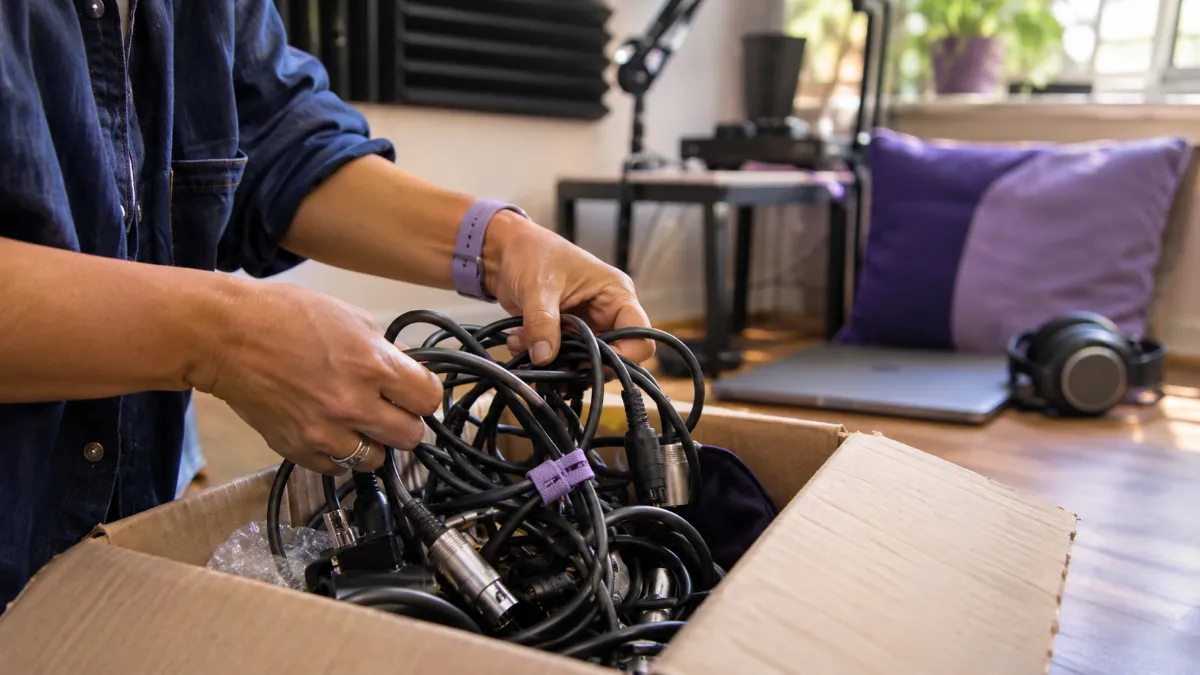
The third mistake is about sound. New broadcasters often focus on software and forget the room they broadcast from. A laptop microphone in an empty room with bare walls sounds distant and echoey, and a Wi-Fi connection that drops for a second becomes a gap in the stream. Listeners may not know why the station sounds amateur, but they hear it.
You don’t need a professional studio to fix this. A decent microphone, closed-back headphones, a wired internet connection and a few soft surfaces in the room make a bigger difference than any upgrade in software. Choose a quiet space, add a rug, curtains or a heavy blanket to reduce echo and test your setup before the first live show. Our guide to online radio equipment by station type shows exactly what each kind of station needs and how the pieces connect.
Mistakes on Launch Day
Once the format is clear, the music is covered and the room sounds right, it’s time to go live. Launch day brings a different set of mistakes, and they’re mostly about what happens on air hour after hour, not just in the first show.

4. Going Live Without a Schedule
A station that plays whatever feels right that day is hard to follow. Listeners build habits around times: the morning show on the way to work, the request hour on Friday night, the Sunday service. Without a schedule, there’s nothing to come back to, and your hosts never know when they’re expected on air.
Start with a simple weekly grid. Mark the hours you can cover live, fill the rest with programmed music blocks and give each block a name and a mood. It doesn’t have to be full from day one; a few fixed shows at the same time every week are better than many random ones. As your team grows, you add shows to the grid instead of rebuilding it. Our guide to planning a 24/7 radio programming schedule walks you through it step by step.
5. Leaving Dead Air When Nobody Is Live
Dead air, the silence when nothing is playing, is one of the fastest ways to lose a listener. It usually happens when a station depends on someone being at the computer: the host finishes a show, closes the encoder and the stream simply stops. The next person who tunes in finds nothing and may not try again.
That’s why the gaps between live shows need a plan, too. On Zeno, AutoDJ plays your music and playlists when nobody is live, so the station keeps sounding like itself between shows. Build a few playlists that match your format, add your station IDs between songs and let automation cover the hours you can’t. Our guide to automating your radio station covers the main ways to do it.
6. Forgetting Metadata and Never Testing Like a Listener
The last launch-day mistake is easy to miss because it happens on the listener’s side. When song titles, artist names or the station description are missing, the player shows a blank or a file name like “track_final_02”. That looks careless, and it makes it harder for people to know what they’re hearing or to find your station again.
Before launch, check that your music files have clean titles and artist names and that your station has a clear description and logo. Then listen to your own stream the way a listener would: on a phone, on mobile data, away from your studio. That’s how you catch a volume that’s too low, a bitrate that’s too high for weak connections or a stream that keeps buffering. Our guides to fixing radio metadata, audio formats for internet radio and radio stream buffering help you fix each issue.
Mistakes After Launch
Getting on air is a milestone, but it’s only the start. The mistakes after launch are quieter, because nothing breaks. The station keeps playing, and the problem is simply that it doesn’t grow as fast as it could.

7. Waiting for Listeners to Find You
Many new broadcasters assume that once the station is live, people will discover it. In practice, there are countless stations online, and listeners rarely stumble onto a new one by chance. A station without a promotion plan can sound great and still have an empty room.
Think of promotion as part of the programming. Tell the people closest to your format first: your congregation, your school, your neighborhood, the community you serve. Share a link to the station wherever your audience already spends time, invite guests who will tell their own followers and remind listeners of upcoming shows. Our guides to getting your first 1,000 radio listeners, building a social media plan for your station and using WhatsApp for radio stations give you concrete next steps.
8. Ignoring Your Stats and Trying to Monetize Too Early
The final mistake is flying blind. Some broadcasters never look at their listener numbers, so they can’t tell which shows work, what time people tune in or where they’re listening from. Others rush in the opposite direction and try to sell ads in the first month, before there’s an audience worth showing to a sponsor.
Look at your stats regularly, even when the numbers are small. They tell you which shows deserve a better time slot, which hours need stronger programming and which cities or countries are listening. Once you see a steady audience, that same data becomes the base for talking to sponsors. Our guides to reading your listener stats and getting sponsors for your radio station show you how to move from one stage to the next.
Quick Checklist to Avoid Online Radio Mistakes
Now that you’ve seen each mistake in detail, here is a quick checklist you can review before launch and again a few weeks after:
| Mistake | Quick fix |
|---|---|
| No clear format | Describe your station in one sentence: who it’s for, what they hear, when they listen |
| Music without licensing | Find out who manages music rights in your country and what they require |
| Weak sound | Decent mic, closed-back headphones, wired connection and a treated room |
| No schedule | Start with a few fixed shows at the same time every week |
| Dead air | Let AutoDJ and your playlists cover the hours nobody is live |
| Missing metadata | Clean titles and artist names, then test your stream on a phone |
| No promotion | Start with your closest community and share your link where they already are |
| Ignoring stats | Check your numbers regularly and talk to sponsors once your audience is steady |
FAQ
What is the most common mistake when starting an online radio station?
Launching without a clear format. When a station tries to play everything for everyone, listeners can’t tell what it’s for, and every later decision becomes harder.
Do I need a license to start an online radio station?
If you play music you don’t own, you usually need permission from the organizations that manage music rights in your country. The rules vary, so check them before you launch.
How long does it take to build an audience?
It depends on your format, your promotion and how consistent your schedule is. Stations that keep fixed shows and promote them steadily usually see their audience grow faster than those that wait to be discovered.
Can I change my format after launch?
Yes. Many stations adjust their format once they see who is listening. Make the change on purpose, tell your listeners and update your schedule, name and description so everything matches.
Start Small, Fix Early
None of these online radio mistakes are permanent. A clear format, sorted licensing, decent sound, a simple schedule, no dead air, clean metadata, steady promotion and a regular look at your stats will put your station ahead of most new broadcasters. You don’t have to fix everything at once: pick the mistake that affects your station the most, fix it this week and move on to the next.
When you’re ready to launch or relaunch, create your station on Zeno. And if you’re still at the very beginning, our guide to starting an online radio station walks you through every step.
November 4, 2026