Make Your Station Shine: A Branding Guide for Online Radio
Branding is not just about placing a nice logo as your profile picture. It’s the total identity of your station: how you look, how you describe yourself, how you sound, and how you make your audience feel. Good branding communicates professionalism, trust, and originality. It’s what makes a station stand out among hundreds in a directory like Zeno.FM.
Introduction: Why Branding Matters for Online Radio
In a world saturated with content and thousands of online radio stations available with just one click, capturing a listener’s attention is more challenging than ever. This branding guide for online radio is designed specifically for online radio station owners and creators who want to stand out in a crowded digital landscape. We’ll cover the essential aspects of branding—name, logo, color palette, typography, slogan, images, and more—so you can build a memorable and professional identity for your station. Branding matters for online radio because it’s the first impression you make, the foundation for trust, and the key to attracting and retaining listeners.
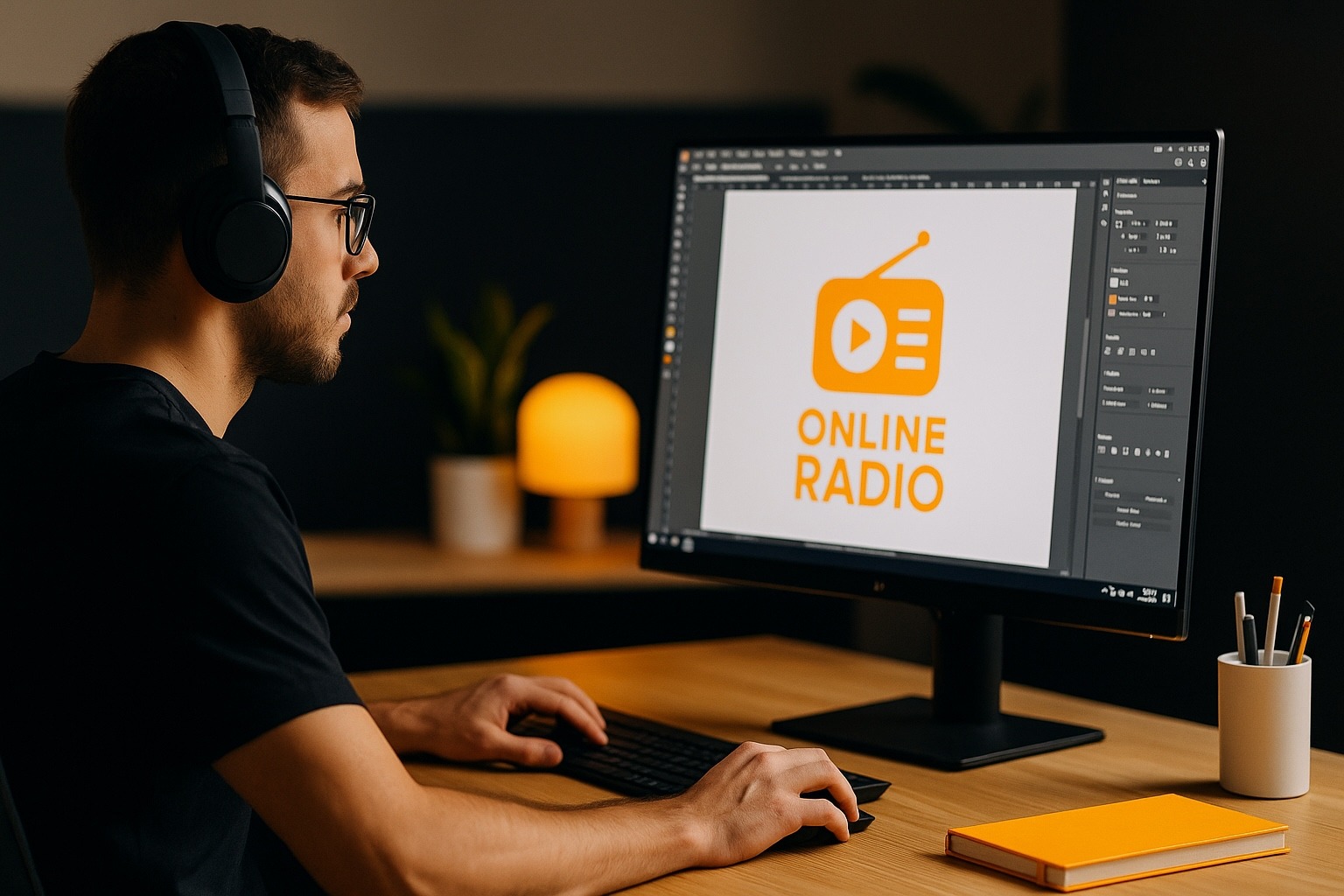
When you scroll through a list of stations, which one do you click? Probably the one with an eye-catching image, an original name, and a clear description. Visual identity is the first filter. Once you get someone to listen, content is what makes them stay. But without branding, you may not even get that first listen.
Below, we’ll walk you through the core elements of a strong branding strategy for online radio, with actionable tips and tools for each step.
Branding Elements Checklist
Before diving into the details, here’s a quick checklist of the key branding elements every online radio station should consider:
- Name and Identity
- Professional Logo
- Color Palette
- Typography and Visual Style
- Slogan
- Images and Graphic Style
Branding Strategy for Online Radio
A branding strategy for online radio requires a blend of broadcasting and digital tactics. Your station’s brand is more than just visuals—it’s the sum of your content, your interaction with listeners, and your presence across platforms. Let’s break down each element.
Name and Identity
Defining a clear niche is essential for an online radio platform’s branding. Your station’s name should be memorable, original, and aligned with your target audience, your style, and the type of content you broadcast. Avoid generic or overly long names.
Brainstorming a Name
If you don’t know where to start, you can use AI tools like ChatGPT, Gemini (Google), or NameSnack, which help generate creative ideas based on keywords, styles, and themes. Or keep it classic—gather your team (or your best ideas) for a good brainstorming session and let the creativity flow.
Checking Name Availability
Be sure to search on the web to confirm your name isn’t already in use. This not only avoids confusion but also improves your visibility in search engines.
Once you have a name, the next step is to create a visual identity with a professional logo.
Professional Logo
Your logo is your business card. Using a unique logo helps establish a professional brand image. You don’t need to be a graphic designer to have a great logo, but it should support brand recognition and be easy to remember. It should also visually reinforce your station’s brand identity across platforms.
DIY Logo Creation
You can create your logo using accessible tools like Canva, Looka, or Hatchful by Shopify.
Hiring a Professional
If you prefer something more custom and professional, consider hiring a freelancer on platforms like Fiverr or 99designs, or even working with a design agency to help you build a strong brand from scratch.
With your logo in place, it’s time to choose a color palette that reflects your station’s personality.
Color Palette
Colors communicate emotions. Define a palette that matches your content style. For example, bright colors for youth-focused stations or muted tones for news and information.
Choosing Your Colors
Use tools like Coolors.co, Adobe Color, or Color Hunt to explore and define effective color combinations that you can apply across your social media, website, and graphics.
A consistent color palette sets the stage for your station’s overall visual style, including typography.
Typography and Visual Style
Visual consistency also depends on the fonts you use. Your visual style should also match your station’s audio personality, since radio is an audio-first medium and sound itself is a brand asset. An audio-first medium prioritizes sound as a brand asset. Choose fonts that are legible and full of personality.
Finding the Right Fonts
You can explore free libraries like Google Fonts, Adobe Fonts, or resources like DaFont to find unique typefaces. The key is to choose a style and stick to it across all your visual materials.
Once your visual style is set, reinforce your brand with a memorable slogan.
Slogan That Reflects Your Essence
A good slogan reinforces your message and makes your brand more memorable. It doesn’t have to be long or complex, but it should help listeners quickly understand your station’s music or content focus.
Crafting Your Slogan
Use tools like Copy.ai or ChatGPT to come up with ideas. AI can help you craft phrases that reflect your content, tone, and values. Your slogan should also match your programming and make your format easy to recognize.
With your slogan in place, ensure your images and graphics are consistent with your brand identity.
Images and Graphic Style
Make sure the images you use on social media, your microsite, and other visual spaces follow a consistent aesthetic. Use filters, frames, or templates that align with your identity.
Transitioning from visuals, let’s talk about the importance of content and going live.
Content Consistency and Going Live
But don’t forget the content… and going live! The best branding won’t mean much if your content isn’t consistent and valuable. A branding strategy for online radio requires a blend of broadcasting and digital tactics, supported by a dedicated platform for interaction and streaming. Branding attracts, but content retains.
Live Content Benefits
Even better if the content is live: the real connection, freshness, and authenticity that comes from live broadcasting can’t be matched by just playing playlists. An online radio station uses streaming to reach a global audience with lower startup costs than FM/AM broadcasting. Cloud-based tools and full automation also help you manage your schedule while keeping full control of the station.
Building Community
Strong audience engagement builds community, and formats like live shows, talk shows, and regular giveaways help with listeners coming back while growing your listener base.
Analytics and Monitoring
Just as important, use listener data and keep monitoring analytics to refine branding decisions based on what keeps listeners tuning in. Analyzing listener data is crucial to refine branding strategies.
Monetization Options
Monetization matters too: an online radio station can earn through various methods, including:
- Automated Ad Insertion: Improves revenue by seamlessly integrating ads into your stream.
- Direct Ad Sales: Gives you more control over the ads played and potential revenue.
- Sponsorship Packages: Appeal to local or national brands for ongoing support.
- Memberships or Crowdfunding: Offer extra support and exclusive content to loyal listeners.
Ready to Broadcast Live?
Not sure how to start broadcasting live? We’ve got the perfect guide for you: 4 Powerful Radio Software to Broadcast Live Radio Online
Conclusion: Make Your Brand Unforgettable
In conclusion, great content may be the heart of your online radio station, but strong branding is the face that opens the door. In a competitive digital world, where listeners make split-second decisions based on visual appeal and first impressions, your station’s name, logo, colors, and tone matter more than ever.
Branding isn’t just decoration—it’s your identity, your voice before your voice is even heard. By taking the time to craft a cohesive and authentic brand, you not only increase your chances of being discovered but also build trust and connection with your audience. And once you’ve got their attention, consistent, engaging, and especially live content is what keeps them coming back. So, don’t stop at sounding good—look the part, feel the part, and broadcast like you mean it. Now’s the time to reflect on your station’s identity and give it the spotlight it deserves. Ready to build a brand your listeners will remember? Let’s make it happen.
Branding Elements Quick Reference Checklist:
- Name and Identity (define your niche)
- Professional Logo (unique and memorable)
- Color Palette (consistent and expressive)
- Typography and Visual Style (legible and on-brand)
- Slogan (memorable and descriptive)
- Images and Graphic Style (cohesive across platforms)
- Content Consistency (especially live content)
- Analytics and Monitoring (refine with listener data)
- Monetization Options (ads, sponsorships, memberships)
August 10, 2025