How to Start a Sertanejo Radio Station Online: A Practical Guide
Maybe you grew up with modão playing in the truck on the way to the farm, or with a dupla on the speaker at every Sunday churrasco. Maybe you now live in Goiânia, in a small town in the interior or in Massachusetts, thousands of miles from home, and you keep thinking the same thing: there should be a station that plays the sertanejo you actually love. Starting a sertanejo radio station online is how you turn that idea into something people can tune in to every day.
The challenge is that sertanejo is one of the most loved genres in Brazil, and that makes it crowded online. Dozens of web radios already promise “sertanejo 24 hours”. The stations that keep their listeners are not the ones with the biggest playlist. They are the ones with a clear identity: listeners know exactly what kind of sertanejo they will hear, when the live shows happen and who is on the other side of the microphone.
In this guide, we walk through the decisions that give a sertanejo station that identity, in the order you will make them: choosing your sertanejo style, building the music library, programming the day, sorting out licensing with ECAD, going live with your community and reaching Brazilians abroad. By the end, you will have a clear plan for a station that sounds like real sertanejo radio from the first day on air.
Why Sertanejo Works So Well as an Online Radio Station
Before choosing songs, it helps to understand why this genre and internet radio are such a good match, because that shapes everything you do next.
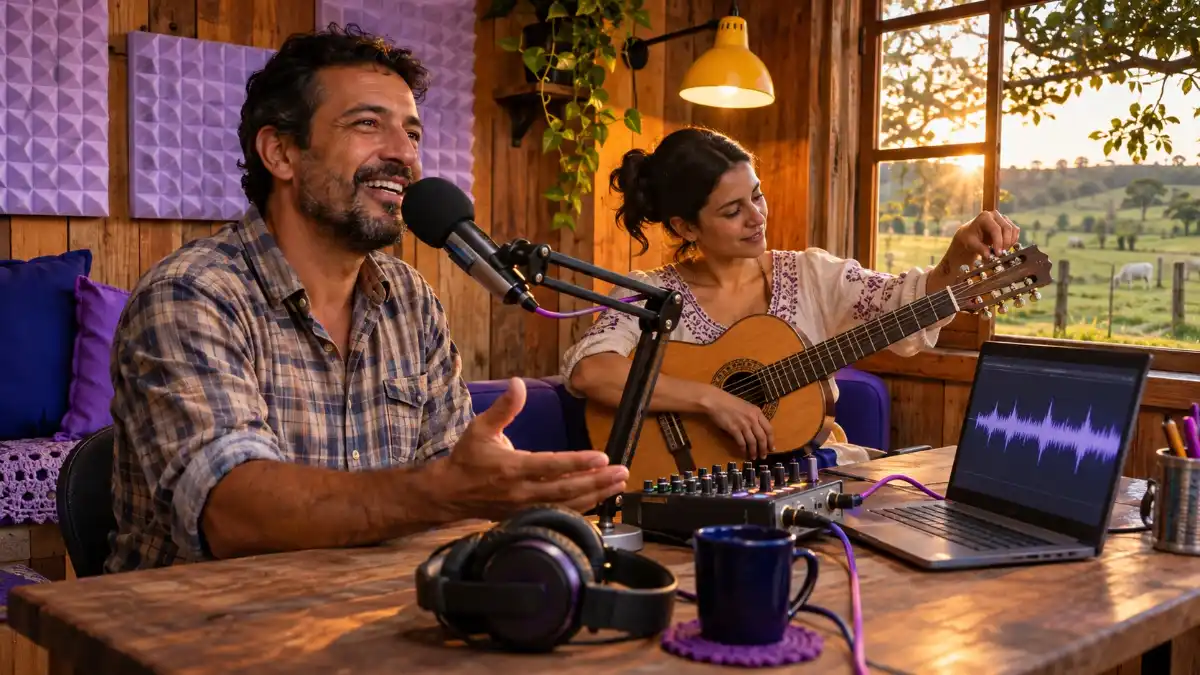
Sertanejo was born in the countryside, and many of its most loyal listeners still live far from big cities, where local stations rarely play the style they prefer. An internet radio station reaches them on a phone, a smart speaker or a car stereo, wherever there is a data signal. Sertanejo listeners are also very specific: some only want raiz with viola caipira, others the romantic hits of the 80s and 90s, others the newest universitário releases. A focused online station can serve one of those groups far better than a general FM station that has to please everyone, and it also reaches Brazilian families abroad who want a station that feels like home.
Choose Your Sertanejo Lane
That specificity is your biggest advantage, so the first decision is which side of sertanejo your station will stand on. Each sub-style has its own sound, its own audience and even its own listening hours, and mixing all of them without a plan is what makes many web radios sound like a random playlist.
Use the table below to pick one main lane and, at most, one secondary lane that you can feature in specific shows.
| Sertanejo style | What it sounds like | Who usually listens | Programming idea |
|---|---|---|---|
| Raiz / caipira | Viola caipira, duplas singing in thirds, stories about rural life | Older listeners, the interior, fans of tradition | An early-morning block of moda de viola |
| Romantic classics (modão) | The big ballads of the 80s and 90s | Adults who grew up with those hits | An evening block of love songs and requests |
| Universitário | Upbeat, modern production, party songs | Young adults, students, the city | A weekend countdown of current hits |
| Feminejo | Female artists and points of view | A broad audience, strong among women | A weekly show dedicated to women in sertanejo |
| Sertanejo pop and agronejo | Pop production and themes from agribusiness and country life | Young listeners from rural regions | A Friday show for the start of the weekend |
Once you choose, write your station’s identity in one sentence, for example: “Modão and romantic sertanejo for people who miss the classics, live every evening”. That sentence will guide your music, your schedule and even your station name. If you are still looking for one, our radio station name ideas can help.
Build Your Music Library and Rotation
With your lane defined, the next step is the music itself. In practice, the quality of a sertanejo station depends less on how many songs it has and more on how well they are organized.
Start by collecting your songs from legal sources and sorting them into folders or playlists by style, era and energy: slow ballads, mid-tempo songs and upbeat party tracks. Then clean the metadata before you upload anything. Sertanejo is a genre of duplas, so decide on one format for artist names, such as “First Name & Second Name”, and use it every time. Clean tags are what your listeners see in the “now playing” display, and messy duplicates make even a good station look careless. Our guide to radio metadata explains how to fix this step by step.
From there, organize your rotation in categories, such as current hits, recent hits and classics, and set separation rules so the same dupla doesn’t play twice in a row. Variety matters even more in sertanejo, because many songs share similar themes and tempos. Our radio music rotation guide shows how to build those categories so your playlist never sounds repetitive.
Program a Day That Feels Like Sertanejo Radio
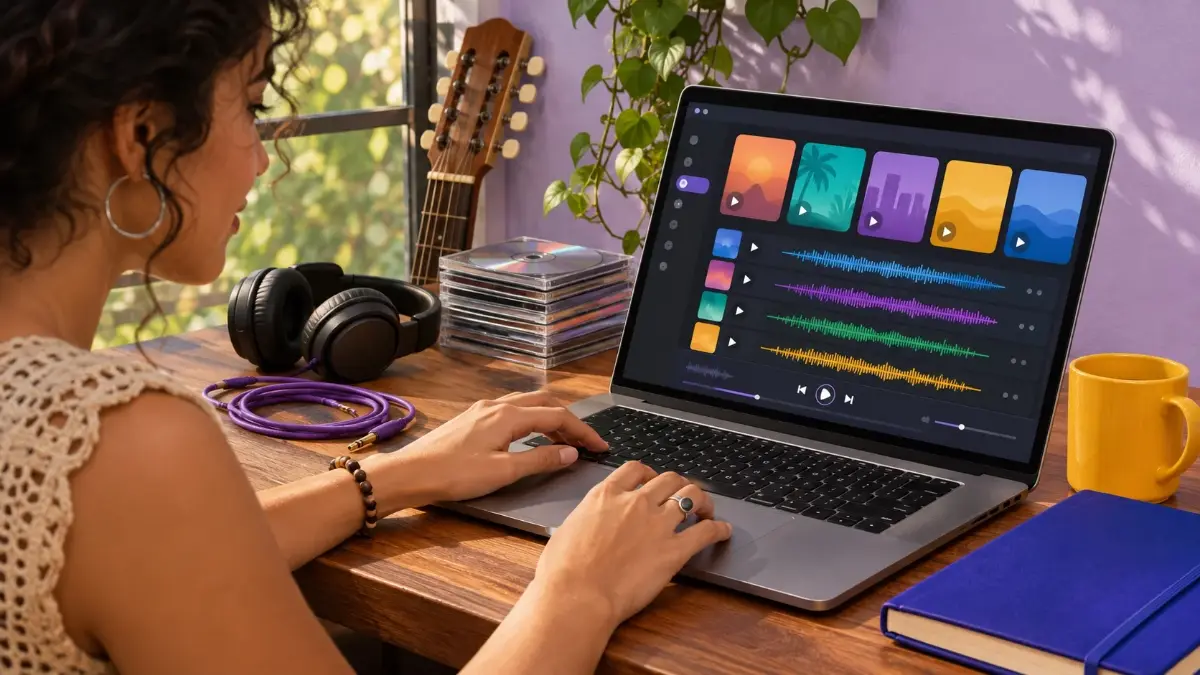
A good library becomes a real station when it follows the rhythm of your listeners’ day. Sertanejo radio has strong traditions here, and following them makes your stream feel familiar from the first minute.
Think about who is listening at each hour and what they are doing. A simple daily structure could look like this:
| Time of day | Mood | What to play |
|---|---|---|
| Early morning (5 to 7 a.m.) | Calm and traditional | Raiz and moda de viola for people starting the day early |
| Morning | Energetic | Upbeat hits and short announcements |
| Lunchtime | Social | A request hour with listener messages |
| Evening | Romantic | Modão, ballads and dedications |
| Weekend | Festive | Countdowns, live shows and specials about rodeos and festivals |
You don’t need to be on the microphone all day to keep this structure. AutoDJ can play your scheduled blocks around the clock, and because AzuraCast is built into Zeno, you can organize playlists by time of day without extra software. Our guide to planning a 24/7 radio schedule includes a template you can adapt to these dayparts.
Licensing: Sort Out ECAD Before You Launch
Once the music and the schedule are ready, there is one step you should not leave for later: music rights. Playing songs you don’t own on a public internet radio station means you need permission from the organizations that manage those rights.
In Brazil, that organization is ECAD, which centralizes the collection and distribution of public performance rights for music, under Law No. 9,610/98. Contact ECAD before launch to find out which license applies to your web radio. If your station is based in the United States, the equivalent organizations are ASCAP, BMI, SESAC and SoundExchange. Rules change from country to country, so check the ones that apply to you; this article is not legal advice. Our music licensing guide for internet radio explains the basics in more detail.
Go Live and Build Your Sertanejo Community
A playlist keeps the station running, but people are what make listeners come back. In sertanejo radio, the host who reads the dedications, sends a “hello” to the town next door and talks about the weekend rodeo is part of the tradition.
Plan at least one live show a day, even if it’s only an hour. You can broadcast from a laptop with a simple microphone using a free encoder; our step-by-step guide on how to use BUTT shows the whole setup, and AutoDJ steps aside while you’re on air. During the show, invite listeners to send requests and voice messages. Many sertanejo audiences already live on WhatsApp, and our guide to WhatsApp for radio stations explains how to turn those messages into on-air moments.
Local connections matter too: rodeos, country festivals, churrascarias and farm supply stores are natural partners for announcements, interviews and, later, sponsorships.
Reach Brazilians Abroad
Your community doesn’t have to stop at Brazil’s borders. Brazilians in the United States, Europe and Japan often look for sertanejo radio to feel closer to home, so think about time zones: your evening romantic block may land in the middle of the afternoon in Boston or Orlando, so consider repeating key shows at times that work abroad. Mention cities with large Brazilian communities on air, share dedications from listeners outside Brazil and, if part of your audience was born abroad, add short segments in English. Our guide to building a bilingual radio station for diaspora communities has practical ideas for this.

Frequently Asked Questions
Can I start a sertanejo radio station from home?
Yes. A computer, a decent microphone, a stable internet connection and a streaming platform are enough to start. You can add live shows and better equipment as your audience grows.
Do I need a license to play sertanejo online?
In most cases, yes. In Brazil, music rights for web radio are managed by ECAD. In the United States, they are managed by ASCAP, BMI, SESAC and SoundExchange. Check the rules in your country before launch.
How can I get my first listeners?
Start with people who already love the genre: family, friends, WhatsApp groups, local events and Brazilian communities abroad. Fixed live shows give them a reason to tune in at the same time every day.
Your Sertanejo Radio Station Starts With One Clear Choice
A sertanejo radio station that lasts is built on a few decisions made well: one clear style, a clean and well-rotated library, a schedule that follows your listeners’ day, licensing sorted out with ECAD and live shows that make people feel at home, wherever they are.
When you’re ready, create your station on Zeno and put your first sertanejo block on air. If you’re starting from scratch, our guide to starting an online radio station walks you through every step.
November 16, 2026