Bilingual Radio Station: How to Build a 24/7 Global Voice for Diaspora Communities
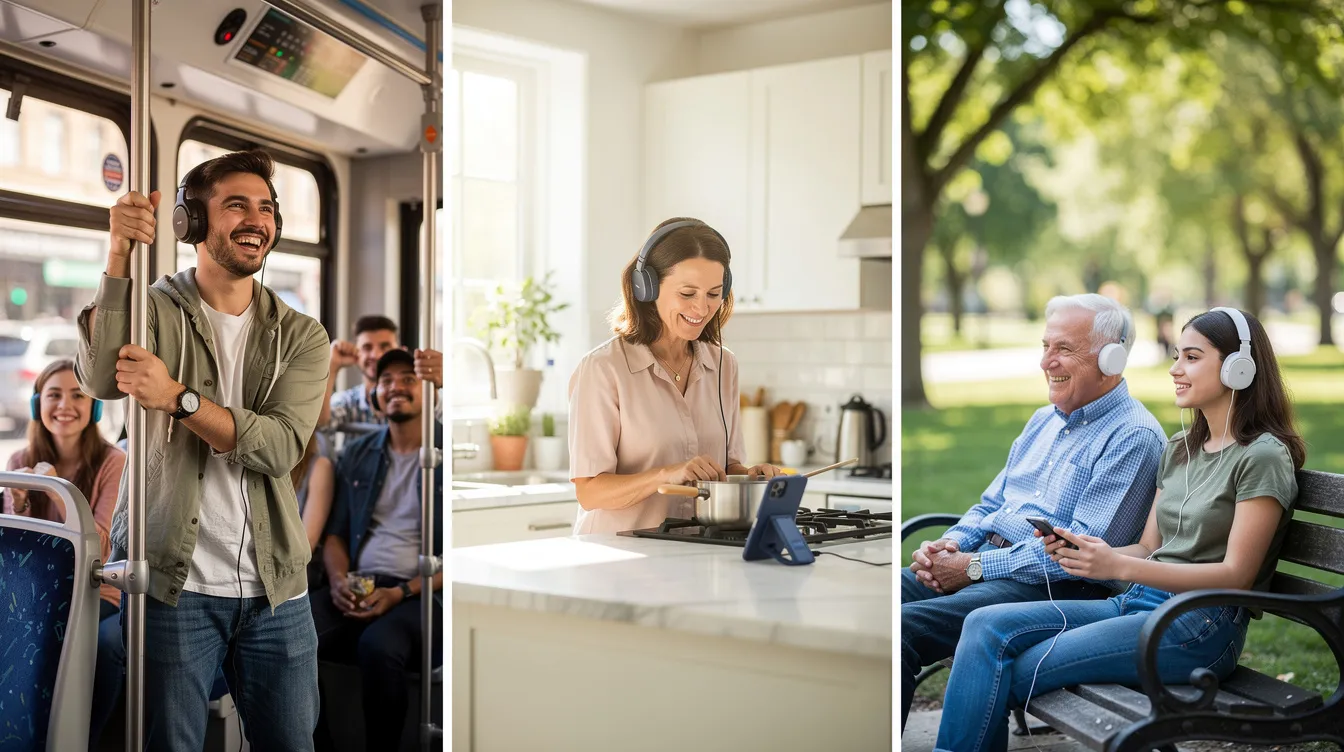
A Mexican nurse finishes a night shift in Chicago and hears regional ranchera music on her phone, followed by local English news. A Moroccan teenager in Paris catches Arabic prayers before school, then French traffic updates on the same station. A bilingual radio station broadcasts in two languages, blending music, news, talk, and cultural programming to serve immigrant and bilingual communities with both trusted local information and a connection to home.

Bilingual radio stations serve immigrant populations and bilingual bicultural residents by weaving together the language, music, and news of two worlds. Whether it is Spanish–English for Latinos in the US, Hindi–English for Indians in the UK, or Arabic–French for North Africans in France, these stations help maintain cultural connections, reduce isolation, and give diaspora audiences accessible updates they can trust. Today, internet radio includes over 60,000 stations worldwide, and internet radio requires an internet connection for streaming – but that single connection can reach any country on earth. Platforms like Zeno.FM operate in more than 100 countries, letting community leaders, faith groups, diaspora organizations, and independent broadcasters build a live, 24/7 bilingual voice without a transmitter tower or an FM license.
This article looks at why bilingual radio matters, how to design programming for multicultural listeners, which streaming tools help you broadcast globally, and how to grow engagement while launching a station that serves your community wherever they are.
The Emotional and Cultural Power of Bilingual Radio
Bilingual radio stations act as vital sources of community news, culture, and information. They strengthen local communities by connecting people across cultures, and for essential workers in marginalized communities, bilingual stations often serve as the primary voice they trust. Bilingual stations may feature music from various cultures alongside news and talk shows, and that mix helps bridge cultural gaps in communities where two or more languages coexist daily.
Hearing your first language on air can reduce loneliness and culture shock. Code-switching – mixing languages mid-sentence the way real families talk – makes the sound feel authentic. Studies on stations like 96.3 La Mega in Los Angeles show that bilingual hosts who naturally switch between Spanish and English mirror how their listeners actually speak, building deep trust. For second-generation kids, this is how they discover their parents’ language without it feeling like homework.
Designing Your Bilingual Programming: Language Balance, Dayparts, Format, and Specific Genre
The first bilingual stations were established in the 1970s and 1980s by Chicano activists who understood that programming is where culture meets schedule. Today, bilingual radio stations cater to diverse multilingual communities with several language balance models:
- 50/50 split – equal time in each language
- Domina
- nt + support – 70% heritage language, 30% local (or vice versa)
- Show-by-show – some programs entirely in one language, others mixed
Many bilingual stations create programming that serves both multilingual families and the broader community. Bilingual radio programming makes local news, weather, and emergency alerts accessible to non-English speakers, while call-in shows allow listeners to discuss community concerns and express political opinions. Programming typically includes daily news, immigration updates, and health reports, plus bilingual radio stations broadcast public affairs programming such as disaster preparedness and immigration rights. Community-oriented bilingual stations often feature local artists, educators, and community leaders.
Bilingual radio stations also provide crucial information tailored to rural communities in the area, where other media may not reach, so it is essential to understand internet radio licensing and legal broadcasting requirements when you include music and other copyrighted content. Use dayparting to match your audience’s life: mornings in the dominant local language for commuters, evenings and weekends heavier in heritage language when families gather. Add recurring segments like a “Word of the Day” to make language learning fun, and always announce tune-in information in both languages.
A sample schedule for a Spanish–English station might run from a bilingual breakfast news block through midday music organized by specific genre – reggaetón, salsa, pop, regional Mexican – into an afternoon youth talk show, then evening faith or storytelling programming. Late nights could feature dedications. Even topics like true crime or sports commentary draw loyal audiences when presented bilingually. The huge variety of genres you can weave in – from jazz and rock to Afrobeat and K-pop – keeps programming fresh.
Taking Your Bilingual Station Global: Streaming, Apps, and Broadcast Technology
The world has moved beyond FM. Norway discontinued FM transmission in 2017, and HD Radio offers more stations than traditional FM ever could. With over 60,000 radio stations available online, listeners can access global stations via apps or browsers from anywhere – and the Global Radio app alone offers access to 35,000+ stations.
On Zeno.FM, you set up a microphone, headphones, a stable internet connection, and you can stream to a global audience. Over 40 million listeners access audio content monthly via Zeno.FM. The platform’s AutoDJ automates radio programming schedules, keeping your station live 24/7 even when no host is in the studio. Radio automation enhances audience engagement and growth because your station never goes silent – no matter the time zone, especially when you use a cloud-based online radio platform like Zeno.FM to manage live streams, scheduling, and monetization in one place.
Listeners can access radio stations by language or country, so diaspora audiences can discover a station from their homeland with a single search. Web-only stations focus on specific genres or topics, giving you the freedom to serve a niche community, and with the right tools to broadcast live radio online you can deliver that content in real time from anywhere. Distribution reaches everywhere: custom mobile apps for iOS and Android, Amazon Alexa skills, Apple CarPlay, Android Auto, and embedded web players on community or church websites.
For revenue, radio stations can monetize through advertising and sponsorships – think local businesses serving diaspora audiences like immigration services, restaurants, and travel agencies – or upgrade to professional streaming plans for online radio that unlock more monetization opportunities and support. Non-commercial radio stations often rely on listener contributions for income, and many radio stations offer premium access for ad-free listening. Zeno.FM provides monetization tools for audio creators and radio stations, plus broadcast analytics tools that track audience performance metrics so you can see which shows retain listeners longest and adjust your programming based on real data.
Radio automation tools also help convert live shows into podcasts, so listeners in different time zones can download and enjoy bilingual content on demand, and platforms like Zeno.FM’s podcast hosting and AI automation simplify turning your live bilingual shows into on-demand episodes.
Building Community Across Borders: Engagement, Participation, and Growth
A bilingual radio station is more than a playlist – it becomes a meeting place for a global community. Encourage listener interaction through WhatsApp voice notes, live call-ins, Telegram groups, and social media comments read on air in both languages. Feature birthday shout-outs, migrant success stories, small-business spotlights, and cultural event calendars.
Governments and nonprofits often partner with bilingual radio stations to connect residents with resources like ESL classes, legal aid, and mental health service providers. Coordinate cross-border content by having correspondents back home call in with weekly updates. Collaborate with community centers, mosques, temples, churches, and diaspora associations to co-produce shows.
On social media, post bilingual captions, use polls so listeners can vote on music or topics, and share clips to help new listeners find your station. Create special series for youth, women, new arrivals, and elders – so every voice in your community gets heard.
From Idea to On-Air: Launching Your Own Bilingual Radio Stations with Zeno.FM
You do not need a full studio. A laptop, a USB microphone, consistent internet, and a clear vision for your community is the beginning of something real. Here is a simple roadmap:
- Define your diaspora community – language pair, geography, demographics
- Plan your content – choose music genres, talk topics, faith programming
- Draft a weekly schedule – assign time blocks, languages, and hosts
- Set up your station on Zeno.FM – create a profile with bilingual description and artwork, configure stream settings, upload playlists to AutoDJ
- Test privately – check audio on different devices, listen through your browser and app, record announcements in both languages
- Promote – announce on WhatsApp groups, Facebook communities, faith gatherings, and encourage early listeners to share your link with relatives abroad
Over your first 90 days, use Zeno.FM’s analytics to track listener growth, peak hours, and which countries connect most, and apply proven strategies to grow your online radio station so your bilingual audience expands steadily. More than 100 countries use Zeno.FM for broadcasting, and Zeno.FM serves over 40 million listeners monthly – your audience is already out there waiting. Zeno.FM provides tools for analyzing audience performance so you can fine-tune your language mix based on what the data tells you.
Every bilingual station is a lifeline between generations and across borders. You do not need permission to give your community a voice – just a microphone, a connection, and the will to press “go live.” Start your bilingual radio station on Zeno.FM today and let your community hear itself, wherever in the world they are.
July 9, 2026