How to Build a Radio Media Kit (and Rate Card) That Wins Sponsors
If you run a community, church, nonprofit, school, or diaspora internet radio station, a radio media kit is your station’s sales brochure for potential sponsors. It tells local businesses who you are, who listens, and why your airwaves are the right place to reach their customers. Without one, you are left inventing your pitch from scratch every time a sponsor asks what you offer.
This guide is for independent internet radio broadcasters who want to acquire their first local or niche sponsor. By the end, you will have a simple, professional radio media kit and a basic radio rate card you can email or present at business meetings. If you host your stream with Zeno.FM, you can pull your audience data and run sponsor campaigns using Zeno Tools in one place. For a broader look at turning your station into revenue, check out this guide to monetizing your internet radio station.
What Is a Radio Media Kit, and How Is It Different From a Rate Card?
A radio media kit is a promotional document used to pitch advertising opportunities to sponsors. It explains who you are, who listens, what sponsorship formats you offer, and why your station is a good place for a company to reach its potential customers. Think of it as the storytelling and proof side of your sales effort. A radio media kit serves as a sales tool for conveying advertising opportunities, and it should answer a prospective sponsor’s questions without requiring a meeting.
A radio rate card is the part that lists your sponsorship options, what each one includes, and the cost. It is the menu and pricing rules sponsors use to determine whether a deal fits their budget.
Many small internet radio stations combine both into one concise PDF or web page so sponsors have everything in one file. The media kit covers the story, audience, programming, and formats. The rate card covers packages and pricing. Together, they help sponsors evaluate events, shows, and long-term partnerships quickly, so they can decide whether to move to a proposal or agreement.
What to Include in Your Radio Media Kit
An effective radio media kit must include core components like audience demographics and a station overview. This section is your checklist of the essential elements every kit should have. Keep each part focused and written in simple, non-technical language so a busy local business owner can skim it in a few minutes.
Station Profile and Story
A compelling station overview outlines the station’s history and mission. This is your chance to tell the world why your station matters.
Write a short paragraph covering your format (talk, gospel, Afrobeats, sports, music, or a mix), the languages you broadcast in, and your mission. Then highlight what makes you different from a generic stream. Are you serving a diaspora community, supporting youth voices, or connecting a local town?
Follow the paragraph with scannable bullet points:
- Format and content focus (for example, reggae and Caribbean culture, or faith-based talk and worship music)
- Languages used on air
- Typical live hours and who presents (volunteer DJs, students, church leaders)
- Community involvement: events, fundraisers, or causes the station actively supports
- How long the station has been active and thriving
These details help a sponsor understand the community your voice reaches and whether it appeals to their customers.
Audience Data Sponsors Actually Want
Sponsors care less about huge numbers and more about whether your station reaches the right people and holds their attention. Audience reach metrics demonstrate potential market size and engagement, and listener behavior and psychographics explain audience lifestyle and listening habits. Even audience demographics like age, gender, income, and lifestyle habits can be gathered informally through listener surveys and shared here.
Stations using Zeno.FM can find these numbers in the Analytics section of Zeno Tools. Here is what to present in your kit and how to explain each metric:
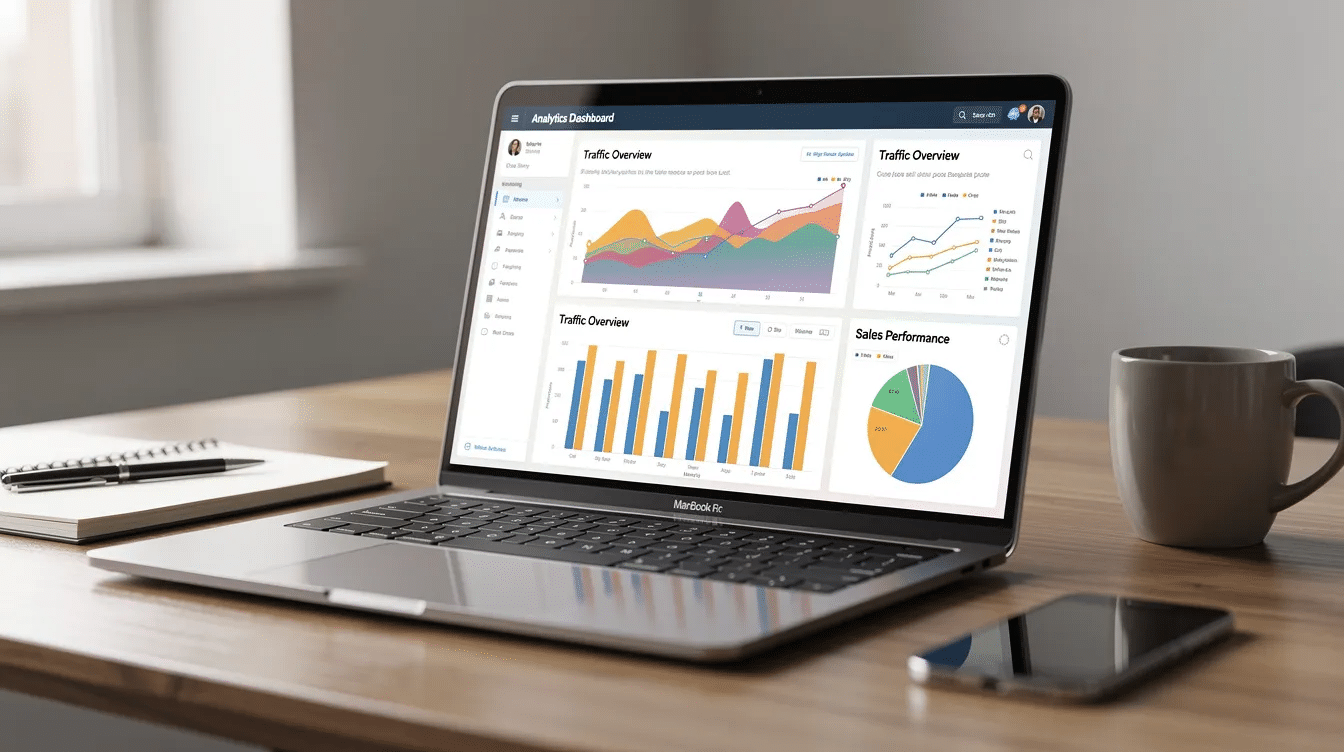
- Total listening hours: the sum of all session durations over a reporting period. This shows overall scale and station health.
- Average listening minutes per session: total listening time divided by number of sessions. This measures how long people stay, not just how many tune in.
- Sessions and average sessions per hour: each session is one discrete listening connection. Sessions measure volume, and average sessions per hour reveals demand across the day.
- Listening by country: sessions, unique listeners, and share of total listening hours broken down by country. For diaspora and niche stations, this data is crucial because it shows sponsors exactly which countries and communities you reach. While internet stations do not have traditional coverage maps that show the geographic footprint of a broadcast tower’s signal, country-level data serves the same purpose.
- Devices: Android, iPhone, desktop, and others. Device data reassures sponsors that their campaign will reach people on mobile while they commute, work, or attend an event.
- Peak hours: sessions and average listening time by hour of the day. This helps sponsors determine the best time to place messages and align with your most active shows.
Honesty rules you must follow: A session is one listening visit, not one unique person, so never present sessions as people. Use a consistent date range for all metrics (for example, the last full month). Never round up or inflate data.
If your numbers are still small, lead with niche focus, listener loyalty, and time spent listening. A station whose listeners stay for half an hour or more per session is delivering real engagement. For tips on building your audience over time, see this guide to growing your online radio station.
Programming and Schedule Highlights
This part of the radio media kit should spotlight the flagship shows and regular live hours that attract the most engaged audience. Include concrete examples:
- Morning show with music and community announcements
- Drive-time mix with listener requests
- Weekly talk show on local issues, health, or faith
- Sunday service broadcast or cultural music series
- Special event coverage (holiday specials, community festivals, charity fundraisers)
Mention which programs are live and which use AutoDJ. Live segments are especially valuable for live reads and interactive sponsor mentions because the host’s voice carries personal trust. Align sponsor placements with the peak hours you identified in Analytics so businesses understand when their message will reach the most listeners.
Ad Formats and Sponsorship Opportunities
Your advertising options should detail available formats and pricing models so sponsors know exactly what they can buy. Creative assets should include branding guidelines and sample ad scripts to help sponsors visualize their involvement. The station can offer two groups of formats, plus digital add-ons:
Group A – Pre-recorded spots (pre-roll audio ads through Zeno Tools Campaigns):
- These play automatically when a listener starts a session.
- Ad impressions quantify digital views of advertisements, and they are crucial for user acquisition campaigns. Each play counts as an impression, giving sponsors a clear measure of delivery.
- Sponsors provide a script and audio file. Zeno Tools processes the file and adjusts its length and audio properties to match your stream.
Group B – On-air formats the host handles:
- Live reads during a show, where the presenter speaks naturally about the sponsor’s service or offering
- Show or segment sponsorship (“This program is brought to you by…”)
- Event sponsorship: the sponsor supports coverage of a concert, community festival, or charity event, receiving repeated mentions before, during, and after
Digital add-ons:
- Logo or mention on the station website
- Shout-outs in the station’s mobile app
- Posts on social media pages showcasing the sponsor’s brand
- Features in a WhatsApp channel
Each format works best for a different goal: branding, event promotion, quick sales offers, or long-term community visibility.
Proof: Testimonials, Community Impact, and Sample Audio
Sponsors want evidence that your station delivers. Including testimonials or success stories builds credibility for the media kit. Case studies and testimonials help prove past advertisers’ success metrics and show that supporting your station is a sound investment.
- Collect short quotes from listeners, local organizers, or past sponsors (with permission) that reflect trust, reach, and community love.
- Mention specific community projects, fundraisers, or outreach events the station has supported, and how on-air messaging helped attendance or awareness.
- Embed or link to a short audio sample that showcases a produced sponsor spot or station ID. For inspiration on sounding polished, check out this resource on radio imaging.
Even two or three strong quotes and one community example can make the difference between a sponsor who is interested and one who is ready to sign.
Contact Details and a Clear Next Step
A media kit should include a clear call to action for advertisers, and contact information should be easily accessible in a radio media kit. This is where many small stations fail, so make the next step concrete, easy, and friendly.
- Contact person’s name and role at the station
- Email address
- Phone or WhatsApp number
- Station website and main social channels
End with a call to action: invite potential sponsors to book a short call, request a proposal, or discuss an upcoming campaign idea. Mention that the station can prepare a simple sponsorship proposal based on the packages in the media kit and radio rate card.
How to Build a Radio Rate Card
A radio rate card turns sponsorship ideas into clear packages so local businesses know what they are buying and how the campaign will run. It can sit at the end of your radio media kit as a dedicated page, using consistent branding and clear headings.
The goal is not to list dozens of confusing options. Offer a few simple packages that match how sponsors think: pre-roll advertising, show sponsorship, event campaigns, and longer-term partnerships.
Choose a Pricing Model
There are several models you can use, and you can mix them:
- Flat pricing for on-air formats: a fixed price per live read, per show sponsorship, or per week of mentions.
- Impression-based packages for pre-roll spots delivered through Zeno Tools Campaigns, where a sponsor buys a set number of ad impressions over a chosen period. Served impressions count ad deliveries regardless of visibility, while viewable impressions measure actual audience visibility of ads.
- CPM (cost per mille): this calculates the cost per one thousand ad impressions. It is a simple way to compare the value of audio advertising with other media.
- Sponsorship tiers: group combinations of on-air and digital benefits into levels. For example, a bronze tier is typically priced at around fifteen to twenty-five percent of the top tier, a silver tier sits at forty to fifty percent, a gold tier costs seventy to eighty percent, and a platinum tier offers maximum visibility and exclusivity. This lets sponsors at different budget levels see where they fit.
Pick the model that matches your capacity and what your sponsors will understand. A marketer at a larger company may be familiar with CPM, while a local shop owner may prefer a flat price per week.
Build Packages Small Advertisers Can Say Yes To
Many local businesses have limited budgets and need simple, understandable choices. Advertising packages should simplify the purchase process for advertisers. Structure your rate card around a table with three columns – Package, What’s Included, and Best For – and no prices in the table itself (those go in a separate conversation or proposal).
| Package | What’s Included | Best For |
|---|---|---|
| Pre-roll impressions package | A set number of pre-roll plays over a campaign period, tracked by impressions | A business that wants broad reach across all listeners |
| Show sponsorship | Live reads and mentions inside one program, plus a host endorsement | A brand that wants to align with a specific show or content series |
| Event or seasonal campaign | Pre-roll spots plus live mentions for a limited time around a specific event or season | Promoting a sale, grand opening, festival, or holiday offering |
| Community partner | Long-term mix of on-air mentions, pre-roll, and digital add-ons (website, social, app) | A company looking for ongoing visibility and community trust |
Each package should describe how it helps sponsors reach potential customers, whether for a one-off event or ongoing brand growth.

Set Your First Prices Without Guessing
Start by calculating your real costs: streaming, production time, on-air talent effort, and admin work. Make sure sponsorships cover these plus a reasonable margin. Then look at what other local advertising options (like local print, billboards, or community newsletters) charge in your area, so you understand the competitive environment.
Offer an introductory rate or trial package for a first campaign with a modest impression goal. This lowers the risk for the sponsor and gives you a chance to track performance and build trust. After each campaign, review the Analytics data and sponsor feedback, then adjust rates and packages based on what actually delivered value.
A radio rate card is a starting point for conversation and negotiation, not a rigid list. Revisit it regularly as your station’s audience and content grow.
How to Deliver and Report Sponsor Campaigns on Zeno.FM
Running pre-roll sponsor campaigns through Zeno Tools makes it easier to deliver what your rate card promises and prove results. Ad impressions help gauge campaign reach and impact, and the built-in tools let you measure everything in one place.
Here is a plain-language walkthrough of how it works in the Advertising section of Zeno Tools:
- Create a campaign: name it, add the advertiser’s information, and set an impression goal plus a start and end date.
- Upload the audio: upload the sponsor’s audio file. Zeno Tools processes it and adjusts its length and audio properties to match your stream automatically.
- Set priority and pacing: choose a priority relative to other active campaigns and select a pacing option (for example, deliver impressions as soon as possible or spread them evenly). You can also optionally schedule specific delivery times.
- Target your audience: target all listeners or narrow delivery using targeting rules. Always use Check Inventory before launching to confirm there are enough impressions available for the campaign period.
For reporting, the Analytics section shows total ad impressions and impressions by hour alongside session data. You can export this information using Exports & reports and send the sponsor a simple end-of-campaign summary: what ran, over what dates, how many impressions were delivered, and key learnings for the next campaign or event. This kind of transparent reporting builds trust and opens the door to conversions – turning a one-time sponsor into a returning partner.
Design and Format Tips
A media kit should be visually appealing and easy to read. A one-page format is ideal for smaller events or stations with a focused offering, while a multi-page prospectus of four to eight pages works for larger events or stations with extensive programming.
For most small stations, one or two pages is the sweet spot. Use your station’s colors, logo, and a couple of images (studio photos, presenters, community events) to make the document feel branded but not cluttered.
- Create both a PDF version for submitting via email and a simple web page version on your station’s website.
- Use plain language, short paragraphs, and bullet lists so busy business owners can scan benefits in under a minute.
- Recent metrics should regularly update in the media kit for accuracy. Refresh your audience numbers and programming details on a regular schedule, and update the file name or version note so sponsors always see current information saved under a clear label.
How to Pitch Your Media Kit to Local Businesses
A strong radio media kit only works if it lands in the right inbox. Start by picking target businesses whose ideal customers match your listeners and countries: local shops, restaurants, professional services, faith-based groups, schools, and recurring event organizers.
Send a short personalized email with one sentence about the business, one about your station’s audience, and a clear mention that the media kit and rate card are attached or linked. Keep the message warm and show genuine interest in what the company does.
Follow up politely after a few days with a second message or call. Offer to walk through a simple starter package or a trial campaign with a modest impression goal. This lowers the barrier and lets the sponsor see your ROI without a large investment.
After running a first campaign, send a concise summary using your Analytics exports. Highlight impressions delivered and on-air activity. This is where you open the renewal or upsell conversation, secure the relationship for the future, and turn leads into long-term partners.
Common Mistakes to Avoid
- Presenting sessions as unique listeners: a session is a single listening connection, not a person. Sponsors who learn the difference later will lose trust in your data and your station.
- Inflated or outdated numbers: vague claims like “thousands of listeners” without a date range or metric definition damage credibility. Always state how and when the data was collected.
- Too many pages or complicated packages: overwhelming a small-business sponsor with a dense document leads to no decision at all. Fewer, clearer choices convert better.
- One-size-fits-all pricing: ignoring sponsor goals means you sell the same thing to every business regardless of their need. Allow some flexibility in packaging without rewriting the whole rate card.
- No call to action or contact section: if a sponsor finishes reading your kit and does not know how to proceed, you lose the opportunity. Make the next step obvious.
Build Your Kit, Launch a Campaign, Win Your First Sponsor
You now have a roadmap to build a clear radio media kit and radio rate card tailored to your station, your community, and your listeners. Log into Zeno Tools, pull your Analytics data, and assemble a first version of your kit – even if the numbers are still growing, your niche and content tell a powerful story.
Run a simple sponsor campaign, measure the results with Exports & reports, and use the outcomes to refine your pitch to future sponsors and events. If you are not yet on a paid plan, review Zeno.FM’s Starter, Prime, and Premier options to unlock the tools that help you sell, deliver, and grow.
September 29, 2026