Nonprofit Radio: Big Nonprofit Ideas, Community Stations & Digital Broadcasting
Nonprofit radio has always been about people, not profit margins. Today it looks different than it did a decade ago – and that’s a good thing for anyone running a small organization with big dreams.

Nonprofit Radio At A Glance
The term “nonprofit radio” covers a lot of ground in 2026. It includes traditional non-commercial FM stations licensed to educational organizations and volunteer-driven community broadcasters, that share big nonprofit ideas for leaders at small and mid-sized organizations. Community outreach, educational programming, and preservation of culture are the key missions that tie all of these formats together.
For busy executive directors, fundraisers, and board members, nonprofit radio content has become a mobile classroom. Episodes cover everything from project management tools for non project managers to prospect identification, building a member website, and making confident tech decisions – the kind of practical guidance that helps a nonprofit thrive even on a tight budget.
Internet streaming has blown open the doors. What used to reach only a local FM audience now travels globally through browsers, dedicated apps, smart speakers like Alexa, and even dial-in phone lines. Nonprofit radio stations often operate as community or public radio, and that mission-first approach – prioritizing public service over profit and focusing on community needs – now reaches listeners who would never have found a local signal.
Zeno.FM is one platform making this accessible, offering a cloud-based online radio platform that lets nonprofit broadcasters stream live radio, host podcasts, and reach audiences worldwide. Registered nonprofits may qualify for a 40% discount on paid streaming and podcasting plans, and ministries registered as nonprofits can check eligibility too.
The rest of this article covers three things: what you can learn from existing nonprofit-focused shows and podcasts, how community and educational stations operate across the U.S., and how to launch or grow your own nonprofit radio show or podcast using modern, affordable tools.
Learning From Nonprofit Radio Shows & Podcasts
Since around 2010, a wave of nonprofit-focused audio content has turned the podcast feed into something like a rolling conference for leaders who can’t always travel to one. These shows function as on-demand professional development – practical tips and real talk from leading thinkers in the nonprofit sector.
Tony Martignetti Nonprofit Radio is one of the longest-running examples. With over 13,000 weekly listeners drawn largely from small and mid-sized nonprofits, the nonprofit radio show covers volunteer management, donor relations, legal compliance, public relations, and dozens of other topics that matter when you’re running programs on a small budget. Episodes feature expert guests from organizations like feeding america, the princess margaret cancer foundation, the sick kids foundation, east refugee aid, madison college, the iowa association, and the canadian centre – people working in the trenches, not just theorizing from the sidelines.

What makes these shows valuable is their specificity. A single episode might walk you through fall gala strategy for turning one night attendees into recurring donors, or unpack how availability bias and confirmation bias quietly distort prospect identification processes. Another might feature mia velasco shares strategies for gamefying strategies that boost fundraising engagement, or cover how rebecca kaplan explain the mechanics of prospect research and selection bias in donor outreach. Segments often address how tactics jason shim returns to – like multi channel methods and data democratization – increase fundraising effectiveness across organizations of all sizes.
Common episode formats include:
- Annual rundown and time saving tactics – quick reviews of essential tools, apps, and workflow shortcuts for teams with no dedicated it team
- Deep dives into skeleton key strategies – frameworks like the Fundraising DISC Model that help identify retention roadblocks, because engaging donors is crucial for retention and understanding donor metrics improves retention strategies
- Tech corners – episodes on managing ai, building a human centered ai framework for fundraising, or why even an artificial intelligence skeptic should pay attention to how social media managers use AI to save time and reduce burnout
- Community conversations – interviews where thriving community leah or resources adrienne refers to come alive through real stories from the field
These shows regularly tackle tough issues that big nonprofits hire experts to solve but that smaller teams handle alone: nonprofit digital resilience, fundraising risks, offboarding data securely, collaborating internally to build internal partnerships, and navigating the own your data movement. Episodes on posting frequency, constant emergencies facing nonprofit social media managers, and how approval processes can hinder social media management efficiency offer tips that’ll help any team anticipating growth without growing staff. You’ll hear about process maps, writing a project charter, and even producing a closing report – management tools for non-specialists who still need to run complex campaigns.
The best way to use these shows is to treat them as ongoing professional development. Build a listening habit – one episode per commute – and share key takeaways at staff meetings. You can find them on your favorite podcast platform (Spotify, Apple Podcasts) or embed episodes on your member website or intranet for staff training. Other shows like Nonprofit Hub Radio and similar programs round out a wider learning ecosystem, collectively helping leaders at organizations with big dreams but limited resources identify methods that actually work.
Community & Educational Nonprofit Radio Stations In The U.S.
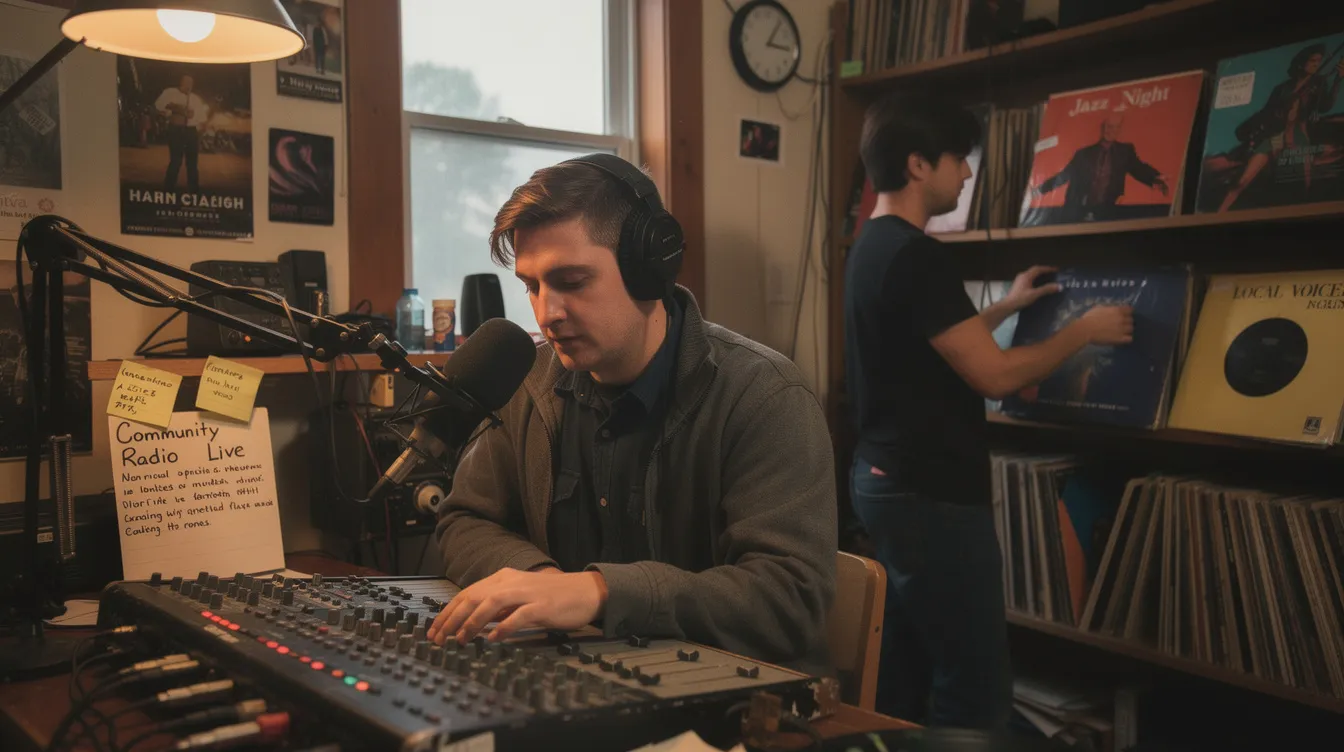
Non-commercial educational (NCE) and community radio stations across the United States are built around a simple idea: serve the community first. These stations are licensed only to nonprofit educational organizations and must demonstrate that their operations advance educational programs. They provide diverse programming that supports local musicians and underrepresented communities, and listeners often view nonprofit radio stations as trustworthy community members rather than salespeople.
According to the National Federation of Community Broadcasters, there are over 4,000 noncommercial stations in the U.S. Many are run by universities, community organizations, tribal governments, and local coalitions. They rely heavily on listener donations, grants, and volunteers for funding – and nonprofit status can make a station eligible for charitable donations and grants that commercial stations simply cannot access. These nonprofit stations have access to funding streams that commercial stations do not, including foundation grants and government support.
The variety across states is striking:
| Region | Station Type | Focus |
|---|---|---|
| Midwest | University stations (e.g., Indiana’s WFIU) | Student-produced news, local culture features, educational programming |
| California Central Valley | Radio Bilingüe (KSJV 91.5 FM) | Spanish-language news, music, and public affairs for farmworker communities |
| Pacific Northwest | Tribal and community stations | Indigenous voices, native language preservation, regional heritage |
| New England | Coastal community stations | Local arts curation, public affairs, regional music |
| Great Plains | Rural community stations | Farm community news, weather, local elections |
What these stations share: nonprofit radio strengthens communities by informing residents and preserving local culture. They provide tailored content and foster local culture in ways that mass-market media cannot. Nonprofit stations act as trusted information sources, particularly during elections or crises – community radios are vital during emergencies, broadcasting early warnings and evacuation plans when commercial outlets may not cover hyper-local needs. Their unique value comes through localism, trusted information, and community engagement.
Regulatory compliance remains a real challenge for nonprofit radio stations in the United States. New and growing stations also need to understand internet radio licensing and how to broadcast legally. NCE stations must follow strict rules forbidding advertising – underwriting acknowledgments are allowed, but cannot include promotional language or price mentions.
Over the last decade, many FM community stations have begun simulcasting over the internet. Archived shows, podcast feeds, and browser-based streams now let a rural station in Nebraska reach alumni across the country or a bilingual station in California connect with diaspora communities worldwide. Platforms like Zeno streaming allow these nonprofit stations to pair traditional over-the-air broadcasts with reliable streaming and global audience access – without building their own infrastructure.
Launching Or Growing Your Own Nonprofit Radio Stream Or Podcast
The period from 2024 through 2026 has been one of the strongest windows for nonprofits to start radio-style content. Smartphones are everywhere, production tools are free or cheap, and there’s growing appetite for niche, mission-focused audio. Resources like a 2026 guide to starting an online radio station from home make it even easier. If your organization has a story to tell – and every nonprofit does – there’s never been a lower barrier to getting on air.
Planning Without Panic
If the idea of a “radio project” makes you nervous, you’re not alone. Most nonprofit staff aren’t trained broadcasters. The good news: you can use lightweight project management tools – even simple checklists or Kanban boards in Trello or Asana – to keep production on track. These are tools for non project specialists who still need to coordinate guests, recording dates, editing, and publication without overwhelming a small team. Paired with a step-by-step beginner’s guide to starting your own online radio station, they keep your workflow visible, not another system to master.
Start by defining your concept:
- Who you serve – small nonprofits in your region, local community members, members of your association
- What you’ll cover – the big nonprofit ideas your audience actually needs, not what sounds impressive
- How often you’ll publish – weekly, biweekly, or monthly; consistency matters more than frequency
Content Themes That Work
Draw from what existing nonprofit audio has proven listeners want:
- Fundraising series – fall gala strategy for turning one night attendees into year-round supporters, giving day segmentation (because segmentation improves success on giving days), and how gala events can unlock new revenue drivers. Using tech wisely enhances fundraising event outcomes, so cover the digital resources that make a difference.
- Prospect and donor segments – prospect identification and the biases that distort it (availability bias creep, confirmation bias, selection bias), plus how to build prospect identification processes that account for identify methods your team may be overlooking. This is a substantial fundraising growth opportunity for organizations willing to examine their assumptions.
- Tech corners – making confident tech decisions about your tech stack, crm database, and default configurations without a dedicated it team. Nonprofits can implement 10 essential security measures immediately: changing default configurations is a key cybersecurity step, knowing where your data is located enhances security, firewalls are essential for protecting nonprofit data, and offboarding data securely is crucial for nonprofits. These are the kinds of topics where nonprofit struggles meet practical solutions.
- Community conversations – interviews with local leaders, volunteers, beneficiaries, and social influencers who represent your mission. Cover how collaborating internally and building leadership buy in creates stronger internal partnerships.
Your Hub and Distribution
A member website can serve as the hub for your nonprofit radio: embed a live player and on-demand episodes, post show notes, and invite listener questions or topic suggestions to build community. Using multi channel methods – your website, email list, social media – to promote episodes increases reach without increasing cost, especially when you apply proven strategies to grow your online radio station fast.
Zeno.FM makes the technical side straightforward. Nonprofits can stream live shows, host recorded episodes as podcasts, and reach global listeners via web players, mobile apps, and dial-in phone lines by choosing from professional streaming plans for online radio. Eligible nonprofit broadcasters and ministries can receive a 40% discount on paid plans – contact the Zeno.FM team to check your eligibility.
Measuring and Improving
Once you’re live, don’t just broadcast into the void:
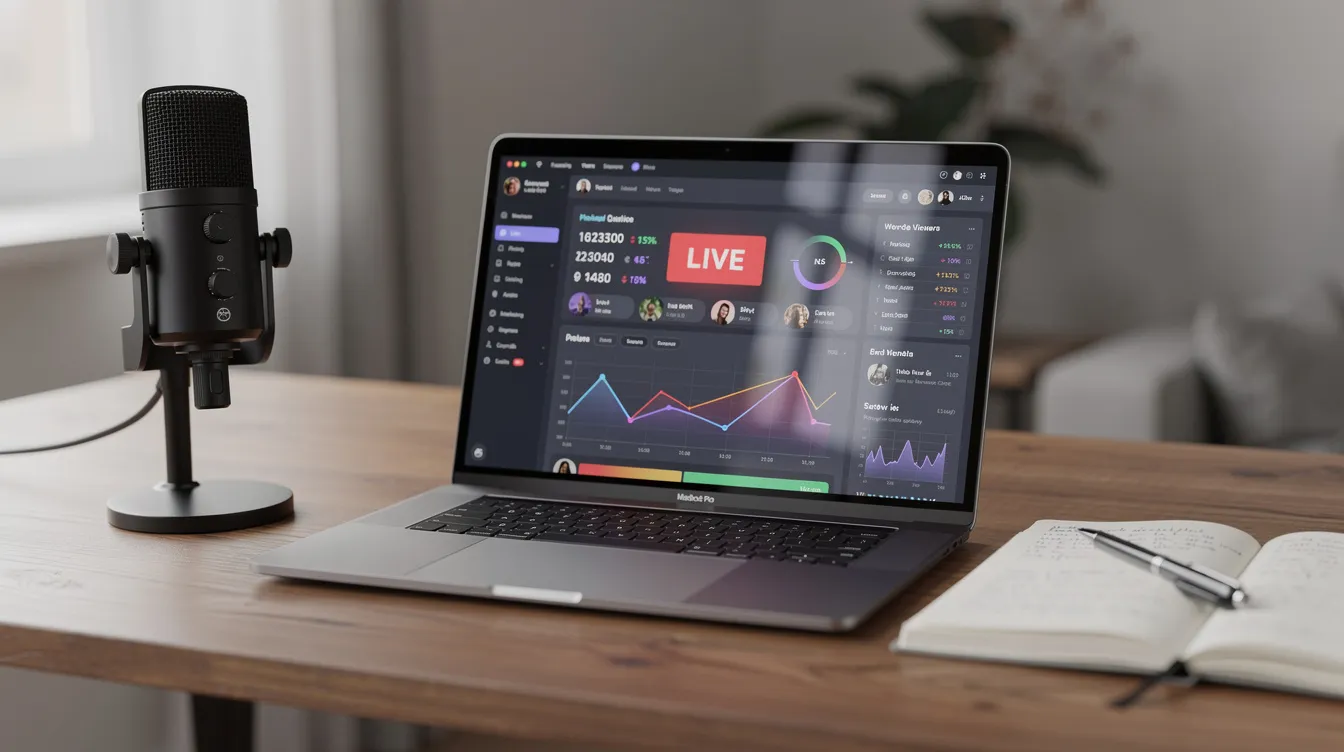
- Track listener stats – most streaming platforms provide basic analytics; use them to see which episodes resonate and which topics fall flat
- Collect simple surveys – a short post-episode form or email poll tells you what your audience actually wants next
- Adjust based on engagement – if your episode on new revenue drivers and revenue drivers from giving days outperforms your episode on annual compliance updates, that’s data worth acting on
- Refine continuously – the goal is to serve the other 95% of nonprofits that lack big budgets but need practical guidance to grow their fundraising potential
Nonprofit radio isn’t about having a perfect studio or a production team. It’s about having a mission worth sharing – and now, the tools to share it with anyone, anywhere. Whether you’re a community station looking to extend your reach online or a small organization launching your first podcast, the path from idea to live audio has never been shorter.
If you’re ready to start, explore what Zeno.FM offers for nonprofit broadcasters, and consider how Zeno automation can keep your station running 24/7 without exhausting your team. Your community is already listening for voices like yours.
July 14, 2026