Latin American Radio: How Online Stations Keep Music and Culture Alive Worldwide
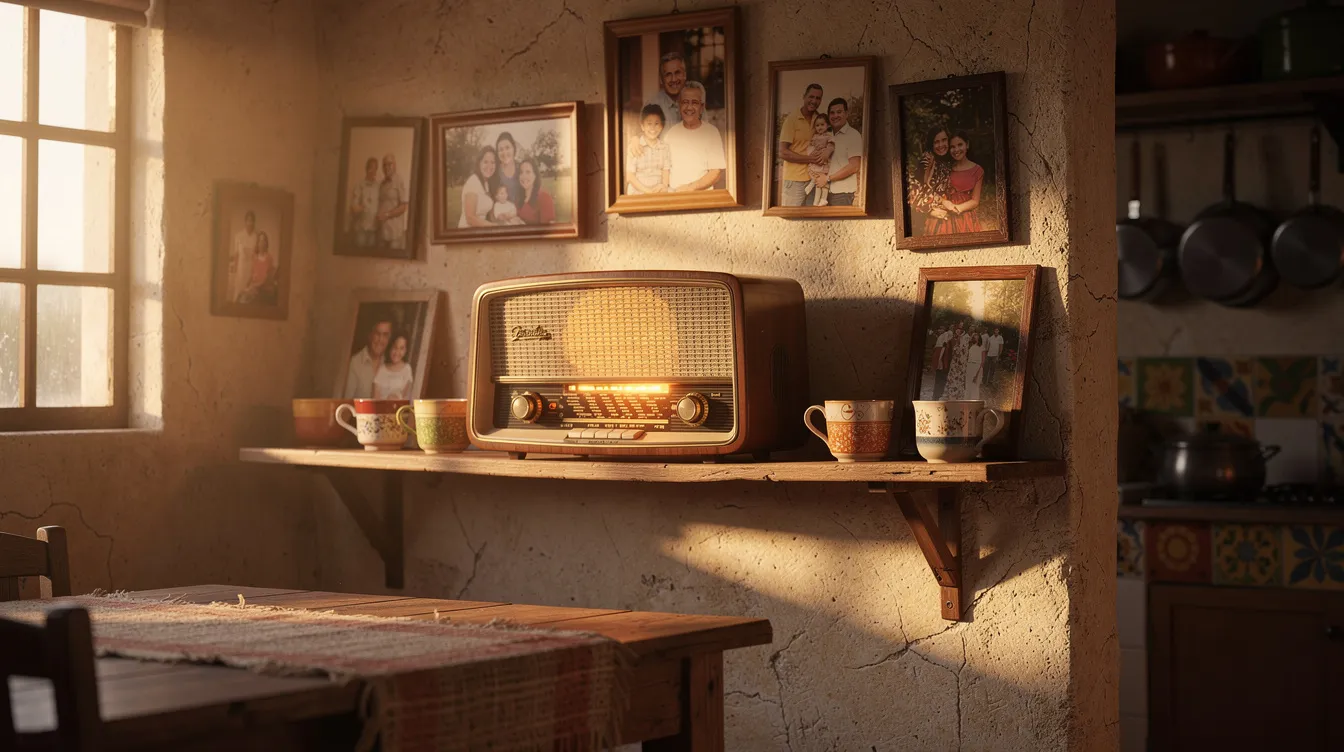
Somewhere right now, a grandmother in Medellín is humming along to a bolero on her kitchen radio while her granddaughter in Chicago streams the same station on her phone. That thread of sound – stretching across borders, generations, and languages – is what Latin American radio has always been about: a vibrant cultural medium that carries the region’s music, stories, and voices, and now reaches listeners worldwide through online streaming as easily as through a traditional dial.
For Latin American music fans, diaspora communities, community and independent broadcasters, cultural organizations, and anyone exploring online audio from the region, Latin American radio remains one of the clearest ways to stay connected to culture while reaching audiences far beyond local broadcast limits. This guide looks at its history and cultural impact, the role of community and indigenous stations, how it helps preserve music and language, how digital streaming platforms like Zeno.FM expand access and engagement, and what it takes to start an online Latin American radio station today.
The Heartbeat of Latin America: How Radio Shaped Our Everyday Lives
Radio broadcasting began in the early 20th century, and Latin America was there from the beginning. Radio began in Latin America on August 27, 1920, with a broadcast of Wagner’s Parsifal from a Buenos Aires rooftop. Broadcasting in Latin America grew rapidly in the 1920s after its introduction, and radio was recognized as a tool for cultural elevation in Mexico during that same decade. By the 1930s, radio networks played popular music and provided vital information to millions.
Landmark stations anchored national identity: Radio Nacional de Colombia (founded 1940) unified a fragmented country through news and radionovelas. Radio Mitre in Argentina carried tango orchestras into every home. Rádio Nacional do Brasil made samba and bossa nova the sound of a nation. On the dial, music mapped geography – salsa in Cali and San Juan, cumbia in Barranquilla, tango in Buenos Aires, regional Mexican in Guadalajara and Monterrey, vallenato in Valledupar, merengue and bachata from Santo Domingo. These fm stations curated local identity one song at a time.
Radio has been a medium for education, culture, and political mobilization in Latin America. During the 1985 Mexico City earthquake, radio was the only voice people trusted, and they turned to it again and again at critical times when infrastructure collapsed. World Cup matches turned neighborhoods into a single roar through shared radio commentary. Radio has historically aided community development in Latin America, and by the 1960s, radio included diverse voices through community radio efforts. Stations like Radio Educación in Mexico and Colombia’s Radio Sutatenza brought literacy, indigenous languages, and civic debate to the air. Community radio stations are important for local cultural organizations and grassroots movements, and community radio serves remote and Indigenous populations in Latin America. Radio has been instrumental in defending local cultures and providing a space for voices that mainstream media ignored. As of the early 2000s, 98% of households in Latin America had at least one radio – Latin American radio has the highest coverage and public confidence in the region.
From AM Towers to FM Stations to Online Streams: Latin American Radio Without Borders
A traditional AM or FM signal reaches a limited radius – maybe a hundred kilometers on a good day. But internet radio requires an internet connection for streaming, and that single connection erases every geographic wall. Latin music radio stations can be accessed globally via the internet. Most radio stations now offer online streams alongside AM/FM broadcasts, and listeners can access radio stations globally via the internet.
Picture a Colombian nurse in New York streaming her favorite Cali salsa station every morning before her shift. A Venezuelan student in Madrid tuning into Caracas news during political turmoil. A Peruvian family in Milan listening to cumbia and fútbol commentary from home. Online radio can be listened to via smartphone apps or browsers – no tower, no antenna, just a web player or app on a phone. The U.S. continues to operate AM/FM and HD Radio simultaneously (HD Radio allows more stations than traditional FM), while Norway discontinued FM transmission in 2017, pushing everything online.

Guardians of Sound: Radio Preserving Latin American Music, Memory, and Language
There’s something irreplaceable about the crackle of an old recording – a 1960s bolero, a scratchy interview with a veteran sonero. Radio preserves regional music traditions and connects isolated communities across Latin America. Small, independent stations in places like Oaxaca, Salvador de Bahia, or Montevideo protect genres the algorithms overlook: son jarocho, maracatu, chamamé, nueva canción, música llanera, Afro-Caribbean rhythms. Community radio stations often support local musicians and storytellers who might never appear on a premium playlist or major streaming service. Web-only stations focus on specific music genres like Latin, giving underrepresented sounds a dedicated home.
Radio hosts in this world are curators and oral historians. They know the stories behind classic songs – who played congas on that legendary Fania session, why a particular tango lyric still makes Buenos Aires weep. They record interviews with elderly musicians and local bands, creating a living archive of stuff no algorithm would ever surface.
Latin American radio celebrates linguistic diversity through broadcasting in Indigenous languages. Radio serves as a medium for preserving languages and cultural heritage in Latin America. Quechua and Aymara stations broadcast in the Andes, Guaraní voices fill the airwaves in Paraguay, and Garífuna programs reach Central American diaspora communities. Digital tools now let broadcasters turn live shows into podcasts – creating searchable archives that any listener can find and replay. Podcasts can be accessed via streaming platforms like TuneIn, and podcasts are available on mobile apps for iOS and Android. Podcasts can be streamed live or downloaded for offline listening, making them flexible for any time zone, whether listeners catch a program hours later or at a more convenient hour. Zeno.FM’s Podcast Bot automatically transforms live broadcasts into podcast episodes, so a show aired at noon in Bogotá can be enjoyed at midnight in Berlin.
Online Radio as a Living Plaza: Community, Identity, and the Next Generation
Think of online radio as a virtual plaza – a mercado of voices where people gather, share music, and feel seen, even when they’re scattered across continents. Latin American radio reflects cultural diversity and blends local traditions with modern trends. Your Latin Radio plays salsa, bachata, and reggaeton 24/7, and iHeartRadio has a dedicated Latin genre section for music discovery. Radio remains relevant today, combining music programming with news and talk shows that cover topics from immigration rights to local fiestas.
Live chat, WhatsApp lines, and social media around online stations recreate the feeling of calling into your favorite show to request songs, send saludos, or dedicate a romantic bolero to someone special. Second-generation Latinos in Houston, Toronto, or Berlin discover their roots through stations that mix Spanish and English, explain lyrics, and share the history behind classic salsa and cumbia tracks.
Anyone Can Start a Latin American Online Radio Station: Technology, Access, and Next Steps
Today, a passionate music lover in Bogotá, a cultural collective in San Juan, or a diaspora association in Chicago can start a station with just a laptop, a microphone, and an internet connection. No broadcast tower. No six-figure budget. Just your voice, your playlist, and the desire to play your culture for the world.
Here’s what it takes at a high level:
- Define your focus: Salsa dura? Regional Mexican? Andean folk? Bilingual talk and news? Be specific – that’s how listeners find you.
- Set up your stream: Use AutoDJ to automate music rotation when you’re not live, and broadcast live when you are.
- Handle the legal stuff: Royalty reporting for music matters – platforms like Zeno.FM help you manage this.
- Distribute everywhere: Web players, custom apps, smart speakers, connected cars. Meet listeners wherever they listen.
- Grow and sustain: Build your audience through social media, community partnerships, and consistent programming. Monetize through audio advertising when you’re ready.
Some station ideas to spark your imagination: a station archiving classic cumbia sonidera, an online home for Andean folk and panpipes with commentary in Quechua, a bilingual show exploring reggaetón’s roots, or a community news station serving Central American migrants with practical resources and familiar music.
Over 60,000 radio stations are available online – yours could be next. Zeno.FM offers free and affordable plans with live streaming, AutoDJ, podcast hosting, monetization, and distribution to every major platform. Check out the beginner’s guide to starting an online radio station or learn how to launch one from home.
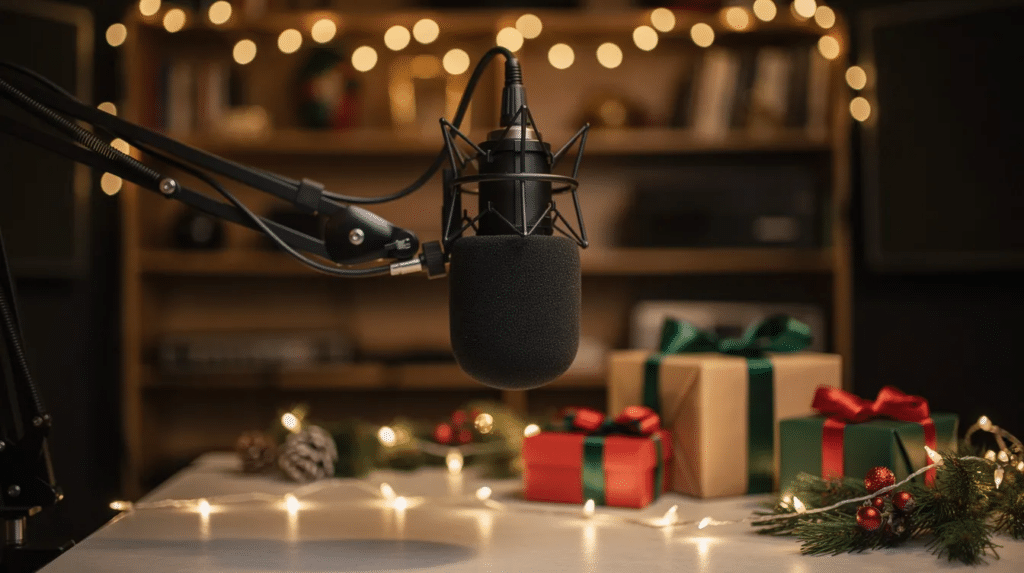
Your culture deserves to be heard – not just in your neighborhood, but across the world. Tune into the Latin American stations already streaming on Zeno.FM, enjoy the music that shaped you, and when you’re ready, start your own. The microphone is waiting. Download the app, open your browser, or ask your smart speaker. La radio lives on – and now, it has no borders.
July 10, 2026