HLS Streaming for Radio: Unlocking the Power of HLS and Why Every Broadcaster Should Make the Switch
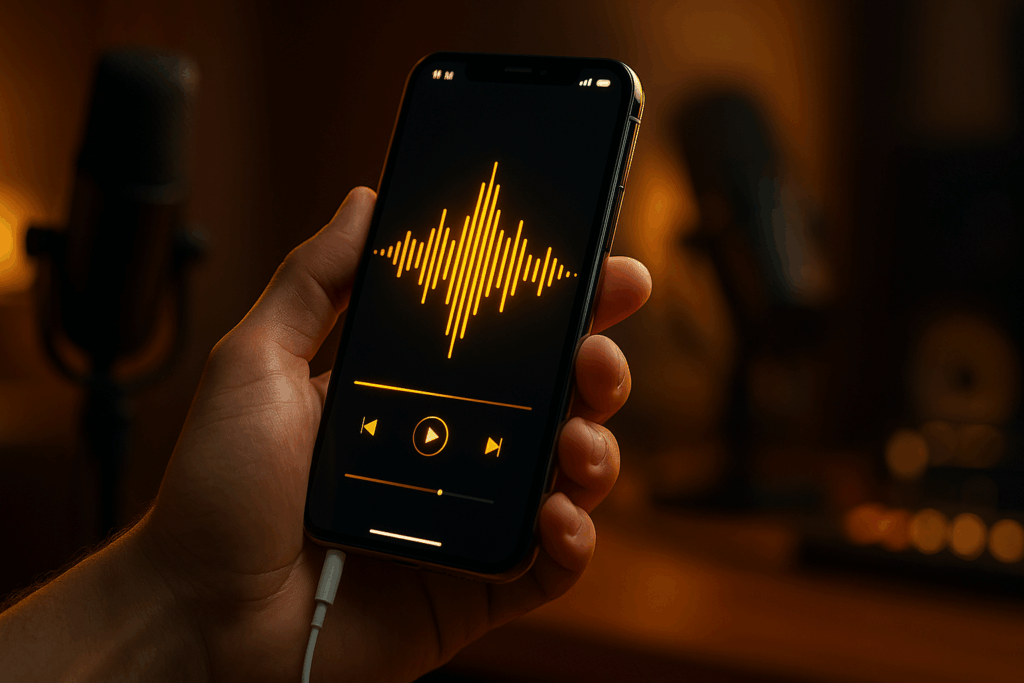
HTTP Live Streaming (HLS) is rapidly becoming the industry standard for delivering high-quality audio and video content online, supporting both live streaming and on demand delivery. At Zeno Media, we’ve officially rolled out HLS across our platform — and broadcasters are already seeing major gains in performance, reliability, and monetization.
Whether you run a radio station, a podcast, or a hybrid audio platform, understanding and implementing HLS, implemented by Apple as part of QuickTime X, can elevate your listener experience to new heights.
1. What Is HLS (HTTP Live Streaming)?
HLS (HTTP Live Streaming) is a modern media streaming protocol developed by Apple. Unlike traditional progressive downloads, HLS breaks your audio into small segments, uses a .m3u8 playlist to describe them, and delivers them one by one; those segments are typically 1 to 10 seconds long and adapt to the listener’s connection in real time.
In simple terms: it’s smarter, faster, and more flexible than legacy formats.
2. Key Features of HLS Adaptive Bitrate Streaming:
-
Segmented streaming: Files are delivered in chunks, with audio streams split into segments and uploaded to web servers or CDNs for listener access, allowing faster playback and reduced buffering.
-
Adaptive Bitrate (ABR): Audio quality adjusts on the fly based on a listener’s bandwidth using multiple bitrates, including high-quality audio down to 16kbps.
-
Cross-device support: Works on mobile, desktop, tablets, and smart devices — no extra player required, and it can scale to large audiences through standard web servers.
-
Better analytics: Get detailed playback data for every segment, unlocking deeper insights.
-
Modern ad support: Mid-roll and server-side ad insertions work more seamlessly with HLS.
3. Why Broadcasters Should Switch to HLS Streams Now
-
Faster Start Times. Your listeners no longer wait several seconds for an episode or live stream to begin. With HLS, playback is near-instant — even on slower connections, though it can introduce higher latency than traditional streaming protocols in some cases, especially as you start your own online radio station with Zeno streaming and reach audiences worldwide.
-
Fewer Stalls, Less Buffering. Segmented delivery means HLS adjusts in real time to changing network conditions, reducing server load and keeping playback smooth even in areas with weak signals. Because the player can download short audio segments as needed, it improves reliability on mobile devices in dead zones and can also help battery life, especially for stations on professional streaming plans for online radio.
-
Precision Ad Insertion. With smaller segments, ads can be placed more intelligently within your content, and HLS supports dynamic ad insertion for more personalized advertising — enabling better monetization and listener experience, particularly when combined with radio automation to run your station 24/7.
-
Granular Analytics. Measure content performance at the segment level. Know exactly where users drop off, which parts perform best, and how to improve your programming.
-
Future-Proof Format. HLS is compatible with emerging standards in podcasting and supports upcoming features like live/linear streaming and enhanced interactivity, making it an ideal backbone for podcast hosting and AI automation for live broadcasters.
4. Real-World Impact on Zeno Media
Zeno Media’s rollout of HLS is already live and available for all publishers and partners. Early adopters have reported:
-
A significant drop in buffering complaints
-
Better performance across international and low-bandwidth markets through adaptation to available bandwidth
-
Improved ad delivery and monetization metrics
-
Enhanced reliability on all devices, with stronger consistency across mobile networks where internet speed and download speed fluctuate — a critical advantage when powering radio station mobile apps for iOS and Android
5. How Zeno Media’s HLS Implementation Stands Out on Mobile Devices
Zeno’s HLS deployment is not just a technical upgrade — it’s part of a broader commitment to building the best audio infrastructure for global creators.
With segment-level telemetry, built-in adaptive bitrate logic, and support for modern ad formats, broadcasters on Zeno can now deliver a seamless, premium experience with less technical effort, from smartphones to dashboards with CarPlay and Android Auto ready radio apps. This is how adaptive bitrate streaming works on HTTP networks: the client player on the client side uses multiple encoded files for different network conditions to request segments, and player determines the right quality level from available bandwidth and device type for a smoother user experience. For example, when conditions improve it can move to a higher bitrate or higher bit rate segment, and when they do not it shifts down, which is the core of adaptive bitrate streaming.
Ready to Upgrade?
Switching to HLS on Zeno is seamless — and already available.
Don’t fall behind. Equip your station with the tools you need for better performance, modern monetization, and deeper insights. Explore Zeno Tools for access to hls streaming for radio with an hls player or audio player so hls streams can play across different devices over the internet, unlike adobe flash and some other solutions.
November 5, 2025