14 March 2026
Turkey Travel Safety Guide: Level 2 Advisory, Tourist Areas Safe, Regional Restrictions Apply
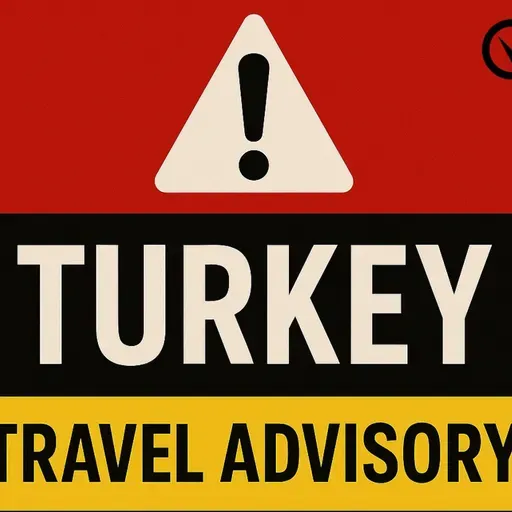
Turkey Travel Advisory
About
Turkey remains a safe destination for most travelers visiting established tourist areas, though listeners should be aware of specific regional restrictions and take standard travel precautions.
According to the U.S. Department of State's March 8, 2026 advisory, Turkey is rated Level 2, meaning travelers should exercise increased caution. The UK Foreign, Commonwealth & Development Office advises against all travel within 10 kilometers of the Syrian border due to fighting and heightened terrorism risk. Australia's Smartraveller service recommends exercising a high degree of caution overall due to the threat of terrorism.
Major tourist destinations including Istanbul, Cappadocia, Antalya, Ephesus, Pamukkale, and Bodrum operate normally with millions of visitors arriving safely each year. These areas have strong tourism infrastructure, security measures, and experienced hospitality services. According to Turkey Travel Planner, the concerning regions are located more than 17 hours by car from Istanbul, making them geographically distant from popular tourist routes.
The U.S. Embassy in Turkey warns that terrorist groups continue plotting possible attacks and may target tourist locations with little warning. Listeners should avoid travel to the Adana consular district in southeastern Turkey and any areas bordering Iran, Iraq, and Syria. The U.S. State Department strongly discourages public transportation in southeastern regions and advises that if road travel to that area is necessary, it should only occur during daylight hours on major highways.
For those visiting during Ramadan, which will occur between mid-February and mid-March in 2026, the UK travel advice notes that listeners should avoid eating, drinking, smoking, or chewing gum in public during fasting hours and should be prepared for potentially erratic driving as people travel home at dusk.
Common tourist-area crimes remain minor, including pickpocketing in crowded areas and occasional taxi scams. The U.S. State Department specifically warns about sexual assault in bathhouses, taxis, and when traveling alone at night, including incidents involving date rape drugs.
Listeners should also exercise caution with water-related activities. According to UK travel advice, drowning deaths occur annually in Turkish seas and pools, and some beaches have strong undercurrents or hidden rocks. The GOV.UK guidance emphasizes always supervising children and following local beach flag systems and lifeguard instructions.
Road safety requires attention, as driving conditions have improved significantly but accidents remain common due to reckless driving. Helmets are mandatory on motorcycles and mopeds, and drunk driving carries severe penalties including potential license confiscation for six months.
For families, solo travelers, and couples, Turkey remains welcoming. Listeners should use licensed transportation, keep valuables secure, stay in reputable accommodations, inform someone of their travel plans, and respect local customs including modest dress at religious sites. Professional tour operators and organized packages can provide additional peace of mind for those preferring structured travel experiences.
This content was created in partnership and with the help of Artificial Intelligence AI
According to the U.S. Department of State's March 8, 2026 advisory, Turkey is rated Level 2, meaning travelers should exercise increased caution. The UK Foreign, Commonwealth & Development Office advises against all travel within 10 kilometers of the Syrian border due to fighting and heightened terrorism risk. Australia's Smartraveller service recommends exercising a high degree of caution overall due to the threat of terrorism.
Major tourist destinations including Istanbul, Cappadocia, Antalya, Ephesus, Pamukkale, and Bodrum operate normally with millions of visitors arriving safely each year. These areas have strong tourism infrastructure, security measures, and experienced hospitality services. According to Turkey Travel Planner, the concerning regions are located more than 17 hours by car from Istanbul, making them geographically distant from popular tourist routes.
The U.S. Embassy in Turkey warns that terrorist groups continue plotting possible attacks and may target tourist locations with little warning. Listeners should avoid travel to the Adana consular district in southeastern Turkey and any areas bordering Iran, Iraq, and Syria. The U.S. State Department strongly discourages public transportation in southeastern regions and advises that if road travel to that area is necessary, it should only occur during daylight hours on major highways.
For those visiting during Ramadan, which will occur between mid-February and mid-March in 2026, the UK travel advice notes that listeners should avoid eating, drinking, smoking, or chewing gum in public during fasting hours and should be prepared for potentially erratic driving as people travel home at dusk.
Common tourist-area crimes remain minor, including pickpocketing in crowded areas and occasional taxi scams. The U.S. State Department specifically warns about sexual assault in bathhouses, taxis, and when traveling alone at night, including incidents involving date rape drugs.
Listeners should also exercise caution with water-related activities. According to UK travel advice, drowning deaths occur annually in Turkish seas and pools, and some beaches have strong undercurrents or hidden rocks. The GOV.UK guidance emphasizes always supervising children and following local beach flag systems and lifeguard instructions.
Road safety requires attention, as driving conditions have improved significantly but accidents remain common due to reckless driving. Helmets are mandatory on motorcycles and mopeds, and drunk driving carries severe penalties including potential license confiscation for six months.
For families, solo travelers, and couples, Turkey remains welcoming. Listeners should use licensed transportation, keep valuables secure, stay in reputable accommodations, inform someone of their travel plans, and respect local customs including modest dress at religious sites. Professional tour operators and organized packages can provide additional peace of mind for those preferring structured travel experiences.
This content was created in partnership and with the help of Artificial Intelligence AI