11 March 2026
Turkey Travel Safety 2026: Essential Tips for Istanbul, Cappadocia, and Coastal Destinations
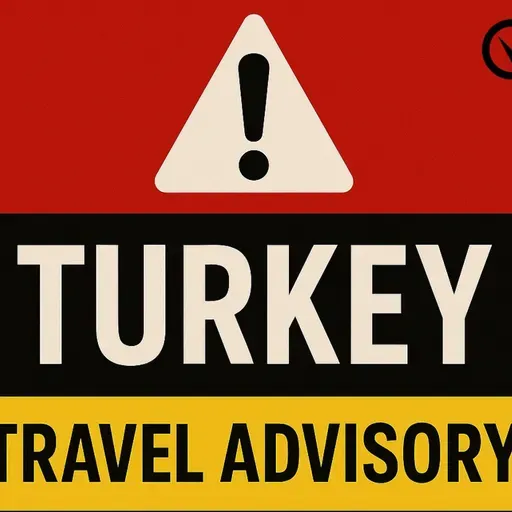
Turkey Travel Advisory
About
Turkey remains a safe and vibrant destination for most travelers in 2026, with major tourist hubs like Istanbul, Antalya, Cappadocia, and the Aegean Coast operating normally under heightened security measures, though listeners should exercise increased caution due to terrorism risks and regional tensions. The U.S. Department of State rates Turkey at Level 2: Exercise Increased Caution as of March 8, 2026, citing threats from terrorist groups that may target tourist locations with little warning, while strongly advising against travel to areas within 10 kilometers of the Syrian border, Sirnak and Hakkari provinces, and reconsidering trips to other eastern and southeastern regions like Batman, Diyarbakir, and Van due to ongoing conflict spillover, including shootings from Syria and PKK-related curfews.
The UK Foreign Office, in its March 10, 2026 update amid Iran conflict escalations, advises against all travel within 10 kilometers of the Syrian border and all but essential travel to Sirnak and Hakkari provinces, but confirms no blanket warnings for popular spots like Antalya, Dalaman, and Istanbul, where listeners are urged to stay extremely vigilant in crowded places and monitor for demonstrations that could turn violent. Australia's Smartraveller recommends a high degree of caution overall due to terrorism, with higher risks near borders, echoing U.S. and UK notes on avoiding military zones, not photographing security operations, and sticking to daylight road travel on major highways in the southeast if necessary, while discouraging public transport there.
Recent news highlights stability in tourist areas despite Middle East tensions, including U.S. and Israeli actions against Iran; The Independent reports flights to Turkey continue uninterrupted as neighboring airspace closures do not affect it, and Turkey Travel Planner notes as of March 2026 that advisories remain unchanged with tourism infrastructure robust in unaffected regions post-2023 earthquake recovery. Crime in tourist zones is low, mostly limited to pickpocketing, scams, and taxi overcharges common in global cities, per Turkey Travel's 2026 safety guide, which praises strong police presence at airports and sites; sexual assaults have occurred in hamams, taxis, or at night, sometimes involving date-rape drugs, so U.S. State Department advises carrying minimal valuables, using licensed transport, and avoiding isolated areas.
Practical precautions keep risks minimal: Ensure passports have at least six months validity and space for stamps—ordinary holders get visa-free entry up to 90 days in 180—or face denial, as per U.S. State Department; UK citizens need 150 days validity. Dress modestly at religious sites, secure items in hotel safes, use ride-sharing apps over street taxis, and buy alcohol only from licensed spots to dodge counterfeit risks noted by The Times. For solo travelers, especially women, Turkey's hospitality shines, but share plans, stick to well-lit areas, and enroll in alert programs like U.S. STEP for real-time updates.
Highways have improved dramatically with lower accident rates, though listeners should drive defensively; public transport like high-speed trains and buses is reliable in the west. Amid Iran unrest, U.S. Embassy in Iran warns of Level 4 no-travel zones near that border too, but OSAC confirms no advisory changes on March 8, 2026, with tourist destinations open. Millions visit safely yearly, blending ancient wonders, beaches, and cuisine—stay informed via official channels, follow local curfews if any, and Turkey delivers an unforgettable, secure escape.
This content was created in partnership and with the help of Artificial Intelligence AI
The UK Foreign Office, in its March 10, 2026 update amid Iran conflict escalations, advises against all travel within 10 kilometers of the Syrian border and all but essential travel to Sirnak and Hakkari provinces, but confirms no blanket warnings for popular spots like Antalya, Dalaman, and Istanbul, where listeners are urged to stay extremely vigilant in crowded places and monitor for demonstrations that could turn violent. Australia's Smartraveller recommends a high degree of caution overall due to terrorism, with higher risks near borders, echoing U.S. and UK notes on avoiding military zones, not photographing security operations, and sticking to daylight road travel on major highways in the southeast if necessary, while discouraging public transport there.
Recent news highlights stability in tourist areas despite Middle East tensions, including U.S. and Israeli actions against Iran; The Independent reports flights to Turkey continue uninterrupted as neighboring airspace closures do not affect it, and Turkey Travel Planner notes as of March 2026 that advisories remain unchanged with tourism infrastructure robust in unaffected regions post-2023 earthquake recovery. Crime in tourist zones is low, mostly limited to pickpocketing, scams, and taxi overcharges common in global cities, per Turkey Travel's 2026 safety guide, which praises strong police presence at airports and sites; sexual assaults have occurred in hamams, taxis, or at night, sometimes involving date-rape drugs, so U.S. State Department advises carrying minimal valuables, using licensed transport, and avoiding isolated areas.
Practical precautions keep risks minimal: Ensure passports have at least six months validity and space for stamps—ordinary holders get visa-free entry up to 90 days in 180—or face denial, as per U.S. State Department; UK citizens need 150 days validity. Dress modestly at religious sites, secure items in hotel safes, use ride-sharing apps over street taxis, and buy alcohol only from licensed spots to dodge counterfeit risks noted by The Times. For solo travelers, especially women, Turkey's hospitality shines, but share plans, stick to well-lit areas, and enroll in alert programs like U.S. STEP for real-time updates.
Highways have improved dramatically with lower accident rates, though listeners should drive defensively; public transport like high-speed trains and buses is reliable in the west. Amid Iran unrest, U.S. Embassy in Iran warns of Level 4 no-travel zones near that border too, but OSAC confirms no advisory changes on March 8, 2026, with tourist destinations open. Millions visit safely yearly, blending ancient wonders, beaches, and cuisine—stay informed via official channels, follow local curfews if any, and Turkey delivers an unforgettable, secure escape.
This content was created in partnership and with the help of Artificial Intelligence AI