28 February 2026
Turkey Travel 2026 Safety Guide: Level 2 Advisories, Tourist Hotspots, and Essential Precautions
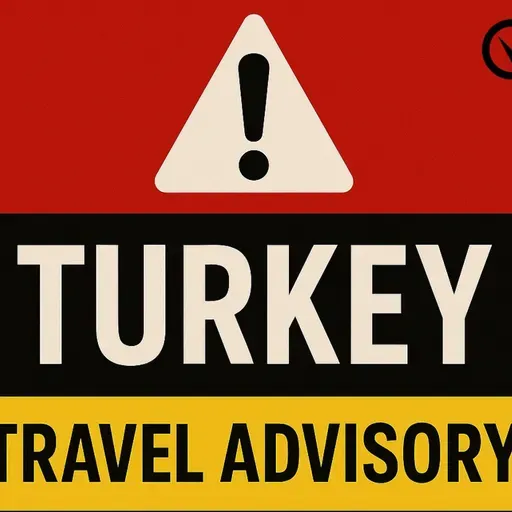
Turkey Travel Advisory
About
Turkey remains a generally safe and vibrant destination for tourists in 2026, with major hotspots like Istanbul, Cappadocia, Antalya, and Izmir drawing over 35 million visitors annually under Level 2 advisories comparable to many European cities, according to the US State Department and UK Foreign Office. Popular tourist areas operate normally with visible police patrols, strict security at airports, hotels, and attractions like Istanbul's Sultanahmet, keeping risks low as reported by Guided Istanbul Tours and Turkey Travel Planner.
Listeners planning trips should note consistent global warnings: the US State Department advises exercising increased caution nationwide due to terrorism and arbitrary detentions, with terrorists potentially targeting tourist spots, transportation hubs, markets, malls, hotels, and events with little warning. Do not travel to Sirnak province, Hakkari province, or within 10 kilometers of the Syrian or Iraq borders due to terrorism, armed clashes, drone attacks, and military activity, as echoed by the UK FCDO, Government of Canada, and Australian Smartraveller. These restricted zones are far from classic itineraries in western and southern Turkey, so sticking to routes like Istanbul-Cappadocia-Antalya keeps you 500 to 800 kilometers away from risks.
The UK GOV.UK reports elevated terrorism threats could affect busy urban centers, transport hubs, and public gatherings, urging caution in places like popular squares, concerts, and tourist sites—move away from unusual security increases or road closures. Frequent ID checks and roadblocks mean carrying your passport and visa copy at all times, approaching checkpoints slowly, especially at night when rural roads turn hazardous due to poor surfaces and reckless driving. Helmets are mandatory on motorcycles and mopeds, with severe fines or six-month license seizures for drunk driving.
Ramadan, likely starting between February 16 and 20, 2026, and lasting 29 or 30 days, calls for cultural sensitivity—avoid eating, drinking, or smoking in public during daylight to prevent offense, and seek advice from guides or hotels, per UK GOV.UK. Petty crime like pickpocketing in crowded markets and transport remains the main urban concern; use crossbody bags, secure phones, stick to main streets at night, and book licensed taxis or pre-arranged transfers via apps to avoid scams, as advised by Guided Istanbul Tours.
Solo female travelers find daytime exploration comfortable with modest dress and group tours for reassurance, while protests like those in March 2025 after Istanbul Mayor Ekrem İmamoğlu's arrest caused temporary closures in Ankara and Izmir but spared key tourist sites. Turkey's earthquake-prone status includes monitored seismic activity and updated building codes in tourist zones, per AFAD via Istanbul Tours—stay informed via embassy alerts like STEP and local media.
Health precautions cover summer heat with hydration, beach flag systems to avoid drowning from undercurrents or jellyfish, insect repellents, and handwashing in crowds. Positives include Iran's land borders reopening January 12, 2026, at three points, though fly directly to hubs instead of risky overland routes, and tourism rebounding near pre-pandemic levels with no major incidents in recent years, confirms Turkey Travel Planner. Check advisories before and upon arrival, choose central hotels near metro lines, split documents and cash, and opt for guided tours to navigate confidently and immerse in Turkey's stunning history and landscapes.
This content was created in partnership and with the help of Artificial Intelligence AI
Listeners planning trips should note consistent global warnings: the US State Department advises exercising increased caution nationwide due to terrorism and arbitrary detentions, with terrorists potentially targeting tourist spots, transportation hubs, markets, malls, hotels, and events with little warning. Do not travel to Sirnak province, Hakkari province, or within 10 kilometers of the Syrian or Iraq borders due to terrorism, armed clashes, drone attacks, and military activity, as echoed by the UK FCDO, Government of Canada, and Australian Smartraveller. These restricted zones are far from classic itineraries in western and southern Turkey, so sticking to routes like Istanbul-Cappadocia-Antalya keeps you 500 to 800 kilometers away from risks.
The UK GOV.UK reports elevated terrorism threats could affect busy urban centers, transport hubs, and public gatherings, urging caution in places like popular squares, concerts, and tourist sites—move away from unusual security increases or road closures. Frequent ID checks and roadblocks mean carrying your passport and visa copy at all times, approaching checkpoints slowly, especially at night when rural roads turn hazardous due to poor surfaces and reckless driving. Helmets are mandatory on motorcycles and mopeds, with severe fines or six-month license seizures for drunk driving.
Ramadan, likely starting between February 16 and 20, 2026, and lasting 29 or 30 days, calls for cultural sensitivity—avoid eating, drinking, or smoking in public during daylight to prevent offense, and seek advice from guides or hotels, per UK GOV.UK. Petty crime like pickpocketing in crowded markets and transport remains the main urban concern; use crossbody bags, secure phones, stick to main streets at night, and book licensed taxis or pre-arranged transfers via apps to avoid scams, as advised by Guided Istanbul Tours.
Solo female travelers find daytime exploration comfortable with modest dress and group tours for reassurance, while protests like those in March 2025 after Istanbul Mayor Ekrem İmamoğlu's arrest caused temporary closures in Ankara and Izmir but spared key tourist sites. Turkey's earthquake-prone status includes monitored seismic activity and updated building codes in tourist zones, per AFAD via Istanbul Tours—stay informed via embassy alerts like STEP and local media.
Health precautions cover summer heat with hydration, beach flag systems to avoid drowning from undercurrents or jellyfish, insect repellents, and handwashing in crowds. Positives include Iran's land borders reopening January 12, 2026, at three points, though fly directly to hubs instead of risky overland routes, and tourism rebounding near pre-pandemic levels with no major incidents in recent years, confirms Turkey Travel Planner. Check advisories before and upon arrival, choose central hotels near metro lines, split documents and cash, and opt for guided tours to navigate confidently and immerse in Turkey's stunning history and landscapes.
This content was created in partnership and with the help of Artificial Intelligence AI