What does someone living with cancer need beyond cancer treatment?
I thought I understood cancer care because my family had lived through cancer.
I sat beside my husband through chemotherapy. I knew the fear, the appointments, the uncertainty and the strange way life keeps moving while your entire family feels like it has stopped.
But my conversation with Tricia Ross made me realize there was an entire part of cancer care I hadn't really understood.
Because treating cancer and caring for a human being who has cancer aren't exactly the same thing.
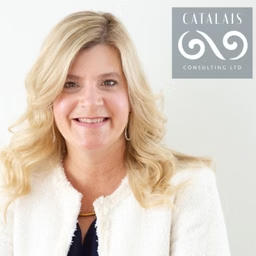
Tricia is the Director of Special Events and Community Engagement at The Ottawa Cancer Foundation, but her connection to community care began long before this role. Her career has included work with Candlelighters, supporting families affected by childhood cancer, and the Ottawa Food Bank. She's also a mom of three, a community builder and someone whose own family has been profoundly affected by cancer.
Today, much of Tricia's work is about bringing people together around a simple but enormous idea:
No one should have to face cancer alone.
The Ottawa Cancer Foundation fills an important space between medical treatment and everything cancer does to a person's life.
Through its Community Cancer Hub and Cancer System Navigation program, people affected by cancer, along with their caregivers and families, can access free support ranging from mental health and counselling to movement, nutrition, symptom management, peer connection and practical resources.
And in this conversation, I learned just how much that can matter.
Tricia and I talk about the anxiety that doesn't disappear when treatment ends, the isolation of going through something your friends may not fully understand, and the process of adjusting to a "new normal" while sometimes grieving the person you were before cancer entered your life.
We talk about the caregiver sitting beside the patient. The parent trying to explain cancer to their children. The newcomer trying to navigate an unfamiliar healthcare system. The person living outside the city. The employee who can't simply leave work for another appointment.
We also talk about something as simple as sitting around a table for lunch.
Through programs like Simmer and Social, people who understand one another's experiences can eat, talk, laugh and build relationships that sometimes extend far beyond the program itself.
Because sometimes care looks like counselling.
Sometimes it's movement or nutrition.
Sometimes it's someone helping you figure out where to go next.
And sometimes it's simply walking into a room where you don't have to explain what you're going through.
Tricia and I also talk about kindness, community, the role of joy in difficult seasons and why events like Aurora Ball and Laugh for the Cure are about much more than raising money.
Because medicine can treat cancer.
But people living with cancer need care. And so do the people who love them.
Find out more about The Ottawa Cancer Foundation here.