25 March 2026
Trump Manhattan Hush Money Trial Begins: What to Know About the Historic Case
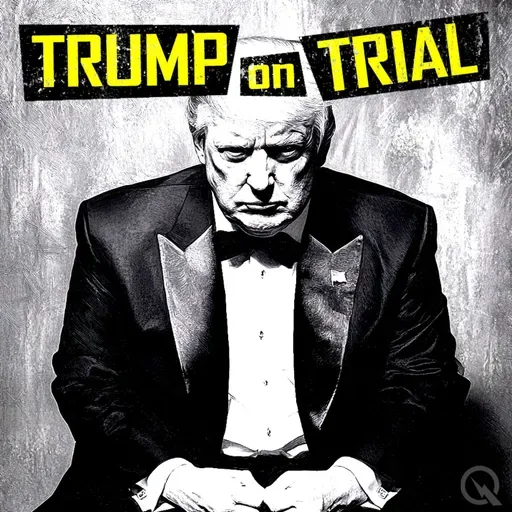
Trump on Trial
About
I never thought I'd be glued to my screen watching courtrooms turn into political battlegrounds, but here we are in the thick of it. It's March 25, 2026, and the Manhattan courtroom is buzzing as the hush money trial against Donald Trump kicks off today. Manhattan District Attorney Alvin Bragg's case, accusing Trump of falsifying business records to cover up a $130,000 payment to adult film actress Stormy Daniels right before the 2016 election, has finally begun after years of delays. ABC News reports that this trial, originally eyed for March 25, 2024, faced postponements due to appeals and overlapping federal cases, but Judge Juan Merchan is now presiding over jury selection in the New York Supreme Court.
Just yesterday, whispers from legal insiders and Politico updates reminded us how this all intertwined with bigger fights. Back in 2023, U.S. District Judge Tanya Chutkan in Washington, D.C., set Trump's federal election interference trial for March 4, 2024, rejecting his lawyers' wild push for April 2026. Trump's attorney John Lauro argued they needed time to sift through 11.5 million pages of discovery from Special Counsel Jack Smith's team—evidence including fake electors schemes, Justice Department manipulations, and attempts to sway Vice President Mike Pence on January 6, 2021. Lauro called a quick trial a "show trial," but Chutkan shot back, saying Trump had "considerable resources" and the public deserved speed. Smith's prosecutor Molly Gaston pushed for January 2024, citing Trump's "near-daily" Truth Social attacks on witnesses and the court, which could taint the D.C. jury pool.
That federal case, charging Trump with conspiracies to overturn Joe Biden's 2020 win, got tangled with others. In Florida, Judge Aileen Cannon—Trump's appointee—pushed the classified documents trial at Mar-a-Lago to May 2024, balancing Smith's December 2023 ask against defense delays. Down in Fulton County, Georgia, District Attorney Fani Willis sought March 4, 2024, for her racketeering charges against Trump, Rudy Giuliani, Mark Meadows, and David Shafer over election meddling. But appeals, including over Willis's relationship with prosecutor Nathan Wade, stalled it indefinitely.
Flash forward to now: with Trump eyeing another White House run, these trials feel like high-stakes chess. The Manhattan case today marks a rare state-level showdown he can't pardon away, unlike federal ones. Court filings from Courthouse News show Smith's team organized evidence meticulously—hundreds of thousands of pages from the National Archives, Jan. 6 Committee transcripts, and even Trump's own posts—dismissing defense claims of overload. Trump's team, including Todd Blanche, framed delays as due process, pointing to his packed calendar.
As I sip my coffee watching live feeds, it's clear these battles aren't just legal—they're reshaping history. Bragg's team argues the Daniels payment hid damaging info from voters; Trump calls it a witch hunt. With verdicts looming, the tension is electric.
Thanks for tuning in, listeners. Come back next week for more, and this has been a Quiet Please production—for more, check out Quiet Please Dot A I.
Some great Deals https://amzn.to/49SJ3Qs
For more check out http://www.quietplease.ai
This content was created in partnership and with the help of Artificial Intelligence AI
Just yesterday, whispers from legal insiders and Politico updates reminded us how this all intertwined with bigger fights. Back in 2023, U.S. District Judge Tanya Chutkan in Washington, D.C., set Trump's federal election interference trial for March 4, 2024, rejecting his lawyers' wild push for April 2026. Trump's attorney John Lauro argued they needed time to sift through 11.5 million pages of discovery from Special Counsel Jack Smith's team—evidence including fake electors schemes, Justice Department manipulations, and attempts to sway Vice President Mike Pence on January 6, 2021. Lauro called a quick trial a "show trial," but Chutkan shot back, saying Trump had "considerable resources" and the public deserved speed. Smith's prosecutor Molly Gaston pushed for January 2024, citing Trump's "near-daily" Truth Social attacks on witnesses and the court, which could taint the D.C. jury pool.
That federal case, charging Trump with conspiracies to overturn Joe Biden's 2020 win, got tangled with others. In Florida, Judge Aileen Cannon—Trump's appointee—pushed the classified documents trial at Mar-a-Lago to May 2024, balancing Smith's December 2023 ask against defense delays. Down in Fulton County, Georgia, District Attorney Fani Willis sought March 4, 2024, for her racketeering charges against Trump, Rudy Giuliani, Mark Meadows, and David Shafer over election meddling. But appeals, including over Willis's relationship with prosecutor Nathan Wade, stalled it indefinitely.
Flash forward to now: with Trump eyeing another White House run, these trials feel like high-stakes chess. The Manhattan case today marks a rare state-level showdown he can't pardon away, unlike federal ones. Court filings from Courthouse News show Smith's team organized evidence meticulously—hundreds of thousands of pages from the National Archives, Jan. 6 Committee transcripts, and even Trump's own posts—dismissing defense claims of overload. Trump's team, including Todd Blanche, framed delays as due process, pointing to his packed calendar.
As I sip my coffee watching live feeds, it's clear these battles aren't just legal—they're reshaping history. Bragg's team argues the Daniels payment hid damaging info from voters; Trump calls it a witch hunt. With verdicts looming, the tension is electric.
Thanks for tuning in, listeners. Come back next week for more, and this has been a Quiet Please production—for more, check out Quiet Please Dot A I.
Some great Deals https://amzn.to/49SJ3Qs
For more check out http://www.quietplease.ai
This content was created in partnership and with the help of Artificial Intelligence AI