24 April 2026
Episode 152 - Tinnitus and SSRI - What the new OSHU Study reveals
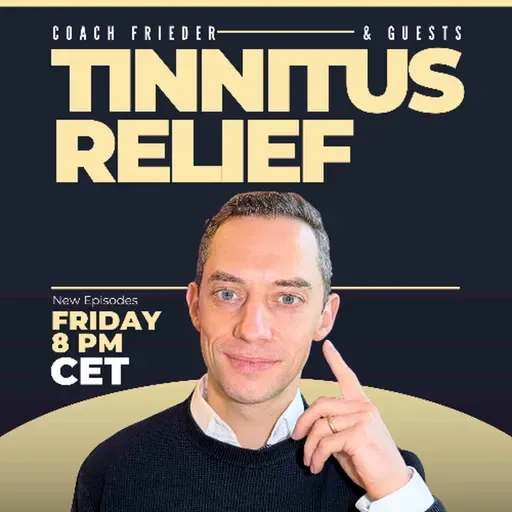
Tinnitus Relief & Habituation with Coach Frieder
About
Hey Tinnitus Friends & Family,
A new study from Oregon Health & Science University found a direct brain circuit linking serotonin to tinnitus symptoms. If you're taking antidepressants and have tinnitus, you've probably seen the headlines—and maybe felt some panic.
Here's the truth: this is good science, not a reason to stop your medication.
In this video, I break down what the research actually found, why mouse studies can't tell the whole story, and what this means if you're currently taking SSRIs. I also share my personal experience—I take SSRIs myself, and they haven't worsened my tinnitus.
**Key Takeaways:**
✅ The study found a serotonin → auditory circuit that can create tinnitus-like behavior in mice
✅ This validates what some people report, but doesn't mean SSRIs "cause" tinnitus
✅ SSRIs can be life-changing for depression and anxiety—the benefits often far outweigh risks
✅ Never stop medication without talking to your doctor
✅ Habituation works regardless of whether you're on medication
**Timestamps:**
0:00 Introduction: Who I Am (and Who I'm Not)
1:15 Why This Research Matters
2:20 What Are SSRIs?
3:40 The Study Explained: Serotonin → Auditory Circuit
5:10 How the Research Was Done (Optogenetics)
6:30 What Dr. Trussell Said About Future Treatments
7:45 My Take: What This Means for YOU
9:20 My Personal Experience with SSRIs
10:15 Bottom Line: Talk to Your Doctor
11:00 You Don't Have to Do This Alone
**Resources Mentioned:**
📊 **Take the Habituation Quiz:** https://habituate.online
🏘️ **Join My Tinnitus Club** (12-week ACT-based program):
→ Weekly group coaching sessions
→ Supportive community who actually understands
→ Practical tools for reducing tinnitus's emotional impact
→ https://mytinnitus.club
💬 **1-on-1 Coaching:** https://outringtinnitus.com
**Study Reference:**
"A discrete serotonergic circuit involved in the generation of tinnitus behavior" - PNAS, April 2024
Oregon Health & Science University + Anhui University
**Important Disclaimers:**
I'm a tinnitus coach, not a medical professional. This video is educational content, not medical advice. Never adjust or stop medication without consulting your prescribing physician. If you're experiencing depression, anxiety, or thoughts of self-harm, please seek professional help immediately.
---
**About Me:**
I'm Frieder—tinnitus coach, born deaf in my left ear, hearing aid user, and severe high-pitch tinnitus experiencer. I use Acceptance & Commitment Therapy (ACT) to help people habituate to tinnitus and reclaim their lives. I've coached 700+ people through habituation, and yes, I take SSRIs myself.
🔔 **Subscribe** for weekly tinnitus science breakdowns, success stories, and habituation strategies.
Next week: Another client success story!
---
#tinnitus #SSRIs #tinnitusrelief #antidepressants #tinnitusresearch #mentalhealth #anxiety #depression #habituation #ACT #tinnitussupport #OHSU #serotonin #brainscience #tinnitusawareness
Questions? Drop them in the comments—I'll do my best to help.
A new study from Oregon Health & Science University found a direct brain circuit linking serotonin to tinnitus symptoms. If you're taking antidepressants and have tinnitus, you've probably seen the headlines—and maybe felt some panic.
Here's the truth: this is good science, not a reason to stop your medication.
In this video, I break down what the research actually found, why mouse studies can't tell the whole story, and what this means if you're currently taking SSRIs. I also share my personal experience—I take SSRIs myself, and they haven't worsened my tinnitus.
**Key Takeaways:**
✅ The study found a serotonin → auditory circuit that can create tinnitus-like behavior in mice
✅ This validates what some people report, but doesn't mean SSRIs "cause" tinnitus
✅ SSRIs can be life-changing for depression and anxiety—the benefits often far outweigh risks
✅ Never stop medication without talking to your doctor
✅ Habituation works regardless of whether you're on medication
**Timestamps:**
0:00 Introduction: Who I Am (and Who I'm Not)
1:15 Why This Research Matters
2:20 What Are SSRIs?
3:40 The Study Explained: Serotonin → Auditory Circuit
5:10 How the Research Was Done (Optogenetics)
6:30 What Dr. Trussell Said About Future Treatments
7:45 My Take: What This Means for YOU
9:20 My Personal Experience with SSRIs
10:15 Bottom Line: Talk to Your Doctor
11:00 You Don't Have to Do This Alone
**Resources Mentioned:**
📊 **Take the Habituation Quiz:** https://habituate.online
🏘️ **Join My Tinnitus Club** (12-week ACT-based program):
→ Weekly group coaching sessions
→ Supportive community who actually understands
→ Practical tools for reducing tinnitus's emotional impact
→ https://mytinnitus.club
💬 **1-on-1 Coaching:** https://outringtinnitus.com
**Study Reference:**
"A discrete serotonergic circuit involved in the generation of tinnitus behavior" - PNAS, April 2024
Oregon Health & Science University + Anhui University
**Important Disclaimers:**
I'm a tinnitus coach, not a medical professional. This video is educational content, not medical advice. Never adjust or stop medication without consulting your prescribing physician. If you're experiencing depression, anxiety, or thoughts of self-harm, please seek professional help immediately.
---
**About Me:**
I'm Frieder—tinnitus coach, born deaf in my left ear, hearing aid user, and severe high-pitch tinnitus experiencer. I use Acceptance & Commitment Therapy (ACT) to help people habituate to tinnitus and reclaim their lives. I've coached 700+ people through habituation, and yes, I take SSRIs myself.
🔔 **Subscribe** for weekly tinnitus science breakdowns, success stories, and habituation strategies.
Next week: Another client success story!
---
#tinnitus #SSRIs #tinnitusrelief #antidepressants #tinnitusresearch #mentalhealth #anxiety #depression #habituation #ACT #tinnitussupport #OHSU #serotonin #brainscience #tinnitusawareness
Questions? Drop them in the comments—I'll do my best to help.