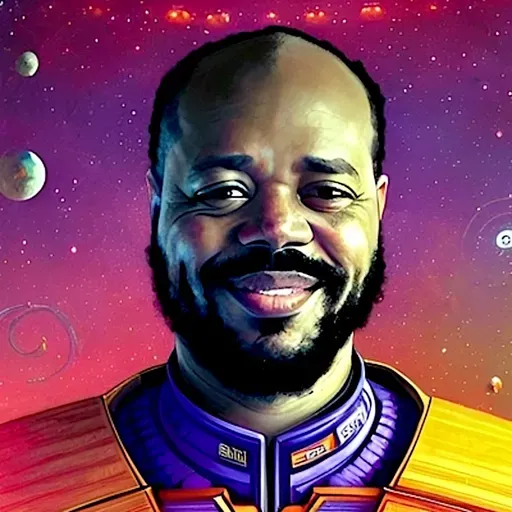
In this episode of The Xeroforhire Podcast, Jashae reflects on the strange overlap between modern media presentation, online teaching culture, and the growing confusion surrounding biblical literacy. What begins as a conversation about podcast visuals and hyper-produced video content quickly turns into a deeper examination of how people absorb information emotionally rather than contextually.
The discussion centers heavily on modern Christian discourse, especially movements like Messianic Judaism and Seventh-day Adventism that emphasize outward practices as markers of holiness. Using a viral anti-pork argument as an example, the episode breaks down how emotional appeals, selective scripture quoting, and pseudo-scientific reasoning often get blended together into persuasive but shallow theology. The episode explores how cults, false teachers, and even political movements use similar rhetorical techniques by mixing authority claims with emotional manipulation.
From there, the conversation pivots into a larger concern about “church on tape” culture. Jashae wrestles with the role of Bible teaching podcasts and livestreams, arguing that digital teaching should supplement real-world church participation rather than replace it. He reflects on the tension between wanting to address widespread theological confusion while also resisting the idea of becoming another detached internet preacher disconnected from real community.
The heart of the episode examines how much popular Christian imagery and theology actually comes from literary works rather than scripture itself. The Book of Enoch, Dante’s Inferno, Milton’s Paradise Lost, and Pilgrim’s Progress are discussed as enormously influential texts that shaped modern Christian imagination despite not being biblical canon. Jashae argues that many believers unknowingly absorb concepts from fantasy literature and later repeat them as if they were direct teachings from scripture.
The episode also reflects on the challenge of reading difficult literature in the modern age. There is an appreciation for older dense works like C.S. Lewis, A.W. Tozer, F.F. Bruce, and the classic epic poems, alongside frustration that many people confidently repeat theological concepts sourced from books they themselves could never sit down and fully read. The conversation frames this as both a literacy problem and a cultural memory problem.
Ultimately, the episode becomes a call for discernment: to examine inherited beliefs carefully, understand where ideas actually originate, and approach both scripture and culture with more intellectual honesty. Jashae closes by encouraging listeners to investigate the foundations of the arguments they accept as truth rather than passively inheriting popular narratives.
Timestamps:
00:00 – The hidden complexity of video presentation and podcast culture01:30 – Wrestling with Bible teaching and online theology02:15 – Messianic Judaism, holiness culture, and anti-pork arguments03:30 – Emotional manipulation disguised as biblical reasoning05:00 – Cult rhetoric, politics, and persuasion tactics07:10 – “Church on tape” and the limits of livestream Christianity09:30 – How fantasy literature shaped modern Christian imagination10:45 – The Book of Enoch, Dante, and Paradise Lost12:00 – Satan mythology versus actual scripture13:00 – Why these classic texts are difficult to read15:00 – Reading struggles, literacy, and theological confusion16:30 – Christian fantasy, discernment, and understanding cultural influence18:00 – Final reflections on examining inherited beliefs18:30 – “Stay holy.”
This is a public episode. If you'd like to discuss this with other subscribers or get access to bonus episodes, visit xeroforhire.substack.com/subscribe