About
CONTENTS OF THE JOHN BATCHELOR SHOW. 10-22-26
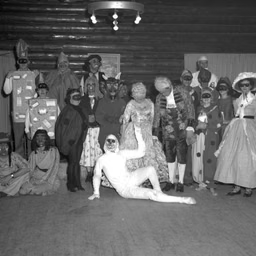
1910 ALBERTA INDEPENDENT FORESTERS COSTUME BALL
Analyzing Eurasian Conflicts And Diplomatic Proposals
Anatol Lieven discusses Russian diesel shipments opening diplomatic channels between Moscow and Washington, alongside proposed peace negotiations involving China. He analyzes Ukraine’s refusal to surrender the Donbas, dimming NATO membership prospects, and severe British defense budget constraints driven by political pressures prioritizing public healthcare and domestic welfare over military expenditure. (1)
Examining Economic Affordability Inflation And Policy
John Cochrane addresses American misconceptions regarding affordability and inflation, criticizing populist demands for price controls and government subsidies. He highlights higher American living standards compared to Europe while arguing that sustainable price stability requires federal fiscal discipline, entitlement reforms, and curbing runaway deficit spending to defeat persistent underlying inflationary pressures. (2)
Dismantling Shadow Fleets Through Market Incentives
Miad Maleki examines illicit oil transport networks dodging sanctions through Iran and Russia’s shadow fleet of tankers. He proposes a market solution: allowing legitimate Western companies to purchase these vessels, integrate them into transparent commerce, and lower oil transport insurance costs through the strategic Strait of Hormuz maritime shipping corridor. (3)
Tracking Russian Space Maneuvering Satellite Operations
Anatoly Zak and David Livingston: Zak discusses mysterious Russian military satellite launches from Plesetsk, highlighting orbital maneuvers that brought an inspector satellite close to a Finnish radar spacecraft supporting Ukraine. They also analyze Russia’s deployment of a low Earth orbit satellite communications network serving defense and commercial rail transport infrastructure needs. (4)
Reevaluating Lord Dunmore In Revolutionary Virginia
Andrew Lawler, author of A Perfect Frenzy: What You Don’t Know About the American Revolution: Lawler discusses Lord Dunmore, Virginia’s last royal governor, whose escalation with colonial planters stemmed from western land speculation rather than tea taxes. Following a gunpowder dispute, Dunmore issued a historic emancipation proclamation granting freedom to enslaved individuals joining British forces, dramatically reshaping military recruitment dynamics across revolutionary American colonies. (5)
Funding Challenges At Chemical Weapons Watchdog
Andrea Stricker warns that potential U.S. budget cuts and funding delays threaten the Organization for the Prohibition of Chemical Weapons. She emphasizes the organization’s crucial mission investigating chemical warfare and dismantling illicit stockpiles in Syria, Ukraine, and Sudan, cautioning that withholding statutory dues severely impairs global nonproliferation monitoring security operations. (6)
Analyzing Wealth Taxation Failures In California
Veronique de Rugy critiques California’s proposed Proposition 40 billionaires wealth tax, drawing direct parallels to fiscal troubles in France. She explains that European wealth taxes failed due to administrative complexity and capital flight, arguing California’s measure will erode existing income tax bases rather than solve persistent structural state budget deficits. (7)
French Religious Resurgence And Canadian Politics
Conrad Black reflects on Pope Leo’s Paris visit, contrasting massive peaceful Catholic gatherings with recent Frenchcivil unrest. Turning to Canada, he notes Quebec’s historical aversion to street violence and analyzes Alberta’s decisive vote against separation, attributed to recent federal pipeline approvals supporting energy infrastructure and broader national economic interests. (8)
Examining Global Demographic Decline Economic Consequences
Mary Anastasia O’Grady examines falling global fertility rates below replacement levels across both developed and developing nations. She discusses underlying social drivers including delayed marriage, career shifts, and social safety nets, warning that eventual global population shrinkage will create severe fiscal strains on entitlement programs like Medicare and Social Security. (9)