About
By Joanna Bogle
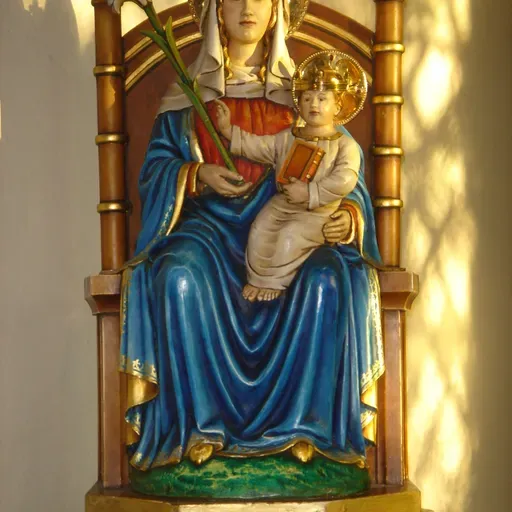
This summer, as in so many summers past, I will be making a pilgrimage to Walsingham. This Norfolk village is the home of England's national shrine to Our Lady, and I'll be on a coach from London, and telling the story of the shrine along the way.
One result of our country's complicated history is that many Catholics – here at home but also abroad – don't know the story of some of our ancient shrines, abbeys, and churches. Better known is the modern story that starts with Henry VIII's destruction in the 1530s, with resulting horror and heroism, and the poignant – and it has to be said, hauntingly beautiful – sight of great ruined arches standing amid glorious and silent countryside.
The Walsingham story starts with the vision of a lady – her name has come down to us as Richeldis – living in this part of Norfolk, some six miles from the sea – in the 11th century. The year is 1061 and it is a time of uncertainty. Who will be the next king?
Edward the Confessor has no heir. There are rumors that the throne has been promised to William of Normandy. Meanwhile Christendom itself feels threatened. The Moslem religion has swept across what were once the Christian heartlands of the Middle East, and the Holy Land, where Christ Himself lived and walked, may soon be in their hands. Pilgrimages which have been taking place for centuries are now dangerous.
In the vision, Richeldis heard Our Lady ask that her house, the holy house at Nazareth, be rebuilt in Walsingham. Richeldis set about the task – she had been given the exact specifications – but the workmen struggled to make the measurements work. Nothing seemed to fit. They retired to rest after some grueling days with the thing unfinished. That night, all slept soundly. The next morning, the sun rose on a perfectly completed house.
Down through all the following years – through the Norman Conquest and up to the 16th century – pilgrims flocked to Walsingham, filling the lanes and highways summer after summer. The village flourished – a great Priory was built, in addition to a Franciscan house, and of course many taverns welcoming travelers from across Europe.
Then came the destruction under Henry, and long years of abandonment and silence, and then the restoration – initiated by a local Anglican vicar – and the new story began.
Traveling in a coach is the main way modern pilgrims reach Walsingham: there is no railway station. Much more enjoyable is a walking pilgrimage with overnight stays in pleasant villages and glorious walks down country lanes.
I have done it in traditional style – sleeping on the floors of church halls and so on – and also in greater comfort, with overnight stays in comfortable rooms. Like so many other pilgrims, I have memories of prayers said in wooded glades and picnics in sunny meadows – and the sense of triumph on arrival, especially if the timing has worked and we arrive at the main Pilgrim Mass on a Sunday, sore feet forgotten as we join in rousing hymns and grateful prayers.
I've also attended some of the great events held at Walsingham over recent years – the big New Dawn gatherings with hundreds of families camping in the neighboring fields, the Youth 2000 pilgrimages with a new generation beginning the fresh evangelization of our country at the start of a new Millennium.
And I've been at Walsingham as coaches arrive from parishes or dioceses or from various ethnic groups – notably the Tamil pilgrimage with delicious food cooked on arrival and generously offered to all.
But my main reason for writing about all this for an American Catholic readership is something specific, in this year when America is marking its 250th anniversary.
As our coach makes its way from London to Walsingham through Cambridgeshire, we will effectively pass a little bit of America on the way. Not literally – the stretch of land is British sovereign territory.
But at one point the great Stars and Stripes flaps against the sky, and the gateway leads you along wide...
This summer, as in so many summers past, I will be making a pilgrimage to Walsingham. This Norfolk village is the home of England's national shrine to Our Lady, and I'll be on a coach from London, and telling the story of the shrine along the way.
One result of our country's complicated history is that many Catholics – here at home but also abroad – don't know the story of some of our ancient shrines, abbeys, and churches. Better known is the modern story that starts with Henry VIII's destruction in the 1530s, with resulting horror and heroism, and the poignant – and it has to be said, hauntingly beautiful – sight of great ruined arches standing amid glorious and silent countryside.
The Walsingham story starts with the vision of a lady – her name has come down to us as Richeldis – living in this part of Norfolk, some six miles from the sea – in the 11th century. The year is 1061 and it is a time of uncertainty. Who will be the next king?
Edward the Confessor has no heir. There are rumors that the throne has been promised to William of Normandy. Meanwhile Christendom itself feels threatened. The Moslem religion has swept across what were once the Christian heartlands of the Middle East, and the Holy Land, where Christ Himself lived and walked, may soon be in their hands. Pilgrimages which have been taking place for centuries are now dangerous.
In the vision, Richeldis heard Our Lady ask that her house, the holy house at Nazareth, be rebuilt in Walsingham. Richeldis set about the task – she had been given the exact specifications – but the workmen struggled to make the measurements work. Nothing seemed to fit. They retired to rest after some grueling days with the thing unfinished. That night, all slept soundly. The next morning, the sun rose on a perfectly completed house.
Down through all the following years – through the Norman Conquest and up to the 16th century – pilgrims flocked to Walsingham, filling the lanes and highways summer after summer. The village flourished – a great Priory was built, in addition to a Franciscan house, and of course many taverns welcoming travelers from across Europe.
Then came the destruction under Henry, and long years of abandonment and silence, and then the restoration – initiated by a local Anglican vicar – and the new story began.
Traveling in a coach is the main way modern pilgrims reach Walsingham: there is no railway station. Much more enjoyable is a walking pilgrimage with overnight stays in pleasant villages and glorious walks down country lanes.
I have done it in traditional style – sleeping on the floors of church halls and so on – and also in greater comfort, with overnight stays in comfortable rooms. Like so many other pilgrims, I have memories of prayers said in wooded glades and picnics in sunny meadows – and the sense of triumph on arrival, especially if the timing has worked and we arrive at the main Pilgrim Mass on a Sunday, sore feet forgotten as we join in rousing hymns and grateful prayers.
I've also attended some of the great events held at Walsingham over recent years – the big New Dawn gatherings with hundreds of families camping in the neighboring fields, the Youth 2000 pilgrimages with a new generation beginning the fresh evangelization of our country at the start of a new Millennium.
And I've been at Walsingham as coaches arrive from parishes or dioceses or from various ethnic groups – notably the Tamil pilgrimage with delicious food cooked on arrival and generously offered to all.
But my main reason for writing about all this for an American Catholic readership is something specific, in this year when America is marking its 250th anniversary.
As our coach makes its way from London to Walsingham through Cambridgeshire, we will effectively pass a little bit of America on the way. Not literally – the stretch of land is British sovereign territory.
But at one point the great Stars and Stripes flaps against the sky, and the gateway leads you along wide...