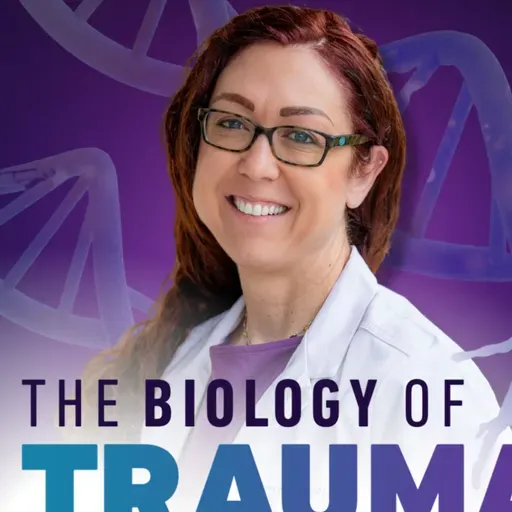
Is Being "Good" a Trauma Response? The Biology of Proving Worth
The Biology of Trauma® With Dr. Aimie
➡️ Get the full show notes and episode breakdown at Biology of Trauma® Podcast - Is the Need to Always Be “Good” a Trauma Response?
What does your body do with guilt it can never undo?
Have you ever done everything right — and still felt something unresolved living in your body?
Maybe it's not a dramatic story. Maybe it's just a moment you can't stop replaying. A decision you can't forgive yourself for. A version of you that acted against your own values — and your nervous system never got the memo that it's over.
That's what this episode is about.
Gregg Ward accidentally took someone's life at 18. For 46 years, it lived in his body — flushed skin, tense shoulders, a loop that no amount of success, service, or self-improvement could stop. In this conversation with Dr. Aimie, he shares what moral injury actually is, why the body keeps reliving a story with no ending, and how movement became his nervous system's path through what therapy alone couldn't reach.
This is not a story about grief resolved. It's a story about grief metabolized. And the moment the burden finally lifted — not when the pain disappeared, but when the purpose stopped being about him.
If something in you has never fully quieted — no matter how much work you've done — this conversation was made for you.
Gregg Ward is the founder and Executive Director of the Center for Respectful Leadership. He is a global speaker, thought leader, and bestselling author. Gregg’s TEDx San Diego talk has been selected for TED Global publication.
Resources/Guides:
Centerforrespectfulleadership.org — Gregg Ward — Center for Respectful Leadership
Confessions of An Accidental Killer — Gregg Ward — TEDx San Diego
hyacinthfellowship.org — Hyacinth Fellowship
The Biology of Trauma®Book by Dr. Aimie Apigian — Where you can read Section 2 — starting with chapter 6 which explains the mechanism by which the body keeps score, even of regret.
Free Guide: Steps to Identify and Heal Trauma by Dr. Aimie Apigian
Related Podcast Episodes:
Episode 35: 5 Ways How Polyvagal Theory Helps With Trauma Work with Stephen Porges
Episode 76: Polyvagal Theory: Become an Active Operator of Your Nervous System During Grief with Deb Dana
Episode 114: The Science Behind Why We Can't 'Get Over' Loss And How to Grieve with Dr. Mary-Frances O'Connor
Episode 124: Grief and Gut Health: Is It Just Emotional or Something More?
Episode 126: Neuroception Explained: How Your Nervous System Decides What's Safe and Why It Matters for Healing
Episode 127: Why Your Body Is Wired for Danger: Understanding Trauma's Impact on Your Nervous System
Episode 135: The Hidden Difference Between Stress and Trauma In How The Body Keeps Score
Episode 138: Why Your Body Holds On When Your Mind Has Healed with Dr. Aimie Apigian