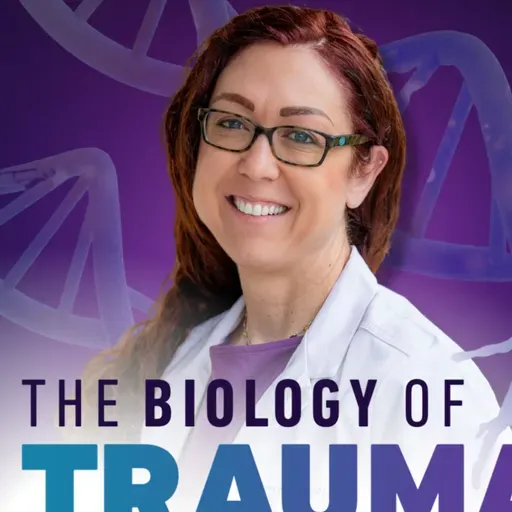
Dopamine and Depression: The Metabolic Link You Need to Know
The Biology of Trauma® With Dr. Aimie
➡️ Get the full episode breakdown at Biology of Trauma® Podcast - Episode 161: Dopamine and Depression: The Metabolic Link You Need to Know
Dopamine doesn't just create pleasure. It signals unexpected experiences and primes the brain to learn. New research reveals that depression, anxiety, and ADHD have different metabolic phenotypes. Understanding your unique metabolic footprint explains why standard treatments work for some and not others. Mental health and metabolic health are inseparable.
In This Episode You'll Learn:
[01:00] How does peripheral nerve stimulation affect dopamine in the brain?
[06:30] Does dopamine actually make you feel good?
[13:00] What is the real function of dopamine in learning and memory?
[15:30] How does trauma change the way we perceive reality?
[22:00] What are metabolic phenotypes in mental health conditions?
[27:00] Why does the same diagnosis look different in different people?
[33:00] How are metabolism, hormones, and mental health connected?
[37:00] What role does the hypothalamus play in emotional and metabolic regulation?
[44:00] Why do negative experiences affect us more than positive ones?
[47:00] What does anchoring to something unchangeable mean for recovery?
Resources/Guides:
- Learn more about Dr. Kyle Bills' ResearchThe NeuroNova Seat: Dopamine-releasing neuromodulation device.Year-long Biology of Trauma® immersion program with coursework on stress, grief, attachment, letting go, freeze, and neuroplasticity. Available for self-help individuals and practitioners seeking certification.Foundational Journey — Six weeks to clean up your internal environment so repair becomes possible. This is where we create the conditions for cellular healing. Prerequisite for the Year of Transformation program.The Biology of Trauma book — Get your copy here
Related Podcast Episodes:
- Episode 5: How Genetics & Epigenetics Affect In-Utero Development (Part 1) with Dr. William Walsh Episode 6: The Role of Methylation & Epigenetics in Mental Health Outcomes (Part 2) with William Walsh