16 March 2026
Little Bighorn — La última batalla de Custer | Misterios Exóticos
MISTERIOS EXÓTICOS con Mark Schindler
About
Little Bighorn — La última batalla de Custer | Misterios Exóticos
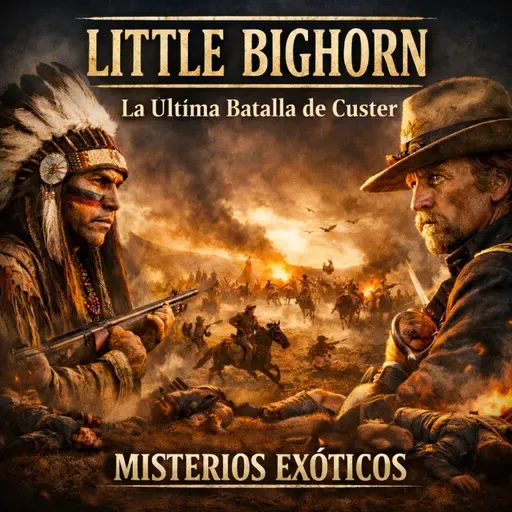
El 25 de junio de 1876, en las onduladas praderas del territorio que hoy pertenece al estado de Montana, tuvo lugar uno de los episodios más extraordinarios y simbólicos de la historia del Oeste norteamericano: la batalla de Little Bighorn.
Aquella jornada enfrentó a dos mundos destinados a colisionar. Por un lado, el Séptimo Regimiento de Caballería del ejército de los Estados Unidos, dirigido por el ambicioso teniente coronel George Armstrong Custer. Por otro, una vasta alianza de pueblos indígenas de las Grandes Llanuras —lakotas, cheyennes y arapahoes— reunidos en defensa de su forma de vida ancestral bajo el liderazgo espiritual de Toro Sentado y la audacia militar de Caballo Loco.
Durante décadas, la memoria oficial de los Estados Unidos presentó Little Bighorn como una catástrofe militar inesperada. Sin embargo, contemplada desde la perspectiva de las naciones indígenas, aquella batalla representa algo muy distinto: la última gran afirmación de autonomía y dignidad frente al avance inexorable de la expansión estadounidense.
En este episodio de Misterios Exóticos nos adentramos en la compleja trama histórica que condujo a ese enfrentamiento decisivo. Más allá de la figura de Custer o de la espectacularidad del combate, exploramos el profundo trasfondo cultural, político y espiritual que definió aquel momento: el choque entre dos concepciones radicalmente distintas del territorio, de la libertad y del destino.
A través de crónicas, testimonios y reconstrucciones históricas, recorreremos las horas que transformaron las colinas de Little Bighorn en escenario de una de las páginas más intensas del siglo XIX americano.
Porque si algo dejó aquella jornada inscrito en la memoria de la historia no fue únicamente la derrota de un ejército, sino la afirmación solemne de un pueblo decidido a defender su tierra, su cultura y su identidad incluso frente a las fuerzas más poderosas de su tiempo.
English (US) Description
Little Bighorn — Custer’s Last Battle | Misterios Exóticos
On June 25, 1876, across the rolling plains of what is now the state of Montana, one of the most remarkable and symbolically powerful episodes in the history of the American West unfolded: the Battle of Little Bighorn.
That day marked the dramatic encounter between two worlds moving toward an inevitable collision. On one side stood the Seventh Cavalry Regiment of the United States Army, led by the ambitious Lieutenant Colonel George Armstrong Custer. On the other stood a vast alliance of Indigenous nations of the Great Plains—Lakota, Cheyenne, and Arapaho—gathered in defense of their ancestral way of life under the spiritual leadership of Sitting Bull and the bold military command of Crazy Horse.
For generations, the official narrative within the United States portrayed Little Bighorn primarily as an unexpected military disaster. Yet viewed from the perspective of the Indigenous nations of the Plains, the battle carries a profoundly different meaning: it stands as the final great assertion of autonomy, resistance, and cultural dignity in the face of the relentless advance of American expansion.
In this episode of Exotic Mysteries, we journey back into the historical landscape that gave rise to this decisive confrontation. Beyond the dramatic fall of Custer or the spectacle of the battle itself, we explore the deeper cultural, political, and spiritual forces that shaped the conflict—two radically different visions of land, freedom, and destiny meeting on the same horizon.
Drawing on historical accounts, testimonies, and scholarly reconstructions, we revisit the crucial hours that transformed the hills along the Little Bighorn River into the stage of one of the most powerful chapters of nineteenth-century American history.
For what ultimately echoes through time from that day is not merely the defeat of a regiment, but the enduring affirmation of a people determined to defend their land, their culture, and their identity—even against the overwhelming currents of history.
El 25 de junio de 1876, en las onduladas praderas del territorio que hoy pertenece al estado de Montana, tuvo lugar uno de los episodios más extraordinarios y simbólicos de la historia del Oeste norteamericano: la batalla de Little Bighorn.
Aquella jornada enfrentó a dos mundos destinados a colisionar. Por un lado, el Séptimo Regimiento de Caballería del ejército de los Estados Unidos, dirigido por el ambicioso teniente coronel George Armstrong Custer. Por otro, una vasta alianza de pueblos indígenas de las Grandes Llanuras —lakotas, cheyennes y arapahoes— reunidos en defensa de su forma de vida ancestral bajo el liderazgo espiritual de Toro Sentado y la audacia militar de Caballo Loco.
Durante décadas, la memoria oficial de los Estados Unidos presentó Little Bighorn como una catástrofe militar inesperada. Sin embargo, contemplada desde la perspectiva de las naciones indígenas, aquella batalla representa algo muy distinto: la última gran afirmación de autonomía y dignidad frente al avance inexorable de la expansión estadounidense.
En este episodio de Misterios Exóticos nos adentramos en la compleja trama histórica que condujo a ese enfrentamiento decisivo. Más allá de la figura de Custer o de la espectacularidad del combate, exploramos el profundo trasfondo cultural, político y espiritual que definió aquel momento: el choque entre dos concepciones radicalmente distintas del territorio, de la libertad y del destino.
A través de crónicas, testimonios y reconstrucciones históricas, recorreremos las horas que transformaron las colinas de Little Bighorn en escenario de una de las páginas más intensas del siglo XIX americano.
Porque si algo dejó aquella jornada inscrito en la memoria de la historia no fue únicamente la derrota de un ejército, sino la afirmación solemne de un pueblo decidido a defender su tierra, su cultura y su identidad incluso frente a las fuerzas más poderosas de su tiempo.
English (US) Description
Little Bighorn — Custer’s Last Battle | Misterios Exóticos
On June 25, 1876, across the rolling plains of what is now the state of Montana, one of the most remarkable and symbolically powerful episodes in the history of the American West unfolded: the Battle of Little Bighorn.
That day marked the dramatic encounter between two worlds moving toward an inevitable collision. On one side stood the Seventh Cavalry Regiment of the United States Army, led by the ambitious Lieutenant Colonel George Armstrong Custer. On the other stood a vast alliance of Indigenous nations of the Great Plains—Lakota, Cheyenne, and Arapaho—gathered in defense of their ancestral way of life under the spiritual leadership of Sitting Bull and the bold military command of Crazy Horse.
For generations, the official narrative within the United States portrayed Little Bighorn primarily as an unexpected military disaster. Yet viewed from the perspective of the Indigenous nations of the Plains, the battle carries a profoundly different meaning: it stands as the final great assertion of autonomy, resistance, and cultural dignity in the face of the relentless advance of American expansion.
In this episode of Exotic Mysteries, we journey back into the historical landscape that gave rise to this decisive confrontation. Beyond the dramatic fall of Custer or the spectacle of the battle itself, we explore the deeper cultural, political, and spiritual forces that shaped the conflict—two radically different visions of land, freedom, and destiny meeting on the same horizon.
Drawing on historical accounts, testimonies, and scholarly reconstructions, we revisit the crucial hours that transformed the hills along the Little Bighorn River into the stage of one of the most powerful chapters of nineteenth-century American history.
For what ultimately echoes through time from that day is not merely the defeat of a regiment, but the enduring affirmation of a people determined to defend their land, their culture, and their identity—even against the overwhelming currents of history.