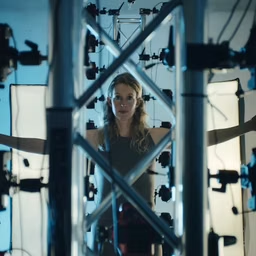
“You Can See Everything” is a film that opened to sold out theaters across the nation on its very first weekend.
Beware of universal quantifiers, like seeing everything, or as in “I have never told a lie” which phrase coming from the mouth of Elizabeth Holmes inspired universal laughter in the audience. This so-called documentary about Elizabeth Holmes filmed during the last month of her freedom before reporting for incarceration is directed by Nathan Fielder and Lance Oppenheim. It is also drawing impressive, off-the-charts accolades like flies to, well, you know…
And frankly, the topic is stinky.
A reasonable person could think that the public should be done with Elizabeth Holmes. She’s been tried in a court of law and sentenced. Her fraudulent behavior has been documented in books, countless articles, damning podcasts, and a powerful mini-series starring Amanda Seyfried.
If you believe Elizabeth Holmes is a self-serving, manipulative, liar who is unwilling to own even a molecule of responsibility for defrauding investors and endangering lives, this film has nothing new to tell you. But, if you would like to witness her double-down on her sociopathic behavior while opening her big baby blues while insisting on her victimhood–all the while being surrounded by an enabling, disturbed partner, well, you’re going to love it.
What makes this film interesting is its context and execution. I went in cold, so I had no idea that Nathan Fielder is a director known for absurdist comedy. The film indicates that Holmes reached out to him, inviting him into her home for unfettered 24/7 access to every aspect of her life, which is interesting, right? Did she think a serious documentarian would be too searching? Did she not know that comedians offer some of the most piercing and effective social commentary out there?
I had the feeling most audience members already knew and appreciated Fielder’s work, because from the first moments they were laughing every time he lurked into the frame, which he did often throughout the film, his face reflecting the doubt and confusion inspired by Holmes and her longtime partner Billy Evans. Fielder is every bit a character in this incredibly uncomfortable movie that may have you squirming in your seat, mouth agog, like so many audience members I witnessed over the course of three long hours.
Midway through, the story takes a refreshing and kind of mind-blowing turn that only really creative directors could come up with, which is perhaps why many critics are crying “Oscar!” from between their lines of profuse praise.
This movie struck me less as documentary and more like Reality TV, with all the deliberate manipulation inherent to the form. That so many are so effusive in their praise for this film points to the American hunger for such melodrama.
I would hope that America would be getting tired of even contemplating second chances for destructive narcissists, but, apparently not. It’s a real ride, and if you have three hours to spare, you may want to grab your popcorn and settle in at the movies.
For KSQD’ Film Gang: Christine Barrington