16 August 2026
EP-307|🧠 SLEEP & HORMONE CYCLE ঘুম ও হরমোনের চক্র: শরীরের ২৪ ঘণ্টার গোপন সিস্টেম| wellness podcast
Jontrona Tonic: The Omega-3 Kitchen( জন্ত্র টনিক: ওমেগা-৩ রান্নাঘর)
About
💤 SLEEP & HORMONE CYCLE :
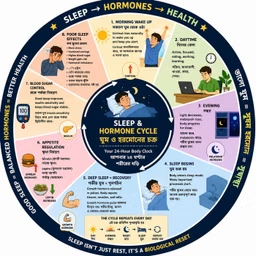
Step 1 — Body Has a 24-Hour ClockEnglish: Our body has an internal 24-hour clock (circadian rhythm). It helps decide when we should be awake and when we should sleep.
বাংলা: আমাদের শরীরে একটি ২৪ ঘণ্টার internal clock (circadian rhythm) আছে। এটি ঠিক করতে সাহায্য করে কখন আমরা জাগব এবং কখন ঘুমাব।
⬇️Step 2 — Daytime = Alert Mode ☀️English: During the day, the body becomes more alert. Cortisol naturally rises around the morning and helps us wake up and stay active.
বাংলা: দিনের বেলা শরীর বেশি সক্রিয় থাকে। সকালের দিকে cortisol স্বাভাবিকভাবে বাড়ে, যা আমাদের ঘুম থেকে উঠতে ও সক্রিয় থাকতে সাহায্য করে।
⬇️Step 3 — Evening = Sleep Preparation 🌙English: As darkness comes, the brain starts preparing the body for sleep. Melatonin increases, helping signal that it is nighttime.
বাংলা: সন্ধ্যা ও অন্ধকার নামলে মস্তিষ্ক শরীরকে ঘুমের জন্য প্রস্তুত করতে শুরু করে। Melatonin বাড়ে, যা শরীরকে রাতের সংকেত দেয়।
⬇️Step 4 — Sleep Begins 😴English: We fall asleep. During sleep, the body doesn't simply "switch off." Many important biological processes continue.
বাংলা: আমরা ঘুমিয়ে পড়ি। ঘুমের সময় শরীর শুধু "বন্ধ" থাকে না। শরীরের ভিতরে অনেক গুরুত্বপূর্ণ কাজ চলতে থাকে।
⬇️Step 5 — Deep Sleep = Recovery 🛠️English: During deep sleep, the body supports recovery and repair. Growth hormone is released in important pulses, especially during deep sleep.
বাংলা: গভীর ঘুমের সময় শরীর recovery ও repair-এর কাজকে সমর্থন করে। বিশেষ করে deep sleep-এর সময় growth hormone-এর গুরুত্বপূর্ণ pulse হয়।
⬇️Step 6 — Sleep Helps Control Hunger 🍔English: Sleep also affects hunger-related hormones such as ghrelin and leptin. Poor sleep can disturb appetite regulation and make you feel hungrier.
বাংলা: ঘুম ghrelin ও leptin-এর মতো hunger-related hormones-কেও প্রভাবিত করে। কম ঘুম হলে ক্ষুধা নিয়ন্ত্রণে সমস্যা হতে পারে এবং বেশি খিদে লাগতে পারে।
⬇️Step 7 — Sleep Supports Blood Sugar Control 🍚English: Adequate sleep supports normal insulin sensitivity and glucose regulation. Repeated poor sleep can make blood-sugar regulation more difficult.
বাংলা: পর্যাপ্ত ঘুম insulin sensitivity ও blood sugar regulation-কে স্বাভাবিক রাখতে সাহায্য করে। বারবার কম ঘুম হলে blood sugar নিয়ন্ত্রণ কঠিন হতে পারে।
⬇️Step 8 — Poor Sleep Can Disturb the Cycle ⚠️English: If we repeatedly sleep too little, hormonal rhythms can become disrupted. Stress regulation, appetite and metabolism may all be affected.
বাংলা: বারবার কম ঘুম হলে hormonal rhythm ব্যাহত হতে পারে। এর ফলে stress regulation, ক্ষুধা এবং metabolism প্রভাবিত হতে পারে।
⬇️Step 9 — Stress Can Also Affect Sleep 😰English: The relationship works both ways. Stress can make sleep difficult, while poor sleep can make it harder to regulate stress.Stress → Poor Sleep → Hormonal Disruption → More Difficulty Managing Stressবাংলা: এই সম্পর্কটি দুই দিকের। Stress-এর কারণে ঘুমের সমস্যা হতে পারে, আবার কম ঘুম হলে stress নিয়ন্ত্রণ করাও কঠিন হতে পারে।Stress → খারাপ ঘুম → Hormonal imbalance → Stress সামলানো আরও কঠিন
🧠 ONE-LINE MEMORYSleep ↔ HormonesEnglish: Good sleep helps hormonal regulation, and hormonal rhythms help regulate sleep.বাংলা: ভালো ঘুম hormone regulation-কে সাহায্য করে, আর hormonal rhythm ঘুম নিয়ন্ত্রণে সাহায্য করে।
Become a supporter of this podcast: https://www.spreaker.com/podcast/jontrona-tonic-the-omega-3-kitchen-jantra-tanika-omega-3-rannaghara--6678814/support.
Step 1 — Body Has a 24-Hour ClockEnglish: Our body has an internal 24-hour clock (circadian rhythm). It helps decide when we should be awake and when we should sleep.
বাংলা: আমাদের শরীরে একটি ২৪ ঘণ্টার internal clock (circadian rhythm) আছে। এটি ঠিক করতে সাহায্য করে কখন আমরা জাগব এবং কখন ঘুমাব।
⬇️Step 2 — Daytime = Alert Mode ☀️English: During the day, the body becomes more alert. Cortisol naturally rises around the morning and helps us wake up and stay active.
বাংলা: দিনের বেলা শরীর বেশি সক্রিয় থাকে। সকালের দিকে cortisol স্বাভাবিকভাবে বাড়ে, যা আমাদের ঘুম থেকে উঠতে ও সক্রিয় থাকতে সাহায্য করে।
⬇️Step 3 — Evening = Sleep Preparation 🌙English: As darkness comes, the brain starts preparing the body for sleep. Melatonin increases, helping signal that it is nighttime.
বাংলা: সন্ধ্যা ও অন্ধকার নামলে মস্তিষ্ক শরীরকে ঘুমের জন্য প্রস্তুত করতে শুরু করে। Melatonin বাড়ে, যা শরীরকে রাতের সংকেত দেয়।
⬇️Step 4 — Sleep Begins 😴English: We fall asleep. During sleep, the body doesn't simply "switch off." Many important biological processes continue.
বাংলা: আমরা ঘুমিয়ে পড়ি। ঘুমের সময় শরীর শুধু "বন্ধ" থাকে না। শরীরের ভিতরে অনেক গুরুত্বপূর্ণ কাজ চলতে থাকে।
⬇️Step 5 — Deep Sleep = Recovery 🛠️English: During deep sleep, the body supports recovery and repair. Growth hormone is released in important pulses, especially during deep sleep.
বাংলা: গভীর ঘুমের সময় শরীর recovery ও repair-এর কাজকে সমর্থন করে। বিশেষ করে deep sleep-এর সময় growth hormone-এর গুরুত্বপূর্ণ pulse হয়।
⬇️Step 6 — Sleep Helps Control Hunger 🍔English: Sleep also affects hunger-related hormones such as ghrelin and leptin. Poor sleep can disturb appetite regulation and make you feel hungrier.
বাংলা: ঘুম ghrelin ও leptin-এর মতো hunger-related hormones-কেও প্রভাবিত করে। কম ঘুম হলে ক্ষুধা নিয়ন্ত্রণে সমস্যা হতে পারে এবং বেশি খিদে লাগতে পারে।
⬇️Step 7 — Sleep Supports Blood Sugar Control 🍚English: Adequate sleep supports normal insulin sensitivity and glucose regulation. Repeated poor sleep can make blood-sugar regulation more difficult.
বাংলা: পর্যাপ্ত ঘুম insulin sensitivity ও blood sugar regulation-কে স্বাভাবিক রাখতে সাহায্য করে। বারবার কম ঘুম হলে blood sugar নিয়ন্ত্রণ কঠিন হতে পারে।
⬇️Step 8 — Poor Sleep Can Disturb the Cycle ⚠️English: If we repeatedly sleep too little, hormonal rhythms can become disrupted. Stress regulation, appetite and metabolism may all be affected.
বাংলা: বারবার কম ঘুম হলে hormonal rhythm ব্যাহত হতে পারে। এর ফলে stress regulation, ক্ষুধা এবং metabolism প্রভাবিত হতে পারে।
⬇️Step 9 — Stress Can Also Affect Sleep 😰English: The relationship works both ways. Stress can make sleep difficult, while poor sleep can make it harder to regulate stress.Stress → Poor Sleep → Hormonal Disruption → More Difficulty Managing Stressবাংলা: এই সম্পর্কটি দুই দিকের। Stress-এর কারণে ঘুমের সমস্যা হতে পারে, আবার কম ঘুম হলে stress নিয়ন্ত্রণ করাও কঠিন হতে পারে।Stress → খারাপ ঘুম → Hormonal imbalance → Stress সামলানো আরও কঠিন
🧠 ONE-LINE MEMORYSleep ↔ HormonesEnglish: Good sleep helps hormonal regulation, and hormonal rhythms help regulate sleep.বাংলা: ভালো ঘুম hormone regulation-কে সাহায্য করে, আর hormonal rhythm ঘুম নিয়ন্ত্রণে সাহায্য করে।
Become a supporter of this podcast: https://www.spreaker.com/podcast/jontrona-tonic-the-omega-3-kitchen-jantra-tanika-omega-3-rannaghara--6678814/support.