About
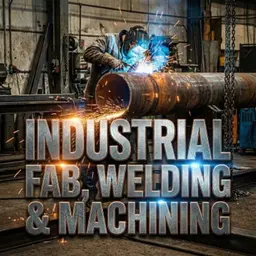
The structural integrity of oilfield extraction trees, heavy mining crushers, and material recycling shredders relies on code-compliant industrial welding. In high-pressure and highly abrasive environments, standard general welding methods are not enough. On this episode of Industrial Fab, Welding & Machining, the heavy structural cell at LTJ Industrial Services looks closely at advanced metal fabrication. We explain why digital CAD layouts protect raw materials from waste, break down the specific physics behind different welding methods, and outline how strict material tracking ensures safety across regulated industries.
Key Episode Highlights
Click here to read more
Learn more about LTJ Industrial Services at www.ltjindustrial.com/
Key Episode Highlights
- The Reality of Automated Structural Vetting: Moving from conceptual engineering sketches straight to the welding floor often causes fitment issues and alignment errors. Using detailed 3D CAD modeling allows teams to map out exact physical joints before making a single cut. This upfront digital design lets fabricators check weld access points, account for metal shrinkage from heat, and reduce material waste.Matching Welding Methods to Field Stress: Selecting the right welding method requires a deep understanding of structural forces and field conditions. While Shielded Metal Arc Welding (SMAW/Stick) is excellent for outdoor field repairs in windy conditions, precise piping layouts demand Gas Tungsten Arc Welding (GTAW/TIG) to keep roots free of slag. For high-volume shop assemblies, Flux-Cored Arc Welding (FCAW) delivers deep penetration into thick steel plates.The Absolute Necessity of Joint Traceability: In highly regulated industries like oil and gas processing, a single faulty joint can cause major environmental and financial damage. Elite fabrication centers prevent these issues by using strict quality assurance programs that track every step of production. This process provides a clear history for every component, linking each weld to specific mill test reports, filler metal batch numbers, and the AWS credentials of the welder who performed the work.
- Gas Tungsten Arc Welding (GTAW / TIG)
- Core Materials: Aerospace alloys, high-purity stainless piping, and specialized chrome-moly pressure tubes.Operational Leverage: Delivers precise heat control and completely clean welds, making it ideal for tight-tolerance joints where slag cannot be tolerated.
- Core Materials: Heavy structural carbon steel beams, thick equipment plates, and earthmover bucket frames.Operational Leverage: Provides deep weld penetration and high deposition rates, allowing teams to build solid joints on thick metal quickly.
- Core Materials: Remote pipeline networks, outdoor structural mining frames, and field storage tanks.Operational Leverage: Highly portable setup that requires no external shielding gas, making it the top choice for structural welding in windy or remote outdoor conditions.
- Advanced Shop Fabrication Loops
- Systems & Capabilities: Multi-axis CNC milling machines, automated orbital welding systems, climate-controlled heavy production bays, and non-destructive ultrasonic testing.Production Target: Manufacturing high-tolerance replacement parts, custom manifolds, and heavy structural frames under ideal, monitored shop conditions.
- Systems & Capabilities: Custom 4x4 rig trucks carrying heavy-duty engine-driven welding generators, portable line-boring sets, and carbon-arc gouging tools.Production Target: Repairing worn conveyor setups, patching cracked chutes on aggregate screens, and executing emergency field modifications directly at remote extraction sites.
Click here to read more
Learn more about LTJ Industrial Services at www.ltjindustrial.com/