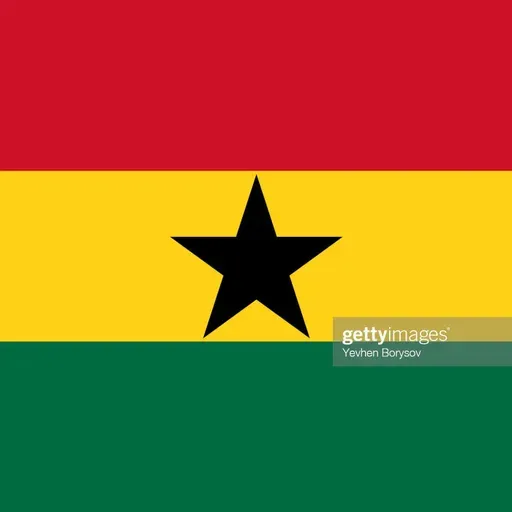
Ghana / Afrika in Focus Special: The Gravest Crime: Ghana, the UN, and the Future of Reparations
Ghana / Afrika in Focus
Send us Fan Mail
In March 2026, Ghana reshaped global history by leading a landmark United Nations resolution that formally recognised the transatlantic trafficking and racialised chattel enslavement of Africans as “the gravest crime against humanity.” This was more than symbolic language — it was a political, legal, and moral rupture in the world’s understanding of African suffering and its ongoing consequences. With 123 nations voting in favour, the resolution forces the international community to confront the scale, duration, brutality, and structural legacy of a crime that built the modern world.
For Africans and the global diaspora, the resolution carries profound meaning. It validates the truth our ancestors lived and died through: they were not “labour,” not “property,” not “participants in trade,” but victims of a world‑shaping crime whose aftershocks still define global inequality, racial hierarchies, and economic power. For the living, it reframes contemporary anti‑Blackness, poverty, and global marginalisation as the direct outcomes of a criminal system — not cultural failure or coincidence.
Yet the vote also exposed the geopolitical fault lines around reparatory justice. Three nations — the United States, Israel, and Argentina — voted against the resolution, citing concerns about legal implications, financial liability, and the creation of a “hierarchy of atrocities.” Their objections reveal a deeper fear: that acknowledging the crime’s gravity strengthens claims for compensation, institutional reform, and structural redress.
Meanwhile, the UK and the entire European bloc abstained — a diplomatic way of rejecting the resolution without openly opposing it. These states argued against ranking historical crimes, but their abstention reflects a clear motive: Europe’s wealth, institutions, and global power were built on slavery and colonial extraction. Endorsing the resolution would undermine long‑standing legal and political strategies used to avoid responsibility.
For the global reparations movement, this moment is a turning point. The resolution does not deliver automatic compensation, but it provides unprecedented moral and political leverage. It strengthens CARICOM’s reparations agenda, the African Union’s unified framework, and grassroots demands for restitution, debt cancellation, and institutional accountability. Ghana has opened a historic door — and the future now depends on whether Africans worldwide organise, unify, and push the movement into its next phase.
Sources:
How Argentina Erased Its Black People From History
UN Admits the Truth After 400 Years — Ghana
Support the show
Donate/Support the show: https://www.buzzsprout.com/1793098/support
We offer a consultation session for those who wish to relocate to Ghana , do business in Ghana , buy land, buying a property or even starting business in Ghana. We offer professional support tailored on your needs and wants.
We provide valuable information that can assist you in your relocation like the Ghana card how/where to register your business.
We can also signpost you to other agencies that can help in your relocation as well as business and investment opportunities.
We charge a rate of US$30 for an hour's consultation or US$20 for a 30 minute consultation briefing.
To book your consultation please email ahodwo805@gmail.com
Subscribe on Youtube - just look for the Ghana/Afrika in Focus podcast on Youtube and click the notification bell so that every time I upload a new podcast it automatically comes to your feed.
Tell your family and friends.