21 March 2026
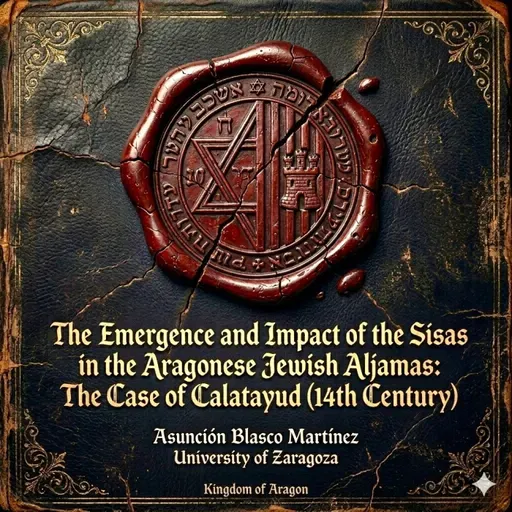
The appearance and impact of excise taxes in the jewish aljamas of Aragón the case of Calatayud (14th century)
Desde Calatayud Voces de Sefarad
About
The appearance and impact of excise taxes in the jewish aljamas of Aragón the case of Calatayud (14th century)
1. Direct Taxes: The "Peyta" The royal demands for funding wars and privileges were initially met through the peyta, a direct tax based on the wealth and income of each Jewish taxpayer. This system caused social tension due to the collection methods, with the wealthy preferring expert assessment and the lower classes preferring sworn personal declarations. Tensions were exacerbated by the existence of "francos", elite families like the Constantiní and Abentilca who were exempt from paying these taxes.
2. The Introduction of Indirect Taxes ("Sisas") Around 1320, to cope with massive debts and the Crown's financial demands, the Aragonese aljamas requested permission from King James II to introduce sisas. These were indirect taxes, similar to a modern VAT, levied on food, manufactured goods, and commercial transactions. Wealthy Jews accepted the sisa as a lesser evil, but Christians fiercely opposed it, fearing price increases and the potential spread of this tax model to their own municipalities.
3. The 1322 Ordinances in Calatayud In 1322, the Calatayud aljama was authorized to impose sisas for a period of 14 months. The highly detailed tax system applied to:
Food: Bread, fish, oil, grapes, and legumes, with special attention given to kosher meat and wine.
Goods and Services: Clothing, shoes, firewood, and jewelry, with reduced rates for items intended for bridal dowries.
Finances: Real estate sales and loans, requiring creditors to declare their operations every two weeks.
Christians and Moors were strictly exempt from the tax. To prevent fraud, the community established heavy fines and the threat of excommunication (nidduy). However, Christian pressure led to the revocation of these ordinances in 1323.
4. Consolidation: Focusing on Wine and Meat In the following decades, marked by wars and the Black Death, sisas were temporarily reinstated by monarchs like Alfonso IV and Peter IV. To avoid arousing Christian anger, the tax was eventually restricted almost entirely to kosher wine and meat. These products were essential for Jewish daily life and religious festivals, and their mandatory religious supervision (kašrut) made them easier to control and tax.
5. Leasing the Sisa: The 1356 Agreement To obtain quick cash, the aljama began auctioning the tax collection to private individuals. A key 1356 agreement shows the aljama leasing the sisa on wine and meat to a private citizen, Martín Gil don Franco, for 8,500 sueldos.
Wine: It was strictly controlled, with higher taxes for wine intended for sale than for personal consumption. The tax collector could inspect cellars, measure barrels, and punish clandestine sales.
Meat: Taxes were levied by weight on permitted animals (sheep, goats, cows). The agreement also regulated the sale of meat rejected by Jews (such as the hindquarters) to Christians at lower prices, which was especially tolerated during the Christian Lent.
6. Conclusion Despite multiple difficulties and resistance, by the end of the 14th century, the indirect tax system (sisas) was fully established as the economic and fiscal pillar of the Calatayud Jewish community. It provided the necessary liquidity to survive the Crown's suffocating financial pressure and eventually forced the previously exempt "francos" to contribute to the community's tax burden.
¿Te gustaría que profundizara en las medidas que tomaban para evitar el fraude fiscal o en las reglas específicas sobre los préstamos?
Sobre artículo de ASUNCIÓN BLASCO MARTÍNEZ
UNIVERSITY OF ZARAGOZA
1. Direct Taxes: The "Peyta" The royal demands for funding wars and privileges were initially met through the peyta, a direct tax based on the wealth and income of each Jewish taxpayer. This system caused social tension due to the collection methods, with the wealthy preferring expert assessment and the lower classes preferring sworn personal declarations. Tensions were exacerbated by the existence of "francos", elite families like the Constantiní and Abentilca who were exempt from paying these taxes.
2. The Introduction of Indirect Taxes ("Sisas") Around 1320, to cope with massive debts and the Crown's financial demands, the Aragonese aljamas requested permission from King James II to introduce sisas. These were indirect taxes, similar to a modern VAT, levied on food, manufactured goods, and commercial transactions. Wealthy Jews accepted the sisa as a lesser evil, but Christians fiercely opposed it, fearing price increases and the potential spread of this tax model to their own municipalities.
3. The 1322 Ordinances in Calatayud In 1322, the Calatayud aljama was authorized to impose sisas for a period of 14 months. The highly detailed tax system applied to:
Food: Bread, fish, oil, grapes, and legumes, with special attention given to kosher meat and wine.
Goods and Services: Clothing, shoes, firewood, and jewelry, with reduced rates for items intended for bridal dowries.
Finances: Real estate sales and loans, requiring creditors to declare their operations every two weeks.
Christians and Moors were strictly exempt from the tax. To prevent fraud, the community established heavy fines and the threat of excommunication (nidduy). However, Christian pressure led to the revocation of these ordinances in 1323.
4. Consolidation: Focusing on Wine and Meat In the following decades, marked by wars and the Black Death, sisas were temporarily reinstated by monarchs like Alfonso IV and Peter IV. To avoid arousing Christian anger, the tax was eventually restricted almost entirely to kosher wine and meat. These products were essential for Jewish daily life and religious festivals, and their mandatory religious supervision (kašrut) made them easier to control and tax.
5. Leasing the Sisa: The 1356 Agreement To obtain quick cash, the aljama began auctioning the tax collection to private individuals. A key 1356 agreement shows the aljama leasing the sisa on wine and meat to a private citizen, Martín Gil don Franco, for 8,500 sueldos.
Wine: It was strictly controlled, with higher taxes for wine intended for sale than for personal consumption. The tax collector could inspect cellars, measure barrels, and punish clandestine sales.
Meat: Taxes were levied by weight on permitted animals (sheep, goats, cows). The agreement also regulated the sale of meat rejected by Jews (such as the hindquarters) to Christians at lower prices, which was especially tolerated during the Christian Lent.
6. Conclusion Despite multiple difficulties and resistance, by the end of the 14th century, the indirect tax system (sisas) was fully established as the economic and fiscal pillar of the Calatayud Jewish community. It provided the necessary liquidity to survive the Crown's suffocating financial pressure and eventually forced the previously exempt "francos" to contribute to the community's tax burden.
¿Te gustaría que profundizara en las medidas que tomaban para evitar el fraude fiscal o en las reglas específicas sobre los préstamos?
Sobre artículo de ASUNCIÓN BLASCO MARTÍNEZ
UNIVERSITY OF ZARAGOZA