18 April 2026
Canada Travel Safety 2026 Level 1 Advisory Tips for American Visitors Planning Spring Break
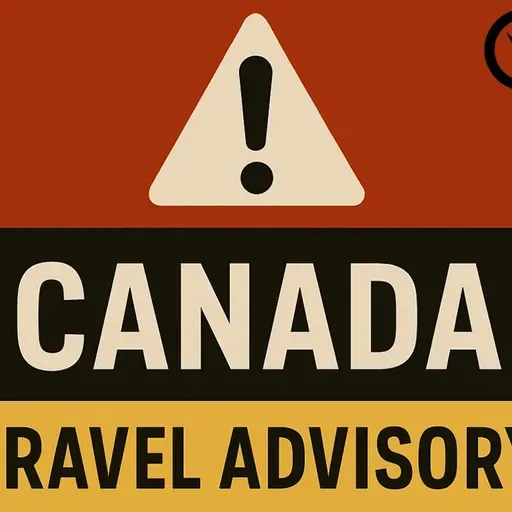
Canada Travel Advisory
About
The U.S. Department of State currently rates Canada at Level 1: Exercise Normal Precautions in its Travel Advisory, indicating it's among the safest destinations for American listeners planning a trip north of the border. This lowest-level advisory, last updated in early 2026 alongside entries for places like Hungary and Bermuda, reflects no major threats from crime, terrorism, or civil unrest across Canada's vast provinces from British Columbia's coast to Nova Scotia's shores. U.S. Department of State travel advisories confirm this status, urging only standard vigilance like securing valuables and avoiding isolated areas at night, much like everyday precautions in any major U.S. city.
Listeners eyeing iconic spots such as Toronto's CN Tower, Vancouver's seawall, or Banff's turquoise lakes can proceed with confidence, but recent global ripples demand smart planning. A Worldwide Caution alert from the U.S. Department of State on March 22, 2026, advises all Americans abroad to exercise increased caution due to potential threats from groups supportive of Iran targeting U.S. interests worldwide, including diplomatic facilities outside the Middle East—periodic airspace closures could snag transatlantic flights en route to Canada, so monitor airline updates closely. While Canada itself faces no specific escalations, spring break travelers in 2026 should note broader disruptions like those highlighted in Legal Examiner reports on partial U.S. government shutdowns and Middle East tensions affecting international routes, with airlines rerouting to dodge risky airspace near Iran, potentially lengthening flights from U.S. hubs to Canadian gateways.
Travel and Tour World emphasizes that U.S. listeners must verify passports, visas, and contingency plans before any 2026 international jaunt, as evolving global risks amplify small oversights into big headaches—Canada requires electronic Travel Authorization for visa-exempt visitors, so apply early via official channels. Recent news adds practical layers: Luxury Web Magazine on April 15, 2026, flags surging U.S. airline baggage fees up $10 amid fuel spikes from Iran-related conflicts, so prepay online to dodge airport surcharges on your Rocky Mountain getaway gear. A Booking.com hack exposed user data, prompting warnings to reset passwords and enable two-factor authentication if you've booked Canadian stays there, as phishing scams via WhatsApp are spiking.
For urban explorers in Montreal or Quebec City, petty theft in tourist zones mirrors big-city norms, per State Department guidance—stick to well-lit paths, use ride-shares like Uber over hailing cabs, and enroll in the Smart Traveler Enrollment Program for real-time embassy alerts. Nature lovers hiking Alberta's trails or whale-watching in Newfoundland should pack bear spray, check avalanche forecasts via Parks Canada, and respect wildlife distances, especially as climate shifts bring unpredictable weather. Amid these, Canada's robust healthcare system shines, but U.S. travel insurance covering medical evacuations is wise, given border wait times that can stretch hours.
Bottom line for listeners: Canada remains a beacon of stability in 2026's turbulent travel landscape—pair the Level 1 green light with vigilant habits, flexible bookings, and fresh document checks to unlock seamless adventures from Niagara Falls' roar to the Northern Lights' dance. Stay informed via official State Department pages and local Canadian advisories for the latest on any fleeting events, ensuring your trip unfolds as memorably as the landscapes themselves.
This content was created in partnership and with the help of Artificial Intelligence AI
Listeners eyeing iconic spots such as Toronto's CN Tower, Vancouver's seawall, or Banff's turquoise lakes can proceed with confidence, but recent global ripples demand smart planning. A Worldwide Caution alert from the U.S. Department of State on March 22, 2026, advises all Americans abroad to exercise increased caution due to potential threats from groups supportive of Iran targeting U.S. interests worldwide, including diplomatic facilities outside the Middle East—periodic airspace closures could snag transatlantic flights en route to Canada, so monitor airline updates closely. While Canada itself faces no specific escalations, spring break travelers in 2026 should note broader disruptions like those highlighted in Legal Examiner reports on partial U.S. government shutdowns and Middle East tensions affecting international routes, with airlines rerouting to dodge risky airspace near Iran, potentially lengthening flights from U.S. hubs to Canadian gateways.
Travel and Tour World emphasizes that U.S. listeners must verify passports, visas, and contingency plans before any 2026 international jaunt, as evolving global risks amplify small oversights into big headaches—Canada requires electronic Travel Authorization for visa-exempt visitors, so apply early via official channels. Recent news adds practical layers: Luxury Web Magazine on April 15, 2026, flags surging U.S. airline baggage fees up $10 amid fuel spikes from Iran-related conflicts, so prepay online to dodge airport surcharges on your Rocky Mountain getaway gear. A Booking.com hack exposed user data, prompting warnings to reset passwords and enable two-factor authentication if you've booked Canadian stays there, as phishing scams via WhatsApp are spiking.
For urban explorers in Montreal or Quebec City, petty theft in tourist zones mirrors big-city norms, per State Department guidance—stick to well-lit paths, use ride-shares like Uber over hailing cabs, and enroll in the Smart Traveler Enrollment Program for real-time embassy alerts. Nature lovers hiking Alberta's trails or whale-watching in Newfoundland should pack bear spray, check avalanche forecasts via Parks Canada, and respect wildlife distances, especially as climate shifts bring unpredictable weather. Amid these, Canada's robust healthcare system shines, but U.S. travel insurance covering medical evacuations is wise, given border wait times that can stretch hours.
Bottom line for listeners: Canada remains a beacon of stability in 2026's turbulent travel landscape—pair the Level 1 green light with vigilant habits, flexible bookings, and fresh document checks to unlock seamless adventures from Niagara Falls' roar to the Northern Lights' dance. Stay informed via official State Department pages and local Canadian advisories for the latest on any fleeting events, ensuring your trip unfolds as memorably as the landscapes themselves.
This content was created in partnership and with the help of Artificial Intelligence AI