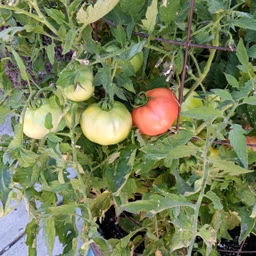
Blossom end rot is generally considered the most common tomato problem for backyard gardeners in the US. It causes a dark, sunken, leathery spot on the bottom of the fruit, and it’s usually caused by inconsistent watering (not actually a soil calcium deficiency in most cases) that disrupts calcium uptake in the plant.
For those of you at home keeping score, close runners-up are early blight and septoria leaf spot, both fungal diseases that cause yellowing and spotted leaves, especially in humid climates.
The big difference between blossom end rot and all those runner-up problems? Blossom end rot is an abiotic disorder, not something you can blame on a disease or an insect (“Abiotic disorder” is plant nerd talk for “it’s the gardener’s fault”).
This is a public episode. If you'd like to discuss this with other subscribers or get access to bonus episodes, visit gardenbasics.substack.com/subscribe