How Do Radio Stations Make Money in 2026? A Practical Guide for Traditional & Internet Radio
Whether you run a community FM station or a one-person internet radio station from your bedroom, there’s one question that keeps coming back: how do radio stations make money – and how can yours earn enough to stay on the air? This guide breaks down every realistic revenue stream available in 2026, organized into three clear categories so you can start building a plan that actually fits your station.
How radio stations make money today: quick overview
Radio stations make money through three main categories of income. The first is audience-supported revenue – money coming directly from listeners through donations, memberships, and merchandise. The second is externally-funded revenue from brands, advertisers, sponsors, and grants. The third is station-as-a-business revenue, where you sell services, host events, or turn your content into on-demand products like podcasts.
Successful radio stations diversify revenue across multiple streams rather than depending on a single source. That’s the core shift from decades past. In the 1990s, a midsize FM station might have earned 80–95% of its income from local 30-second ad spots. In 2026, a thriving internet radio station is more likely combining listener memberships, show sponsorships, live broadcasts paired with ticketed events, and branded merchandise – all at once.
This article is written for station owners, program directors, and independent broadcasters who want to generate income sustainably. If you’re looking for a platform to host, automate, and monetize your station, Zeno.fm offers streaming, AutoDJ scheduling, audio advertising tools, and the ability to turn live shows into podcasts – all from one place.
Why ad revenue alone no longer keeps most radio stations afloat
Ad revenue depends on three things: CPM (cost per thousand impressions), listener numbers, and dayparts. A breakfast drive slot fetches top rates; an overnight show might earn 10–20% of that. For small or niche stations, the math simply doesn’t work.
Here’s a real example. Say your station has 5,000 monthly unique listeners and you’re earning a $5–$10 CPM typical of general online audio. If you air ten ad spots per month, each reaching about 1,000 impressions, your total revenue lands between $250 and $500. That rarely covers hosting costs, licensing fees, and equipment – let alone paying anyone for their time.
On top of that, many independent internet radio stations brand themselves as “ad-free” or “minimal ads.” Loading up on commercial breaks risks alienating the community that makes your station special.
Then there’s the licensing catch-22: some terrestrial non commercial stations in the US, UK, and EU operate under licenses that actually prohibit standard commercial advertising. They face real costs but can’t sell traditional ads. Broadcasting online – for instance, with Zeno.fm – removes many of those restrictions and lets radio stations owners mix income streams more freely.
The takeaway: sustainable stations in 2026 diversify income across multiple methods rather than chasing more and more ad slots.
Audience-supported income: turning listeners into paying supporters
Audience-supported income means money flowing directly from your listeners – not from brands or institutions. This category includes donations and tip jars, premium subscriptions, crowdfunding campaigns, branded merchandise, and community “subs” where radio hosts pay a modest fee for their airtime slot.
Even very small stations can start here from day one. You don’t need thousands of listeners or complex contracts. What you do need is a clear identity and genuine trust between hosts and community. A station built around underground electronic music, local news, or jazz classics naturally attracts people who care enough to support it.
“If you have 100 true fans each contributing a few dollars, you already have a real revenue stream.”
Tools like Zeno.fm’s public station page, embeddable players, and custom radio mobile app options make it easier to drive listeners toward donation and membership links without friction.
Donations, tip jars, and crowdfunding campaigns
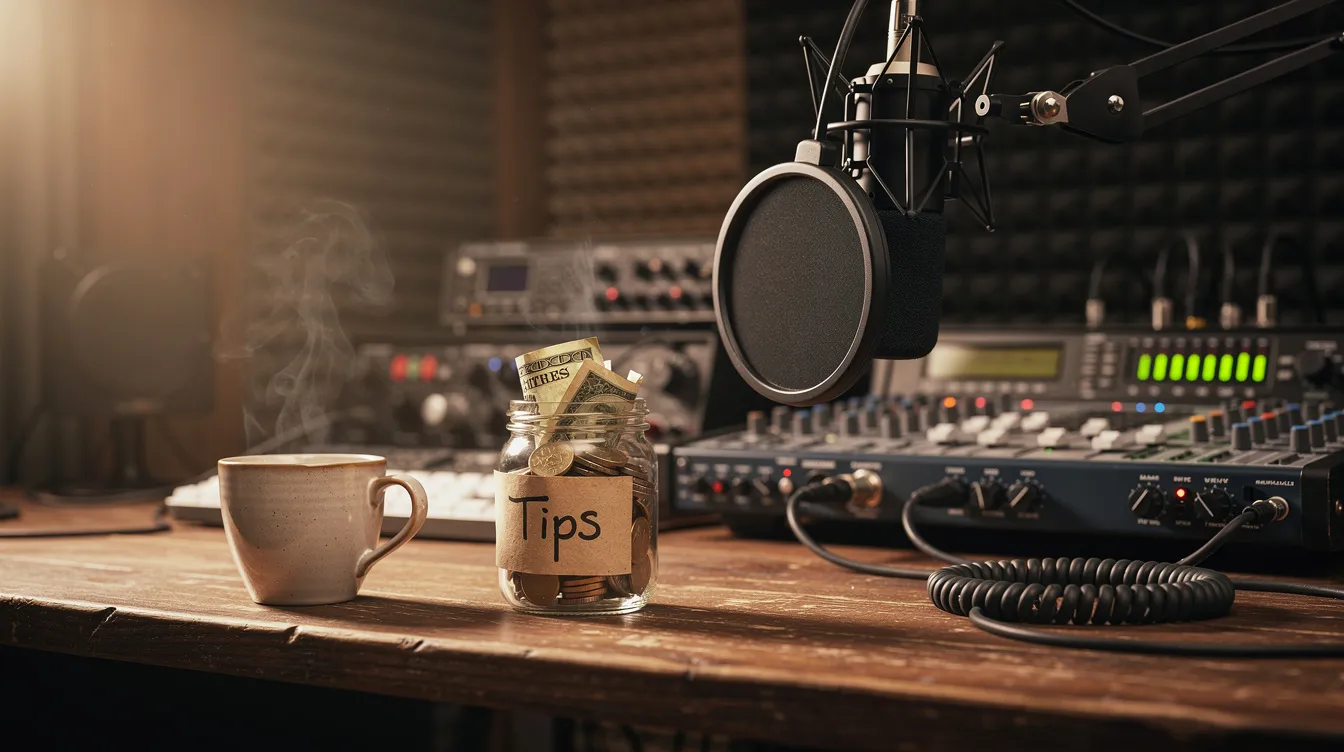
Start simple: add a prominent “Support Us” button on your station website or Zeno.fm profile, linking to PayPal, Stripe, Buy Me a Coffee, or Ko-Fi for one-off and recurring micro-donations. Make it easy for your most loyal listeners to contribute with a single click.
On air, mention support appeals briefly and genuinely – at the end of shows or during natural conversation. Keep it optional, never guilt-driven.
Crowdfunding campaigns can help radio stations raise funds for specific projects. Crowdfunding became mainstream with Kickstarter and Indiegogo in the late 2000s, and platforms like GoFundMe and Kickstarter remain popular for crowdfunding in 2026. A realistic 30-day campaign might target $3,000–$10,000 for a studio upgrade, remote broadcast kit, or a year of licensing fees.
Crowdfunding works best with a clear, share-worthy project story. Tell listeners exactly where the money goes – new microphones, royalty payments, a remote broadcast setup. Offering rewards for donations can increase crowdfunding success: think on-air shoutouts, names on a “founders” page, exclusive mixes, or “co-host for a day” experiences.
Transparency builds trust. Publish updates during the campaign and report back afterward. Track which shows or dayparts produce spikes in donations – that data helps you understand which hosts and time slots convert best.
Premium subscriptions & memberships (Patreon, Ko‑Fi, and station-hosted tiers)
Premium subscriptions can provide consistent revenue for radio stations by turning casual listeners into paying members with predictable monthly contributions. The core stream stays free – perks are the “nice-to-haves” that reward loyalty.
Common platforms include Patreon, Ko-Fi memberships, and member areas on your website. Zeno.fm complements these with automation tools and private streams for exclusive content.
A simple 3-tier model for 2026 might look like this:
| Tier | Price | Perks |
|---|---|---|
| Supporter | $3/month | Thank-you credit, behind-the-scenes newsletter |
| Superfan | $9/month | Ad-free stream, early access to new shows as podcasts, merch discount |
| Backstage | $25/month | Exclusive DJ sets, priority shoutout requests, private community group, welcome pack |
Market memberships through automated emails and on-air mentions with a clear signup URL. Start with one or two perks, deliver them reliably, and add benefits gradually as your base of loyal listeners grows. Avoid perk overload – under-promise and over-deliver.
Branded merchandise and physical products
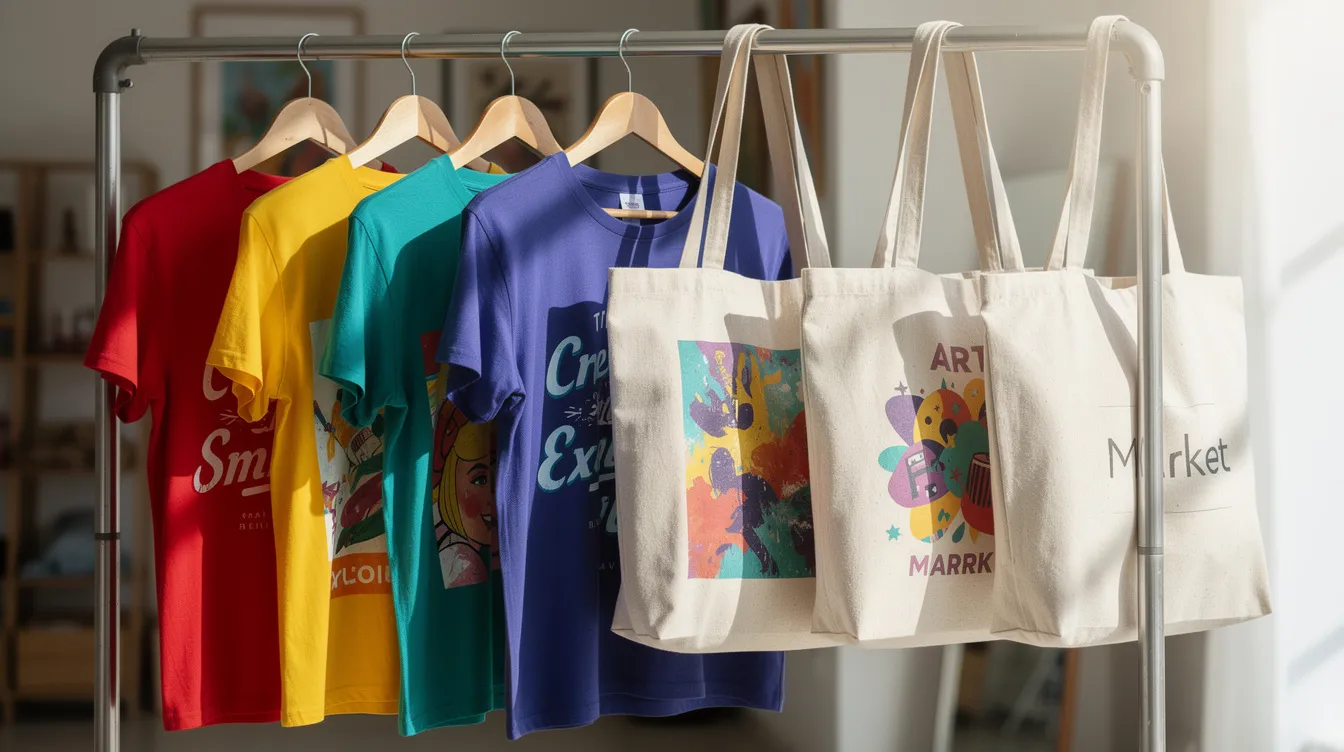
Merchandise sales can enhance brand identity and generate revenue simultaneously. Print-on-demand eliminates merchandise overhead costs, so you can sell t shirts, hoodies, tote bags, mugs, and stickers without holding inventory.
Don’t just slap a logo on a shirt. Design items with show catchphrases, inside jokes from your programs, local landmarks, or artwork from featured artists. Collaborating with brands can create fashionable merchandise that listeners actually want to wear. Branded merchandise helps spread awareness of your station every time someone wears it in public.
Seasonal merchandise can create urgency and exclusivity – think a “Spring 2026 collection” or a 5th-anniversary drop. Merchandise margins can range from 30% to 60% per item depending on your markup and product type.
Promote merch on air with quick mentions and host testimonials. Sell at events and pop-up tables. Bundle merch with event tickets or higher-tier memberships. Zeno.fm’s public pages and custom app, backed by professional streaming plans for broadcasters, can link directly to your online store, letting internet radio listeners buy while they tune in.
Community “subs”: charging hosts and DJs for their slot
Some community stations and internet radio stations generate income by charging hosts or DJs a modest fee to cover station running costs. This isn’t exploitative when done transparently – it’s a shared-responsibility model where regular contributors help keep the station running.
Realistic 2026 pricing: $25–$40/month for a weekly show in an off-peak slot, $60–$120/month for a prime time weekly show. In return, hosts receive guaranteed airtime (live or via AutoDJ scheduling), technical support, promotion on station socials, and inclusion in podcast archives.
Offer discounted or free slots for youth projects, community programs, or underrepresented voices to keep your mission front and center. Use simple contracts so both station owners and hosts are aligned on expectations, payments, and cancellation terms. And resist the temptation to oversell slots – if content quality drops, your listeners leave, and the whole model breaks down.
Externally-funded income: ads, sponsorships, and grants
Externally-funded income comes from businesses, brands, institutions, and ad networks rather than directly from listeners. Radio stations can earn revenue through advertising and sponsorships, along with underwriting and grants from foundations or cultural bodies.
These methods generally scale with audience size and data quality. The more accurate your listener analytics, the easier it is to price and sell these opportunities. Internet radio can work with businesses of all sizes, from a local coffee shop to a national brand. Platforms like Zeno.fm’s global radio streaming platform provide monetization tools and analytics that simplify running audio ads and reporting impressions. Think of this as your second layer of revenue – best combined with audience-supported income rather than used alone.
Audio advertising, sponsorships & underwriting: pricing and structure
CPM stands for cost per thousand impressions – the standard way advertisers price audio ads. For small internet radio, expect $5–$15 CPM; niche or highly engaged audiences can push higher. Rates for radio ads depend on audience size and demographics, and local targeting allows radio to effectively reach specific audiences that bigger platforms can’t.
Traditional radio ads are often sold in 15- to 60-second spots. Stations bundle by show, by daypart (breakfast drive, lunchtime, evenings), or by number of plays. Radio advertising often requires lower production costs than television, making it accessible for small local businesses.
Companies sponsor specific segments like weather and traffic reports. Sponsorships can include shoutouts and ad placements – “This hour brought to you by…” or naming rights for a weekly show. Title sponsorships can range from $50 to $500 per show depending on reach. Digital advertising includes website ads (like banner ads or google adsense) and audio ads on streams. Branded content is becoming a cornerstone of station revenue as advertisers look for deeper integration.
For non commercial stations, underwriting uses a “made possible by…” format with no prices or calls to action. Typical rates range from $50–$500/month depending on reach and audience demographics.
Small stations should start with simple flat monthly sponsorships for one or two shows. Build a media kit showing listener locations, peak hours, and device breakdown to justify your pricing and attract more listeners to advertiser attention.
Host‑read integrations and programmatic ads
There are two distinct models here. Programmatic audio ads are automated – an ad network inserts targeted spots based on listener geography or device, paying per impression. Radio stations can sell pre-roll, mid-roll, and post-roll ads through these systems. Programmatic works best for stations with large, consistent audiences; smaller stations may see low fill rates and modest returns.
Host-read integrations are the opposite: a presenter personally recommends a product or service, much like podcast advertising. Podcast-style host-read CPMs often run $15–$30 for mid-roll placements – significantly higher than generic programmatic spots – because they rely on host-listener trust.
Best practices: only endorse products the host has genuinely tried, clearly label segments as sponsored, and avoid interrupting emotional content with a hard sell. Affiliate marketing earns commissions for promoting products or services alongside these reads. Track performance with promo codes, vanity URLs, or click throughs to show sponsors real results.
Zeno.fm’s automation and scheduling tools can help combine pre-produced ad blocks with live host reads so the listening experience stays natural.
Grants, public funding & institutional support
Public radio gets funding through listener contributions and grants – and this model extends to community stations of all sizes. Funding sources include local arts councils, cultural foundations, municipal budgets, national media funds, university partnerships, and philanthropy focused on media literacy or local journalism.
Grants are usually project-based: a 12-month youth training program, a local election coverage series, or an oral-history documentary project. Practical 2026 ideas include climate-focused talk shows, bilingual community news hours, local business recovery stories, or music education programs for teenagers.
To win a grant, align your station’s mission with a funder’s goals. Write a clear proposal with measurable outcomes and budgets. Good analytics and archives – live shows turned into podcasts, listener stats, site traffic – help demonstrate impact and strengthen applications.
Combine grant funding with memberships and sponsorships. Grants provide valuable financial support but rarely cover all operating costs, and they can end abruptly. Don’t let them become your only lifeline.
Station-as-a-business income: services, events & on‑demand content
Think of your station not just as a broadcast outlet, but as a creative audio business. Selling audio production services can generate additional income for stations. You can rent studio time, host live events, offer consulting, and repackage shows as on-demand podcasts and series. Syndication involves licensing shows to other stations, opening yet another door.
This category often generates higher-margin revenue because it leverages existing expertise – music production, storytelling, curation – rather than just selling listener attention. Zeno.fm’s tools for recording, scheduling, and podcast automation make it easier to reuse content and serve both live and on-demand audiences. This path is especially powerful for experienced broadcasters, engineers, and producers who can offer consulting or white-label services.
Production services, studio rental & consulting
If you have a decent studio setup, you have something to sell. Service ideas include:
- Producing podcasts for local companies
- Editing audio for creators and artists
- Mixing and mastering DJ sets
- Creating jingles and station IDs
- Voiceover recording for videos, ads, or training materials
Studio rental rates in 2026 typically run $30–$80/hour depending on equipment quality and location. Offer hourly bookings for bands, podcasters, and other radio hosts who need professional space.
Consulting and coaching is another natural fit. New broadcasters want help choosing equipment, designing schedules, and configuring streaming on platforms like Zeno.fm. Package these as fixed-price offers – “Launch Your Podcast” or “Station Setup in 30 Days” – to make it easy for clients to sign up and pay.
Build a simple portfolio page on your website with audio samples and short case studies. These services don’t require large listener numbers – they rely on professional skills and reputation.
Events, live broadcasts & ticketed audio experiences
Live events generate revenue through ticket sales and sponsorships while bringing your community together in ways a stream alone can’t. Hosting live events can increase listener engagement, and events can create a community around the radio station that lasts well beyond the broadcast.
Physical event ideas: club nights featuring station DJs, community meetups, live talk shows in local venues, workshops on DJing or audio production, and partnered festivals. Virtual events allow global listener participation and ticket sales – think online listening parties, album launch streams with artist Q&A, or pay-what-you-want special broadcasts.
Realistic 2026 ticket pricing: $5–$15 for small online events, $10–$30 for local in-person shows, higher for premium workshops. Different ticket tiers can maximize revenue from events – a general admission plus a VIP tier with a meet-and-greet, for example.
Combining broadcasts with events enhances listener turnout. Stack revenue streams around a single event: ticket sales, event sponsorships, merch tables, live crowdfunding, and recorded content later released as podcasts. Zeno Streaming’s online radio platform handles live broadcasts from events via remote streaming and can host edited recordings as a podcast series for long-term profit.

From live show to podcast: extending your station’s earning power
Turning recurring shows into on-demand podcasts lets a radio station reach new audiences and unlock extra monetization. Record your live shows, lightly edit for intros and outros, handle any music licensing considerations, and publish as podcast episodes on major platforms. Zeno.fm’s podcast automation simplifies this workflow, especially when paired with proven strategies to grow your online radio audience.
Monetization options specific to podcasts: host-read ads inserted into the podcast version, sponsorships of entire seasons, premium subscriber-only episodes, and affiliate links in show notes. Radio stations can integrate affiliate links in show notes using networks like Amazon Associates, which is a popular affiliate network for radio stations. Affiliate revenue compounds slowly over time for radio stations, but it adds up. Note that disclosing affiliate relationships is required by the FTC.
Detailed show notes, timestamps, and blog posts around episodes attract search traffic and advertisers who care about long-tail topics. Plan segments with podcasting in mind – clear breaks for ad insertions, evergreen discussions that age well – so the same content works both live and on demand.
Use analytics across both the live stream and the podcast feed to track which topics, guests, and formats convert best into revenue. And remember: careful handling of music licensing is important when reusing music-heavy shows as on-demand content.
Costs, licensing & choosing the right mix of revenue streams
Making money is only half the picture. Station owners must also manage costs: streaming infrastructure, studio rent, equipment, staff or host stipends, marketing, and especially music licensing fees for copyrighted tracks. Anyone still in the planning phase should factor these into their budget when learning how to start an online radio station.
In many regions, stations pay performance and mechanical royalties to rights organizations when broadcasting music – regardless of whether the station is profitable. In the US, SoundExchange statutory rates for commercial webcasters run roughly $0.0025 per performance, with a minimum of $1,000 per channel annually. Add PRO fees (ASCAP, BMI), and total licensing for a small internet radio station often lands between $2,000–$3,500 per year.
Here’s a simple framework for choosing revenue streams based on station size:
| Station Size | Start With | Add Next |
|---|---|---|
| Hobby / small | Tip jars, memberships, merch | Crowdfunding, new shows for free content |
| Mid-size (few thousand regulars) | Sponsorships, direct ads, host subs | Events, production services |
| Larger | Programmatic ads, grant partnerships | On-demand content, consulting, watch for syndication |
| Track income by category and aim to avoid any single source exceeding 50–60% of total revenue. Revisit the mix every 6–12 months based on listener feedback, analytics, and what your team can realistically deliver. |
Bringing it all together: building a sustainable station with Zeno.fm
The most resilient radio stations in 2026 blend audience-supported income, external funding, and business-like services. No single revenue stream carries the whole weight. That’s what keeps a station running through slow ad months, grant cycles, and seasonal dips.
Take one practical step this week: add a donation link to your site, draft a sponsorship offer for your most popular show, or outline a paid event concept tied to content you’re already creating.
Zeno.fm gives you a practical foundation for all of this – hosting an internet radio station, automating playlists with AutoDJ, collecting listener analytics to sell sponsorships with confidence, activating audio advertising and monetization tools, and publishing your best content as on-demand podcasts. All from a single platform built for independent broadcasters, not media conglomerates.
Map out a simple 12-month revenue roadmap. Start with the easy audience-supported methods – a tip jar, a membership tier, a merch drop. Layer on sponsorships and production services as you grow and attract more listeners. Small, passionate stations can absolutely make money when they treat their radio as both a creative project and a serious business. The tools are here. The audience is waiting. Time to build.
July 13, 2026